 In this area
The Milan issue
Brera, Milan: the city’s art quarter with a cellar-side aperitivo habit
A walk through Brera’s cobbled lanes, where the Pinacoteca, old-world trattorie and wine-cellar evenings still give central Milan its most civilised pulse.

By Silvia BrambillaMilan by its showrooms and studios

Brera begins with a sound as much as a sight: café chairs scraping stone, a bell from San Marco, and the soft, self-important murmur of people who have decided they are in the right part of town. Ten minutes north of the Duomo, it feels less like a district than a well-kept argument between old bohemia and quiet money. The cobbles survive. The art academy still turns out painters. And somewhere between a 16th-century friars’ cellar and a florist-turned-bistro, a €6 glass of Franciacorta can still pass for a proper night out.
What Brera is known for
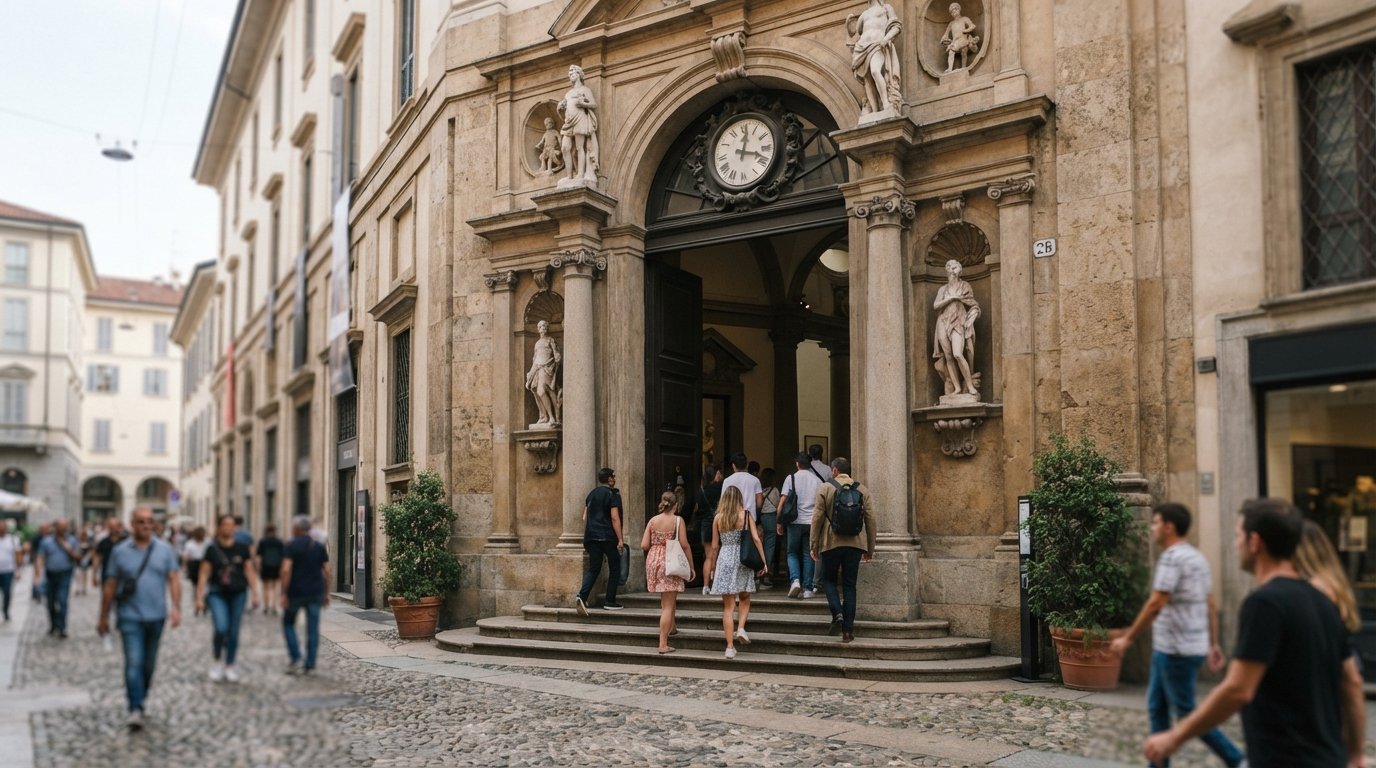
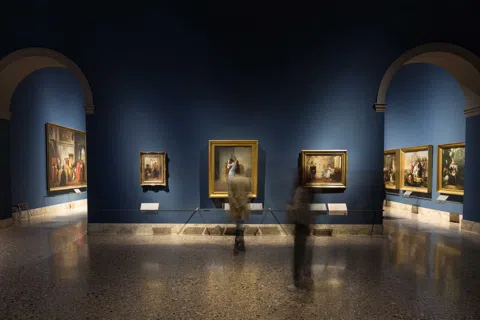
Brera is Milan’s art quarter, though that label barely covers the place. The anchor is the Pinacoteca di Brera on Via Brera 28, a gallery that gives the neighbourhood its spine and its manners. Inside are 36 rooms of Italian painting, including Raphael’s Marriage of the Virgin, Caravaggio’s Supper at Emmaus, Mantegna’s foreshortened Dead Christ and Hayez’s The Kiss. It is the kind of collection that reminds you Milan has always had a serious mind under the tailoring.
The Pinacoteca shares Palazzo Brera with the Accademia di Belle Arti and the Braidense national library, which explains why the courtyard still fills with students sketching, carrying portfolios and looking faintly underpaid in the way art students always have. The building is not a frozen monument; it is a working organism. That matters. Brera’s charm has never been that it embalms culture, but that it keeps producing it.
The biggest recent shift is the Grande Brera project. After more than fifty years of waiting, Palazzo Citterio finally opened in December 2024 a few doors down at Via Brera 12–14, bringing modern and contemporary work into the fold: Boccioni, Modigliani, Morandi and Picasso from the Jesi and Vitali collections. The building’s Brutalist underground level, designed by James Stirling, adds a harder edge to the otherwise courtly mood of the quarter. A combined Grande Brera ticket is about €20 and covers both the Pinacoteca and Palazzo Citterio on the same day and for the following six days; the Pinacoteca alone is €15 and closed Mondays.
That opening matters because it confirms what Brera has always been: not just a handsome backdrop, but a place where Milan arranges its cultural inheritance and then argues over the lighting. Beyond the museums, the name Brera has come to mean cobbled lanes, small commercial galleries, fortune-tellers on Via Fiori Chiari and the wisteria-draped courtyards that make photographers lose all restraint. It is polished, yes, and unashamedly expensive. But the old bones remain visible if you know where to look.
Plan your Milan trip
Live prices from our booking partners.
Guests & rooms
Free cancellation on many rooms. We may earn a commission when you book.
Where to eat & drink
Brera’s tables are where the neighbourhood shows its two faces at once: the old Milanese one, with its butter, rice and patience; and the newer one, with flowers, mirrors and a menu that knows exactly how much it can charge for the setting. The sensible strategy is to eat with one eye on the room and the other on the clock, because the good places fill.
Al Matarel, on the edge of the quarter at Corso Garibaldi 75, is one of the last truly traditional Milanese trattorias, going since 1962 and still serving cotoletta alla milanese, ossobuco with saffron risotto and cassoeula without reinterpretation. It is the sort of place that refuses to be improved for the benefit of a trend piece, which is precisely why it survives. Expect roughly €17 for a first course and €26 for a main.
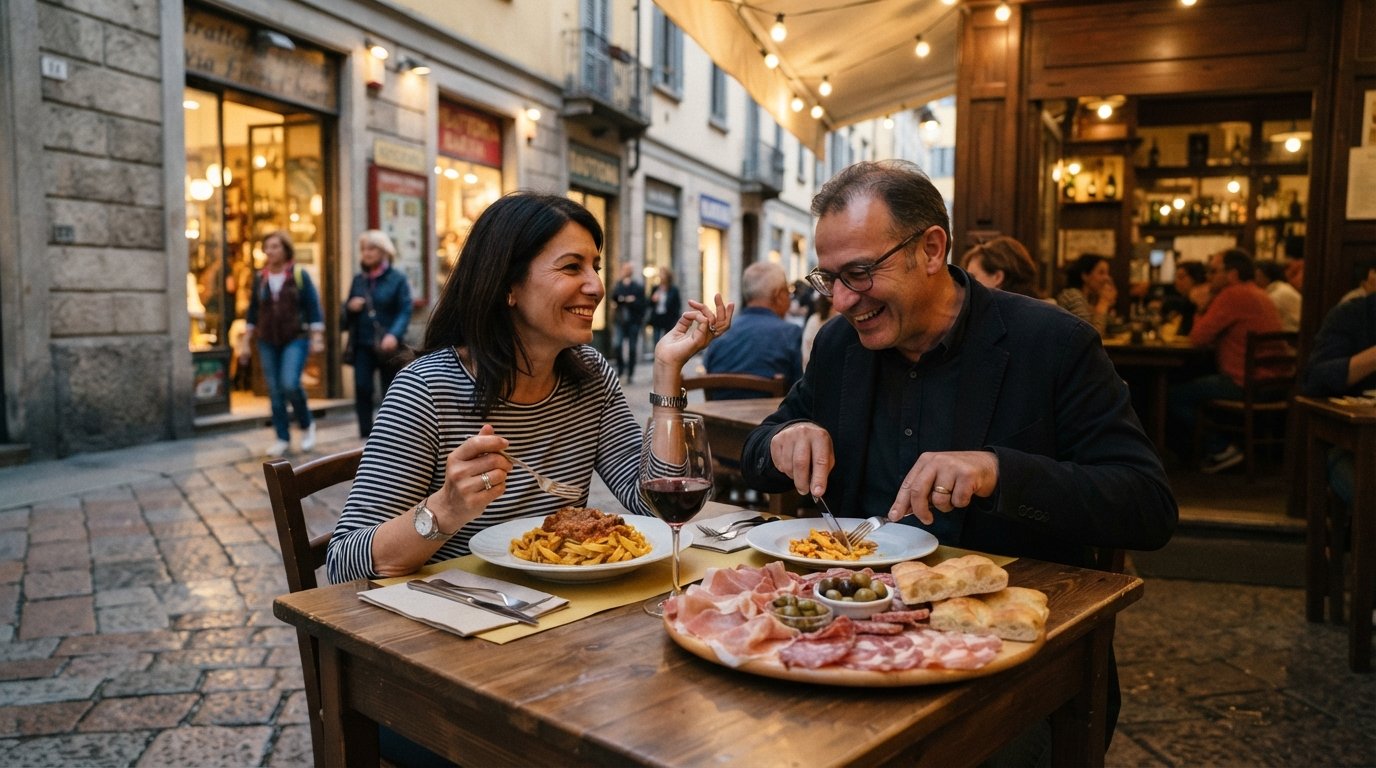
Trattoria Torre di Pisa at Via Fiori Chiari 21 has been doing Tuscan classics since 1959 behind its original 1960s shopfronts. The room has the reassuring stubbornness of somewhere that has not mistaken longevity for nostalgia. Think charcuterie, hand-cut pasta and grilled meats; reserve, because it fills.
Bice, just east at Via Borgospesso 12, opened in 1926 as Da Gino e Bice and remains the old-school choice for pappardelle, risotto alla milanese and ossobuco. It is Milanese-Tuscan in the way only long-lived city institutions can be: not flashy, not shy, and entirely aware that a proper dining room is a form of civic architecture.
For something more theatrical, Fioraio Bianchi Caffè at Via Montebello 7 began life as a florist and is now a Paris-leaning bistro where you eat among cut flowers and antique mirrors. It is open Monday to Saturday until 11pm, which makes it useful as well as pretty, a rare enough combination in central Milan to deserve mention without irony.
And then there is Caffè Fernanda inside the Pinacoteca di Brera, the museum’s own elegant art-deco-styled café-bistro. It is handy before or after the galleries, but it is also the sort of room that makes you slow down and order a coffee as if you had all afternoon, because in Brera the best dining rooms understand that time is part of the bill.
Going out
Brera does evenings, not late nights. The rhythm is aperitivo, dinner, one last glass, home. If you are looking for a dancefloor, the neighbourhood will not pretend to be something it is not. It prefers a cellar, a pavement table and a wine list with opinions.
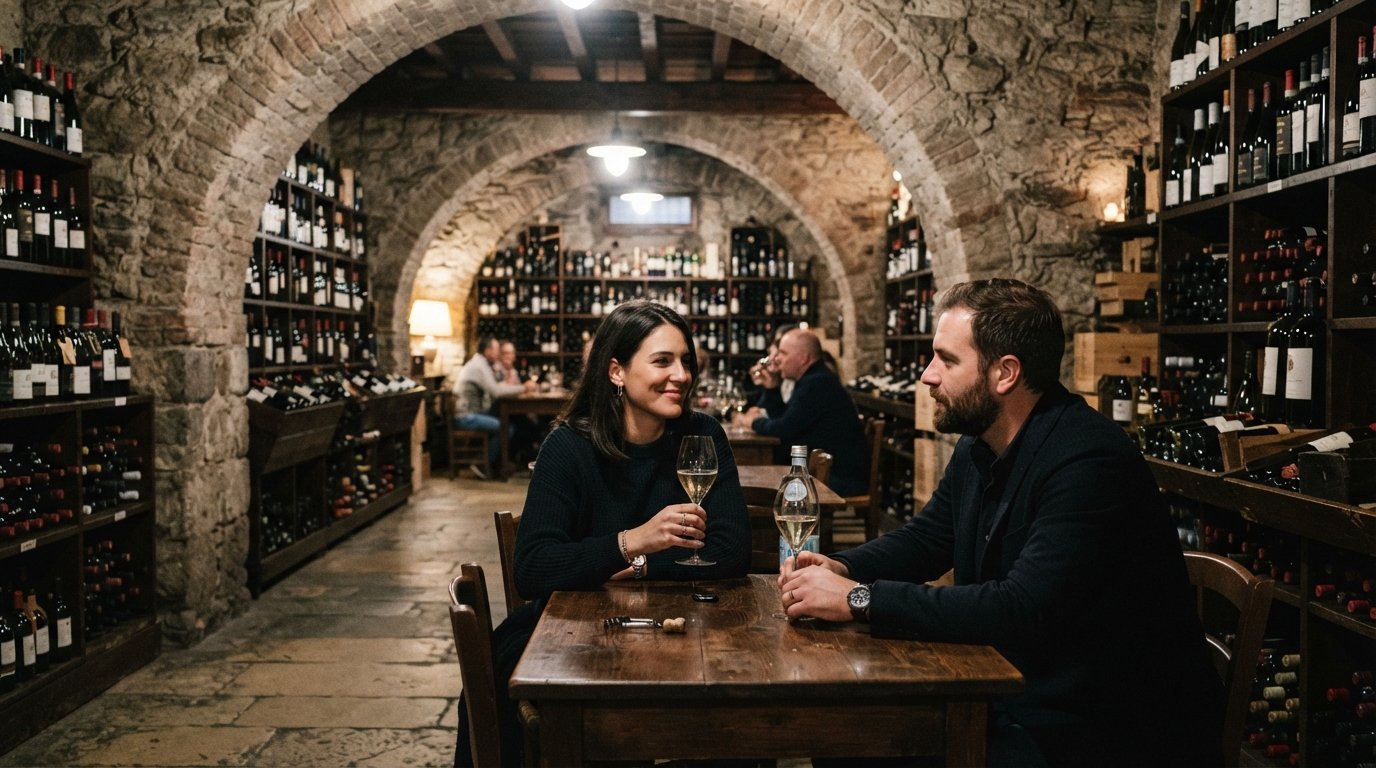
The definitive stop is N’Ombra de Vin at Via San Marco 2, a wine bar set in the 16th-century refectory of the Augustinian friars. Its vaulted cellar holds well over 2,500 labels, which is a useful reminder that Milan can be both elegant and seriously thirsty. Order a glass of Franciacorta with culatello and settle in. A €6 glass in a room like this feels less like a deal than a small civic privilege.
For atmosphere with history, Bar Jamaica at Via Brera 32 has been the artists’ and intellectuals’ haunt since 1911. Lucio Fontana and Piero Manzoni were regulars, which gives the place a pedigree that no amount of staged “creative quarter” branding can fake. Its tramezzini and pavement tables are a Brera ritual, and it stays open daily until 2am.
When you want a genuine cocktail, Dry Milano at Via Solferino 33 pairs a serious drinks programme with excellent pizza and runs Tuesday to Sunday from 6pm until 2am. It is one of the addresses that helped make the cocktail-and-pizza format normal in Milan, which is perhaps the city’s most practical contribution to nightlife. The broader rule in Brera is simple: aperitivo lands around 6.30 to 8pm, dinner follows, and the nightcap happens in a wine cellar rather than a club.
That is the point, really. Brera’s evenings are not about noise. They are about the pleasure of lingering in a room where the chairs, the glassware and the conversation all seem to have been chosen by someone with a taste for understatement and a decent expense account.
Things to do / what to see
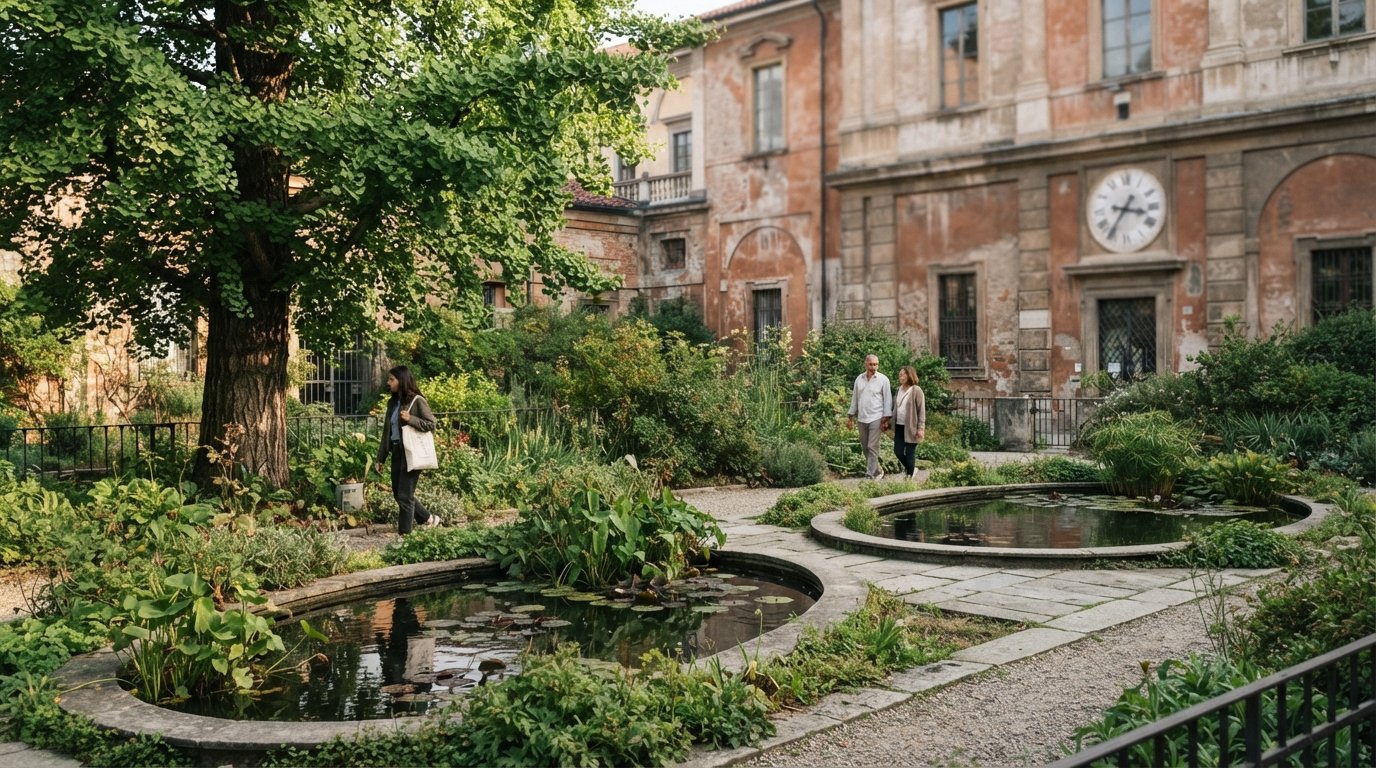
If Brera has a secret, it is that some of its best attractions are free and almost embarrassingly calm. The Orto Botanico di Brera, entered through the Palazzo at Via Brera 28, is a walled botanical garden founded in 1774–75 at the behest of Maria Theresa of Austria. It marked 250 years in 2025. The garden is laid out in three sections around two elliptical ponds, with ancient ginkgo trees giving it a slightly scholarly grandeur. Entry is free, and it is open Monday to Saturday, roughly 10am to 6pm in the warmer months and 9.30am to 4.30pm in winter. It stays blessedly uncrowded, which in central Milan is almost a philosophical statement.
A few steps away, the Chiesa di San Marco is a 13th-century church where Mozart once stayed and Verdi first conducted his Requiem. That is the kind of fact that sounds invented until you stand there and realise how casually Milan layers its history. The church does not shout about it; it simply exists, dignified and slightly severe, while the neighbourhood swirls around it.
But the real pleasure of Brera is walking. Via Brera, Via Fiori Chiari, Via Madonnina and Via Formentini form the cobbled spine of the quarter, lined with small galleries, fortune-tellers and café terraces. Give yourself an aimless hour before dinner. Let the wisteria catch your eye, then ignore your own schedule. Brera rewards people who understand that a neighbourhood can be read in the pace of its streets.
The current cultural centre of gravity is still the Pinacoteca, now extended by Palazzo Citterio, and the site’s live attraction cards belong below; but the mood around the museums is what stays with you. Students in the courtyard, the hush of the galleries, the odd flash of modernism in the new building — it all adds up to a district that has not stopped being a studio, even when it dresses like a salon.
Don’t miss in Brera
The Pinacoteca di Brera art gallery.
The peaceful Orto Botanico di Brera.
Historic cafes like Bar Jamaica, a former hangout for artists and writers.
Shopping
Brera shopping is not about conquest. The big fashion houses sit a few blocks east in the Montenapoleone quadrilateral, and everyone knows it. Here the pleasure lies in boutiques, craft and the sort of retail that still believes an object should have a story.
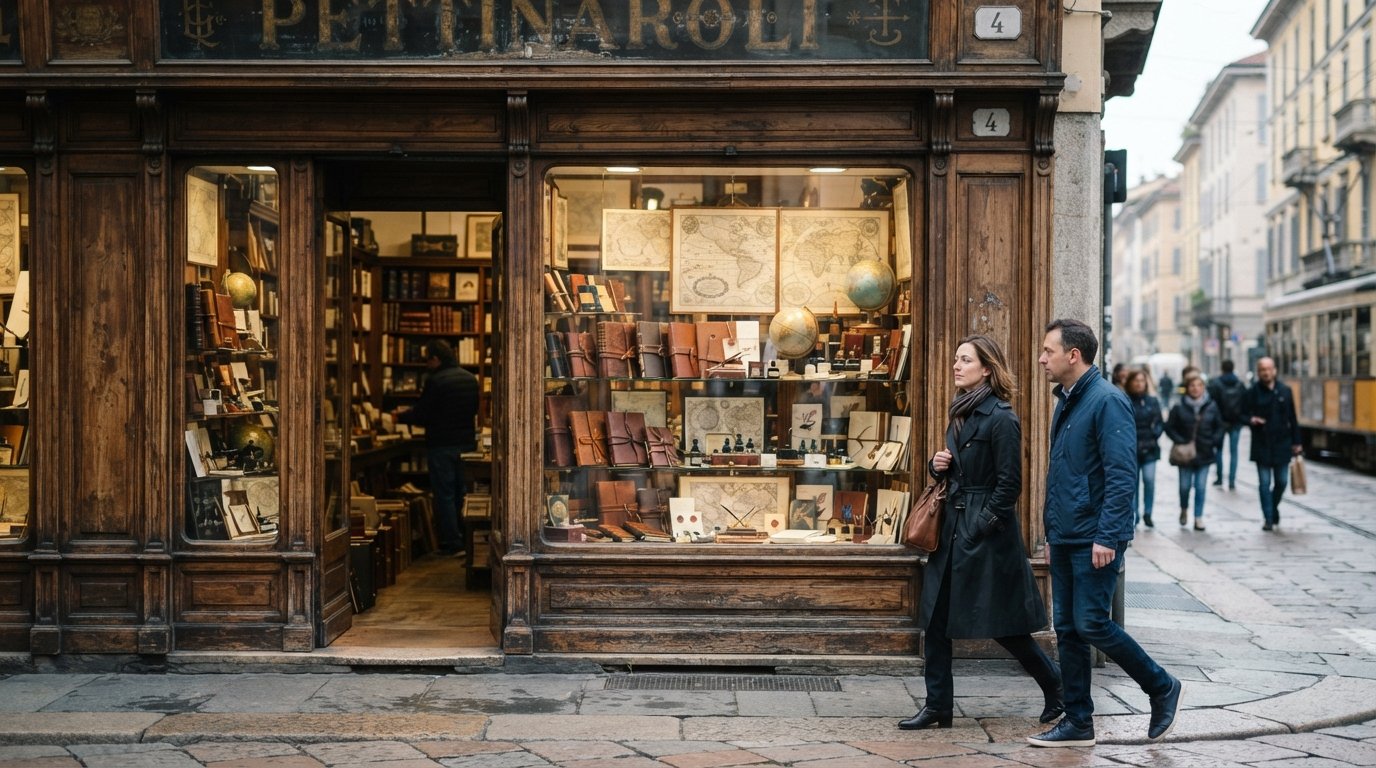
Pettinaroli on Via Brera 4 is the historic stationer and print shop that has traded in leather journals, inks, engravings and antique maps since the 19th century. It is the kind of place that makes you want to write things by hand again, or at least to pretend you will. In a neighbourhood built on paper, paint and polish, Pettinaroli feels entirely at home.
Design-minded visitors should time a trip to the Brera Design District, the cluster of showrooms and galleries that comes alive during April’s Salone del Mobile. During that week Brera behaves like itself on a very good day: busy, curated, and just a little smug about knowing what comes next before the rest of the city does.
The set-piece, though, is the Brera antiques and collectibles market. Every third Sunday of the month, except August, around fifty stalls fill Via Fiori Chiari, Via Madonnina and Via Formentini from roughly 9am to 6pm, selling vintage jewellery, books, porcelain, prints and clothing. It has been running since 1981. It is browsing rather than bargains, but the setting among the cobbles and galleries is half the point. In Brera, even rummaging looks considered.
Where to stay in Brera
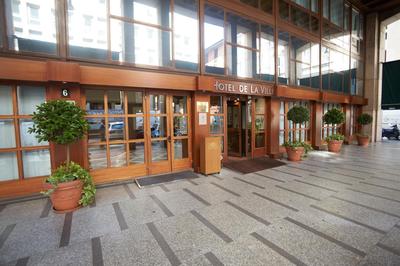
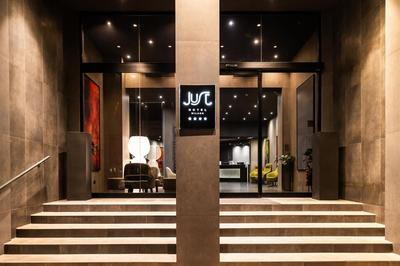
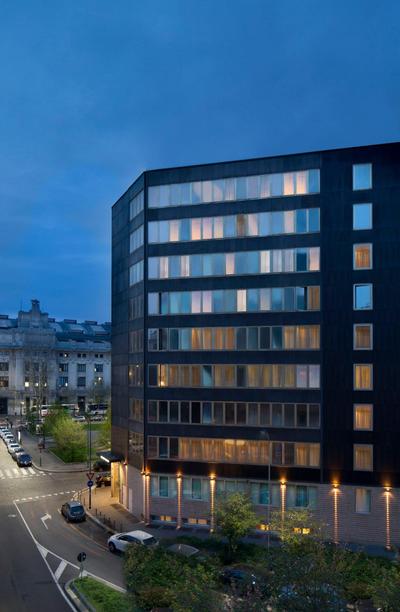
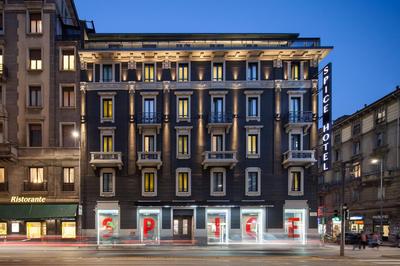
Brera is a lovely, atmospheric base — central to the Duomo and Montenapoleone but calmer at night — and priced accordingly. Expect upper mid-range to luxury. The quieter, more romantic pockets are the lanes around Via Fiori Chiari, Via Madonnina and Via San Marco, where you wake to cobbles and café terraces rather than traffic. Closer to Corso Garibaldi and Via Solferino, you get more evening buzz and easy walks to Porta Nuova.
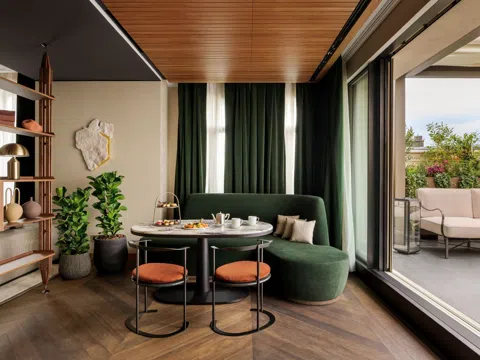
The headline recent opening is Casa Brera, a Luxury Collection hotel that debuted in February 2025 inside a 1950s Rationalist building with a rooftop pool. That is very Milan: a modern hotel inserted into a serious old shell, with the city’s taste for design and discretion doing the usual work.
Brera suits couples, art lovers and design travellers who want the Pinacoteca and the fashion district on the doorstep, and it also suits first-timers who prefer to sleep somewhere calmer than the retail engine east of here. It does not suit bargain hunters, and it does not pretend to. The live hotels render directly below.
Hotels in Brera
Our best-rated stays in this neighbourhood. Prices are approximate “from” rates — confirmed at the provider when you continue. We may earn a commission if you book through our partners — at no extra cost to you.
In this area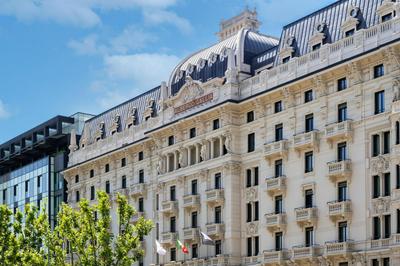 In this area
Brera
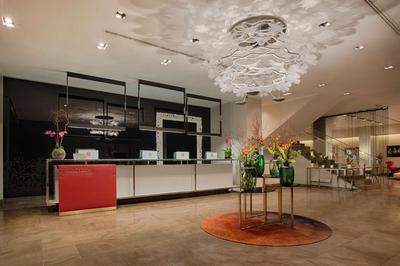
Excelsior Hotel Gallia, a Luxury Collection Hotel, Milan
9.2· 1,030 reviews
approx. from£591 / nightSee prices
 In this area
 In this area
 In this area
 In this area
 In this area
 In this area
 In this area
 In this area
 In this area
Brera
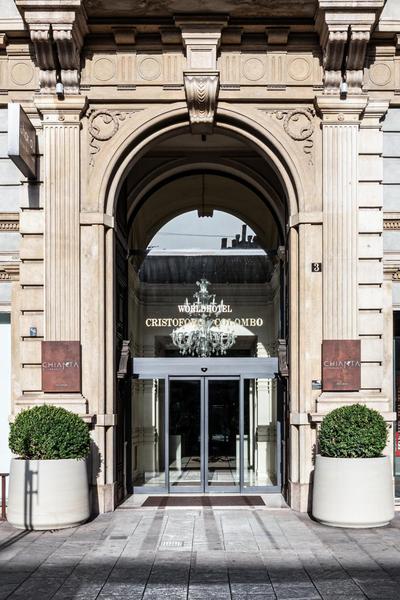
Hotel Cristoforo Colombo Member of Preferred Hotels & Resorts
8.6· 5,368 reviews
approx. from£340 / nightSee prices
 In this area
Getting around
Brera is compact and made for walking. The whole quarter is barely ten minutes on foot from the Duomo, and the Montenapoleone fashion streets and Castello Sforzesco are similarly close. Most of the core is pedestrianised or restricted, which is a blessing unless you are driving, in which case the neighbourhood will make its opinion clear.
The nearest metro is Lanza on the M2 green line, about a five- to six-minute walk from the core. Montenapoleone on the M3 yellow line and Moscova on the M2 are also within easy reach on the edges. Trams and buses thread the surrounding avenues, but honestly you will walk almost everywhere inside Brera.
For airports, Milano Centrale is a short metro or tram hop away. From there the Malpensa Express runs to Malpensa in about 50 minutes, while Linate — the closer city airport — is roughly 25 to 30 minutes by taxi or the M4 metro.
Brera is very safe and well-heeled, day and night, with the usual big-city care needed in the busiest tourist stretches. But the feel on the ground is calm. It is a neighbourhood that has spent 250 years becoming Milan’s studio, salon and stage, and it still knows how to keep the door open without raising its voice.
Gallery
Brera in pictures
Brera — your questions
Is Brera a good area to stay in Milan?
Yes, if your budget stretches that far. Brera is central, safe and genuinely charming, with the Duomo, the Pinacoteca and the fashion district all within easy walking distance. It leans upscale, so it suits couples, art lovers and design travellers more than bargain hunters.
What is Brera best known for?
Art and atmosphere. The Pinacoteca di Brera is one of Italy’s great picture galleries, now expanded by Palazzo Citterio and the Grande Brera project. Around it you get the academy, small galleries, the hidden botanical garden and an aperitivo scene built around wine bars rather than clubs.
Is Brera expensive?
Yes. It is one of Milan’s priciest neighbourhoods, and that shows in hotels, boutiques and drinks. You can still eat well at traditional trattorias or have an aperitivo without going overboard, but the setting costs more than it would in outer districts.
Can you walk from Brera to the Duomo?
Easily. Brera is about a ten-minute walk north of the Duomo, and the neighbourhood is compact enough that most of it is best explored on foot.