
Most visitors give Milan a single day, wedged between other stops on an Italian itinerary, and they leave convinced they've seen a grey, work-driven city with one striped-marble cathedral and not much else. That's the visitor's mistake, not the city's — Milan doesn't perform for tourists on a single pass; it opens in layers, revealing courtyards behind unmarked doors, a canal system that still moves water the way Leonardo da Vinci engineered it, and an aperitivo culture that rewards the person who orders the same drink in the same bar on their fourth night running. This is a guide for people planning to come back.
The Courtyards Milan Hides Behind Its Doors
Milan's public face — the Duomo, the Galleria, the fashion windows of the shopping quarter — is the one every guidebook photographs, and it's also the one that tells you the least about how the city actually works. The real Milan sits behind gates, gatehouses, and unmarked doors, in a run of courtyards most residents only find because someone told them where to look.
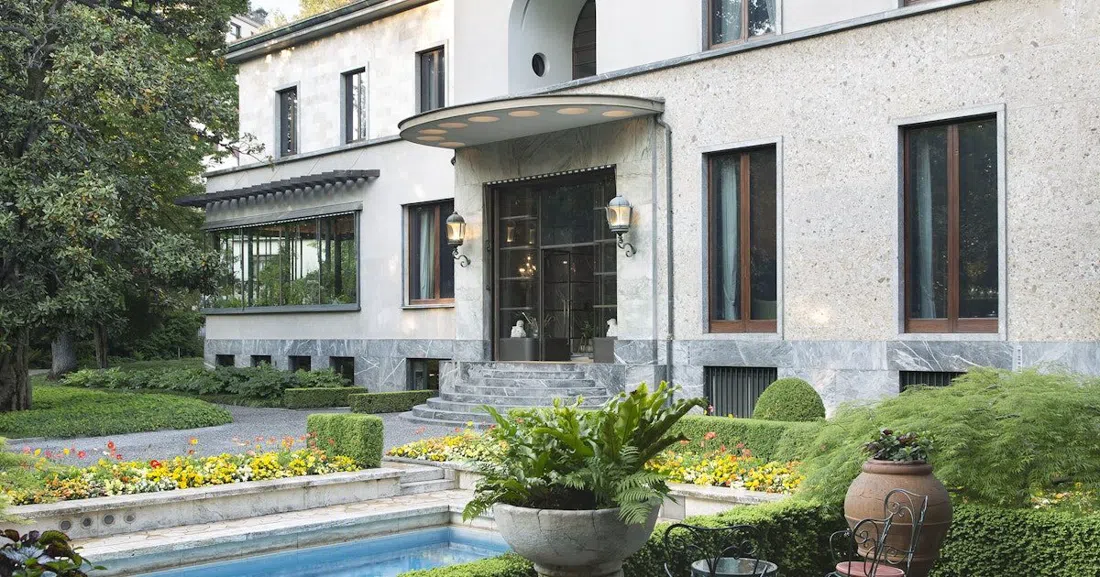
Villa Necchi Campiglio (Quadrilatero del Silenzio, off Via Mozart) is the clearest example: a 1930s rationalist villa with a swimming pool and a walled garden sitting a few minutes' walk from the loudest shopping streets in the city, and you'd never guess it was there from the pavement. It's run by FAI (Italy's National Trust equivalent), open Wednesday to Sunday, 10:00–18:00, and entry to villa and garden together is €15 for adults. Guided tours run for anyone who wants the full decorative-arts context, and groups are accommodated with advance booking — a solid choice for a small party rather than a spontaneous solo drop-in.
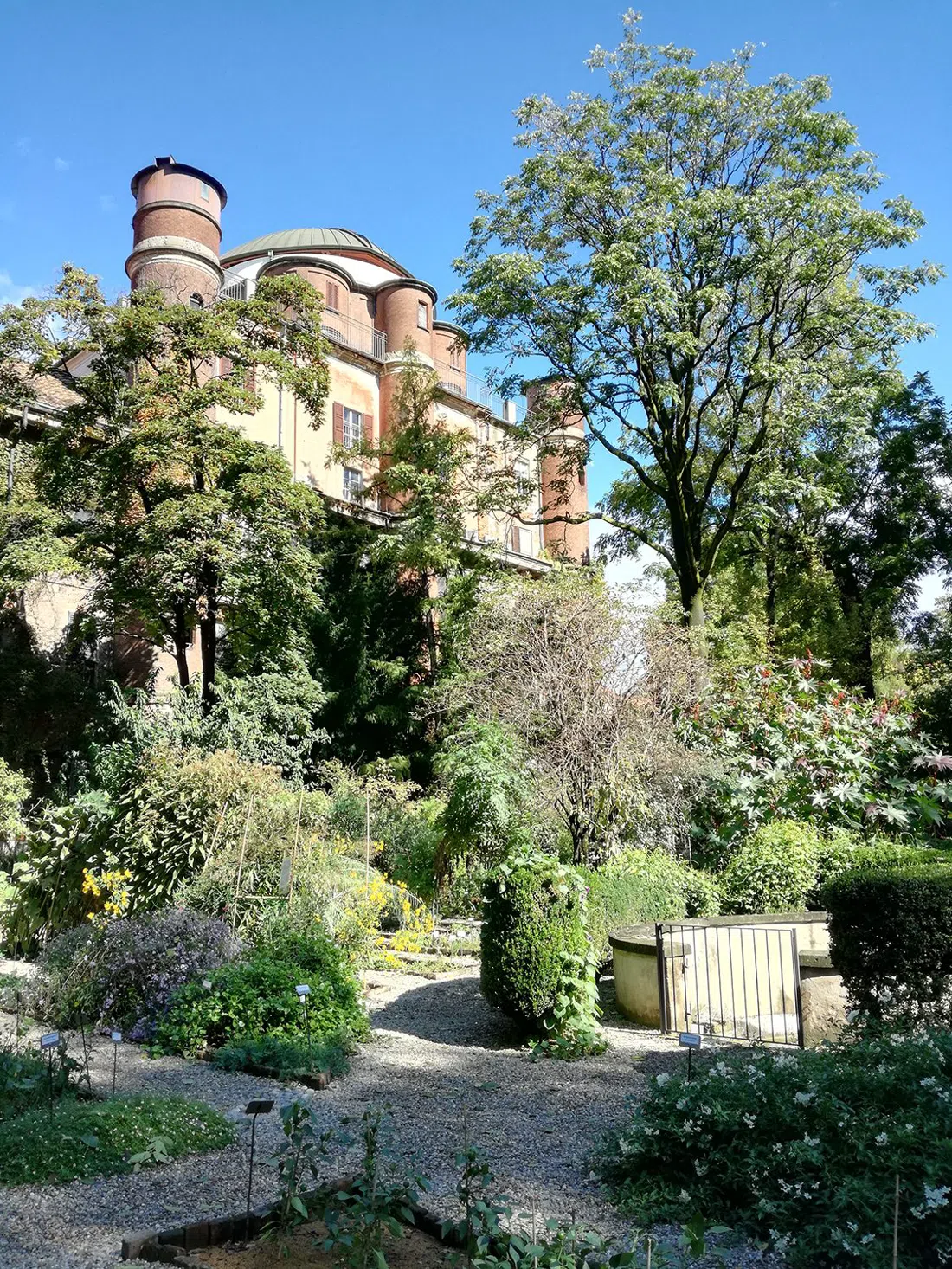
Orto Botanico di Brera (Brera) needs no booking and costs nothing: it's a walled botanical garden tucked directly behind the Pinacoteca di Brera, one of Milan's most-visited galleries, and most of the people filing into the museum next door have no idea it exists. Informal groups can wander in freely — it's less a destination in its own right than a five-minute decompression chamber between gallery rooms, the kind of place you learn about once and then build into every future itinerary.
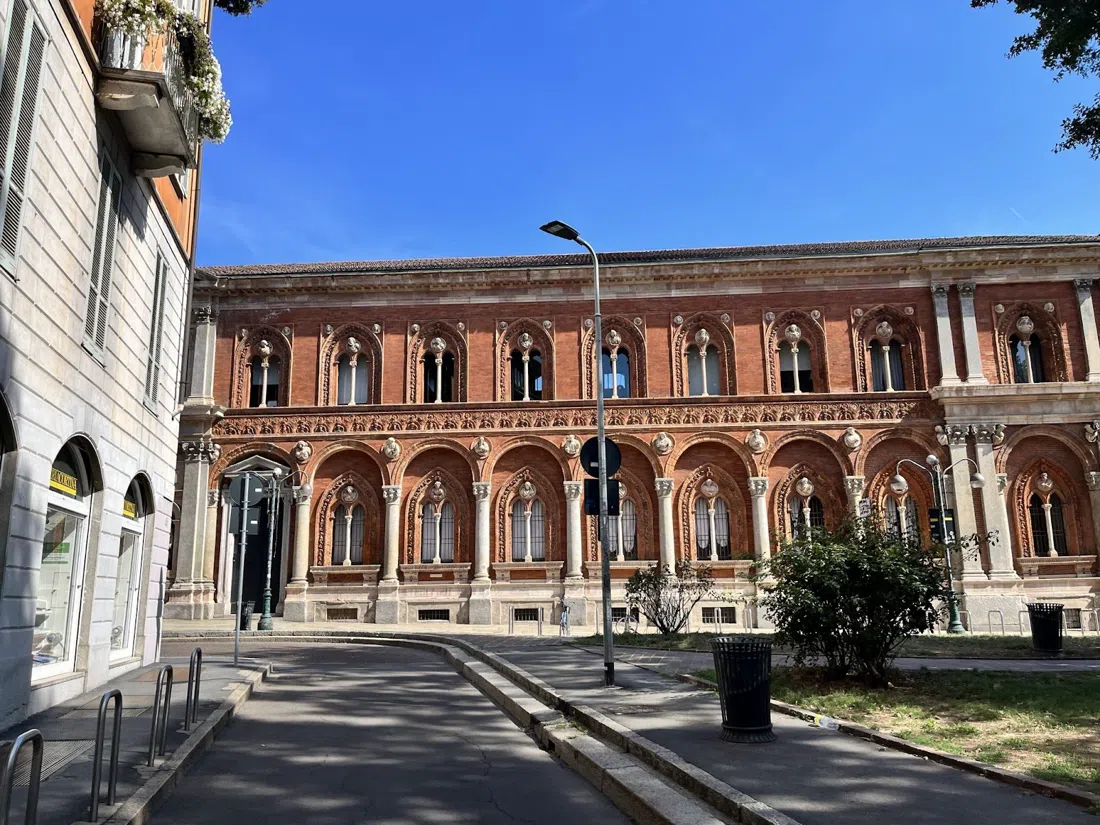
Ca' Granda courtyards (Via Festa del Perdono, next to the Duomo) go further still: a full Renaissance hospital, begun in 1456 under Francesco Sforza and Bianca Maria Visconti, that's now the working home of the Università degli Studi di Milano. Students cut through its arcaded courtyards between lectures without a second glance; visitors who don't already know it's open to the public walk straight past the gate. Group visits can be booked on Saturdays between 9:00 and 16:30 through the university's booking form, and there's a free guided-tour series, "Giovedì in Ca' Granda," running on Thursdays — both free, both criminally under-visited given the Duomo is a five-minute walk away.
Basilica di Sant'Ambrogio (Sant'Ambrogio) is a working church rather than a secret one, but its atrium — a colonnaded courtyard you cross before you even reach the basilica doors — is one of the calmest architectural spaces in central Milan precisely because most visitors are heading for the Duomo instead. Entry is free with no booking required; the treasury costs €2 if you want to see the reliquaries. It's one of the oldest churches in the city, and large groups are welcome as long as they're mindful around Mass times.

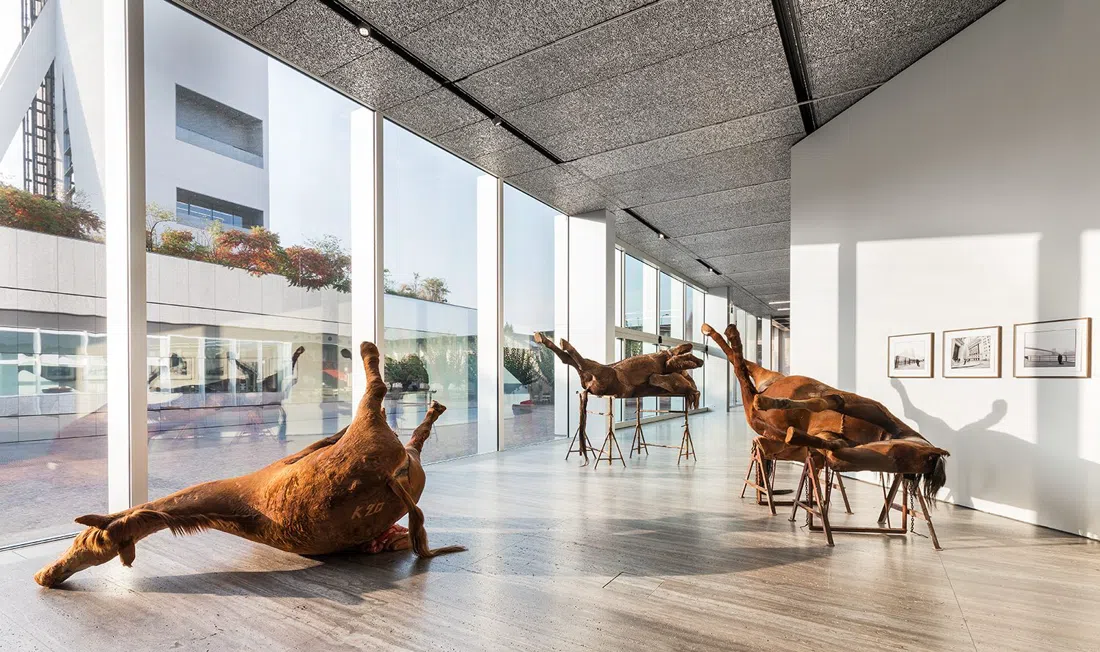
Fondazione Prada (Largo Isarco, Porta Romana) is the one courtyard on this list that isn't quietly forgotten — it's Milan's most photographed contemporary-art complex, a former gin distillery Miuccia Prada and Rem Koolhaas rebuilt into a campus of old and new buildings around a central courtyard. What a lot of first-time visitors don't realise is that you don't need a ticket to be there: the outdoor courtyard, the Library building, and Bar Luce — the Wes Anderson-designed café — are all free to enter. A €15 ticket gets you into the exhibition spaces, and groups can book guided tours in advance. It's open daily 10:00–19:00, closed Tuesdays.
An Aperitivo Isn't One Night Out — It's a Standing Appointment
The Milanese aperitivo is often explained to outsiders as a happy hour: a drink before dinner, maybe some free snacks. That undersells it. It's a daily ritual with its own geography and its own regulars, who show up on the same night every week at the same bar. Treat one aperitivo as your Milan experience and you've missed the point; the point is to pick two or three of these and go back.
Bar Basso (Porta Venezia, Via Plinio) is the essential one. This is the bar where the Negroni Sbagliato was actually invented — the story goes a bartender reached for prosecco instead of gin by mistake and the drink stuck — and it's still the place locals send you back to on every night of a trip, not just the first. There's no reservation for the bar area; long communal tables mean groups naturally fold into each other, which is part of the charm, though it also means a queue on weekend nights. Cocktails run €12–15 and come with olives and focaccia. It's closed Tuesdays, worth checking before you plan a special trip.
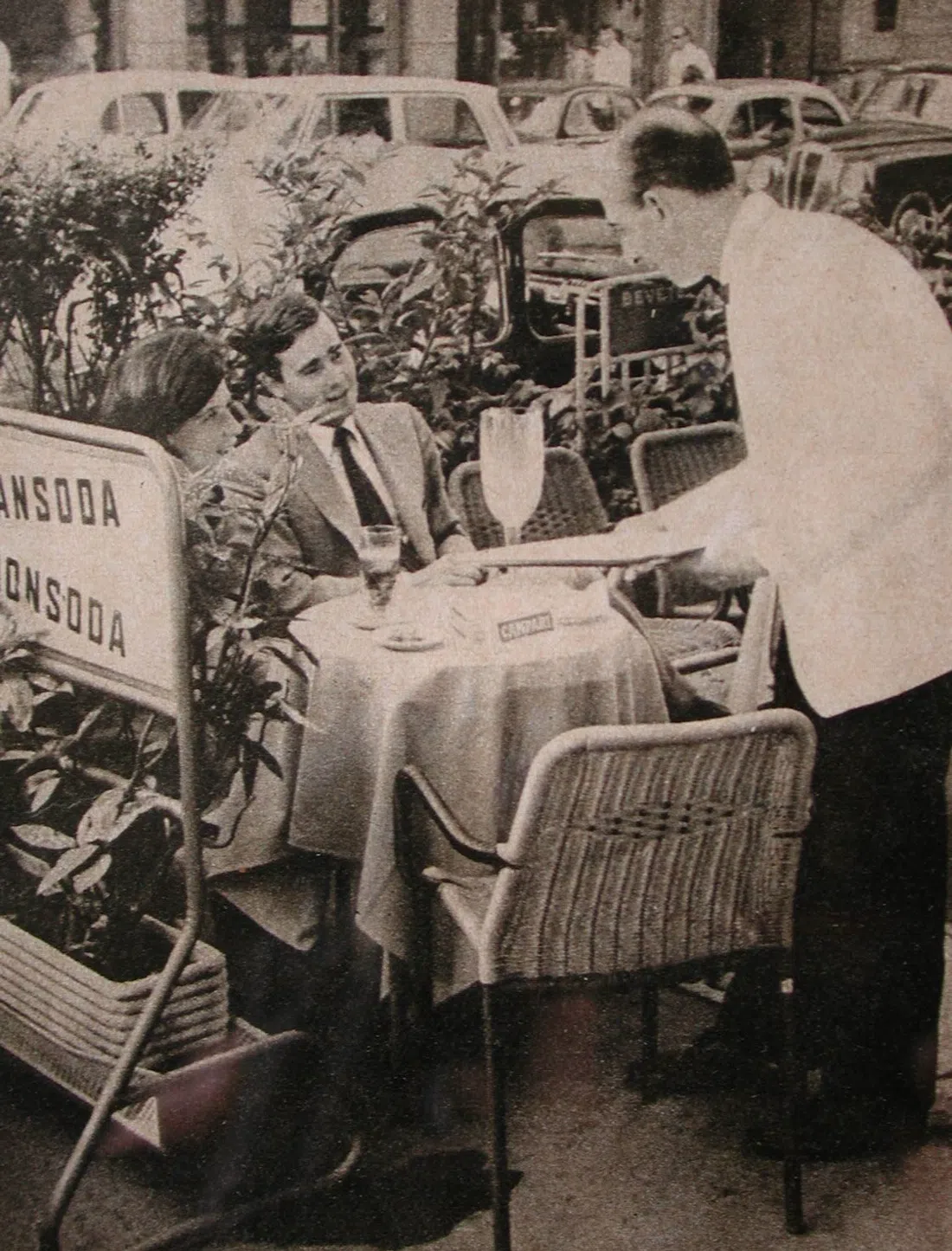
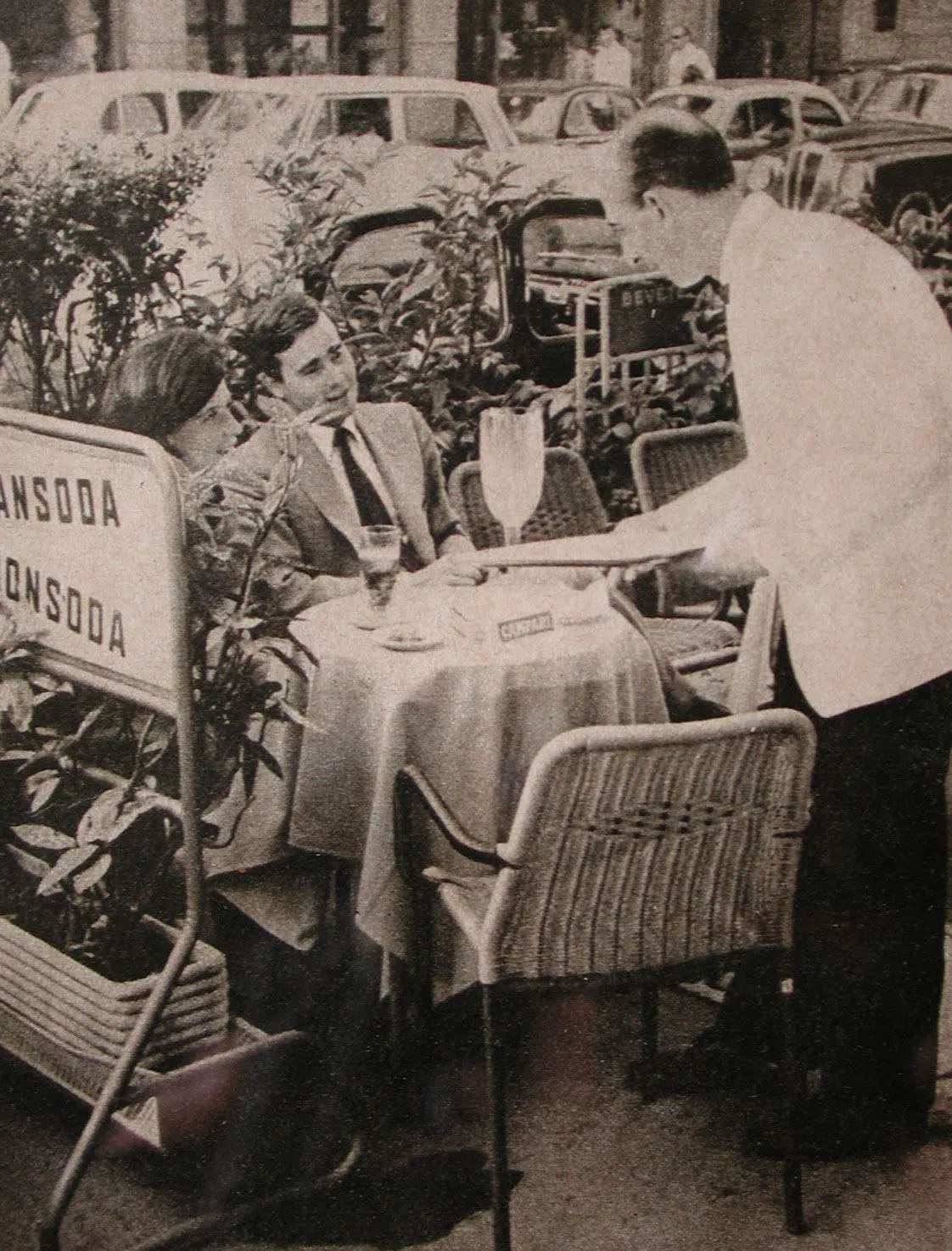
Camparino in Galleria (Galleria Vittorio Emanuele II, by the Duomo) is where the whole ritual arguably starts historically — this is the bar, under the glass arcades, where the modern Milanese aperitivo was effectively invented around the Campari brand. It takes groups two ways: a standing bar di passo for a quick round, or seated service in the Sala Spiritello for a longer sit-down. Cocktails run €15–20, coffee around €5 — a premium over a neighbourhood bar, but you're paying for the room as much as the drink. Open Monday–Saturday 8:00–23:00, Sunday 8:00–22:00.
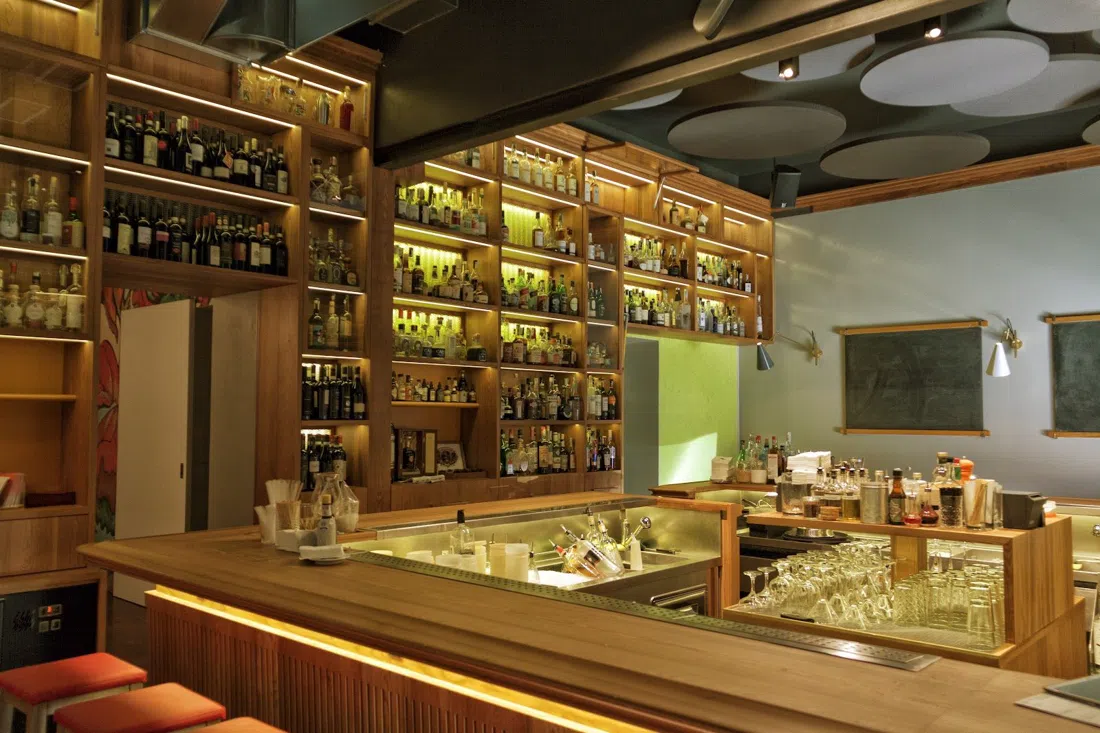
N'Ombra de Vin (Brera) trades the crowd for history: it's a wine bar set inside a former monastery refectory, and the cellar and the sharing boards are why Milanese keep returning rather than the novelty of the room. Groups are welcome, seating is mostly first-come, and it gets genuinely lively on nights with live music. Wine by the glass runs €5–10, boards €15–20 — one of the better-value stops on this list.
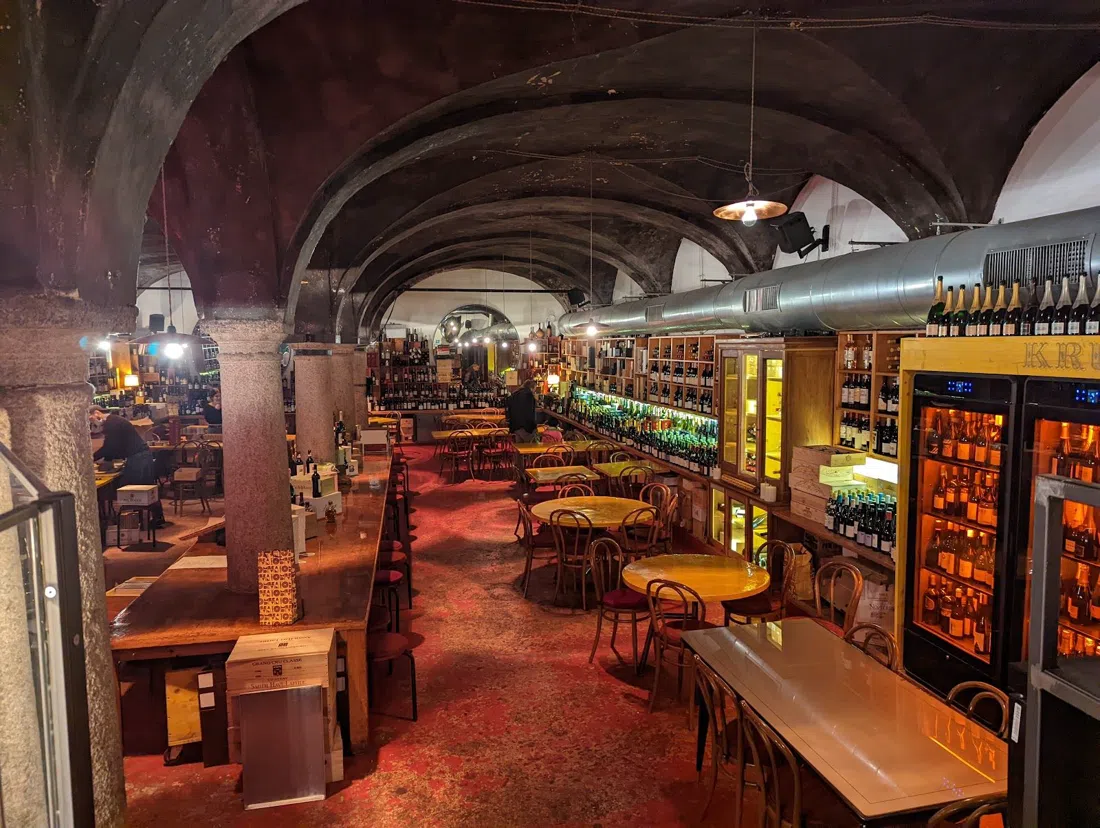
Dry Milano (Via Solferino, Brera) is the newer addition to the canon — it opened in 2013 and is still the reference point for Milan's pizza-and-cocktail pairing, a format plenty of bars have since copied. Reservations are accepted and worth making; groups are doable but weekend evening slots book out. Budget roughly €10–15 each for a pizza and a cocktail. Open Tuesday–Sunday, 18:00–02:00.
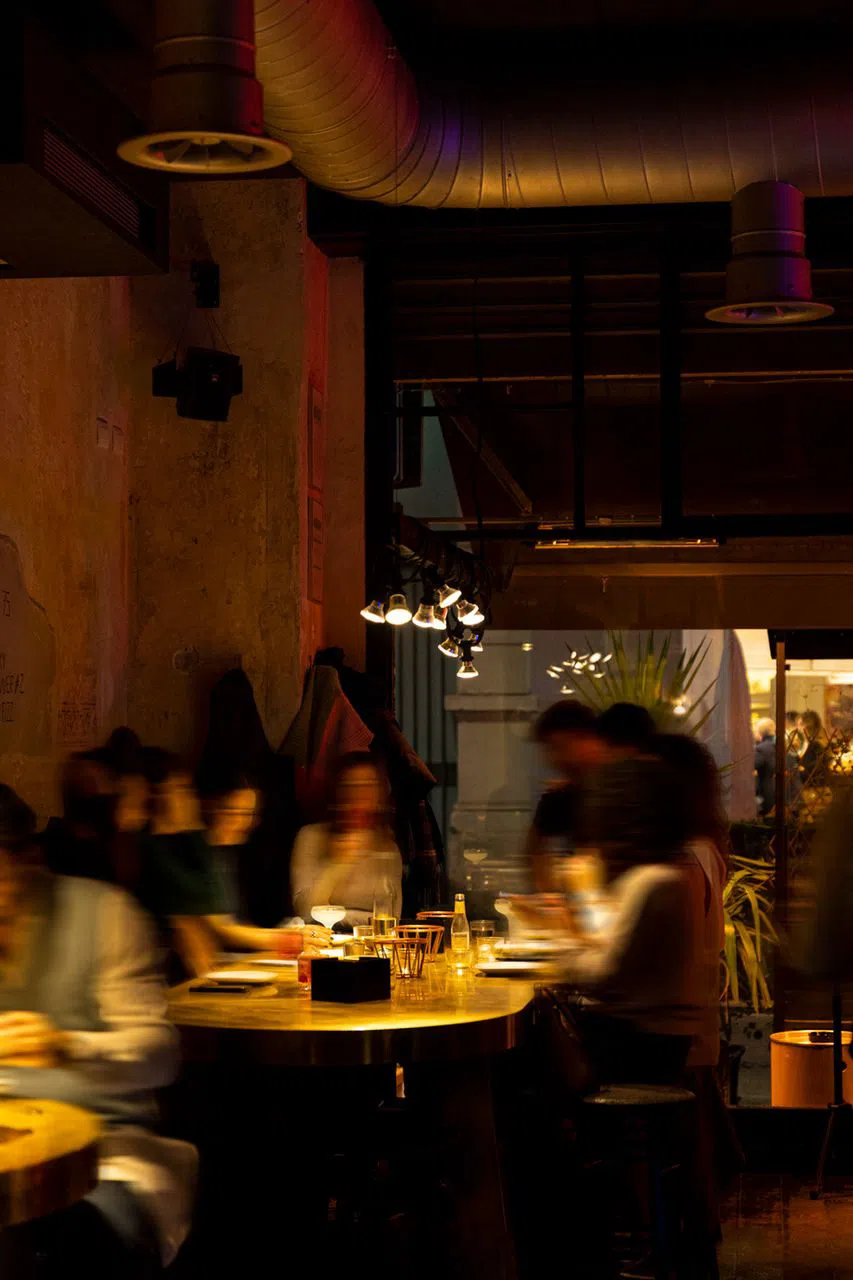
Bagni Misteriosi (Porta Romana, inside Teatro Franco Parenti) is the seasonal outlier and arguably the most memorable: a 1939 lido — a working-class public swimming pool — reborn as a summer aperitivo spot, and reportedly the only theatre in the world with a pool physically attached to it. It runs Wednesday–Sunday, 19:00–22:30, and groups should reserve ahead by phone or email, especially for a warm evening. Aperitivo runs €20–25; pool entry is billed separately if you want to swim rather than just drink beside it.
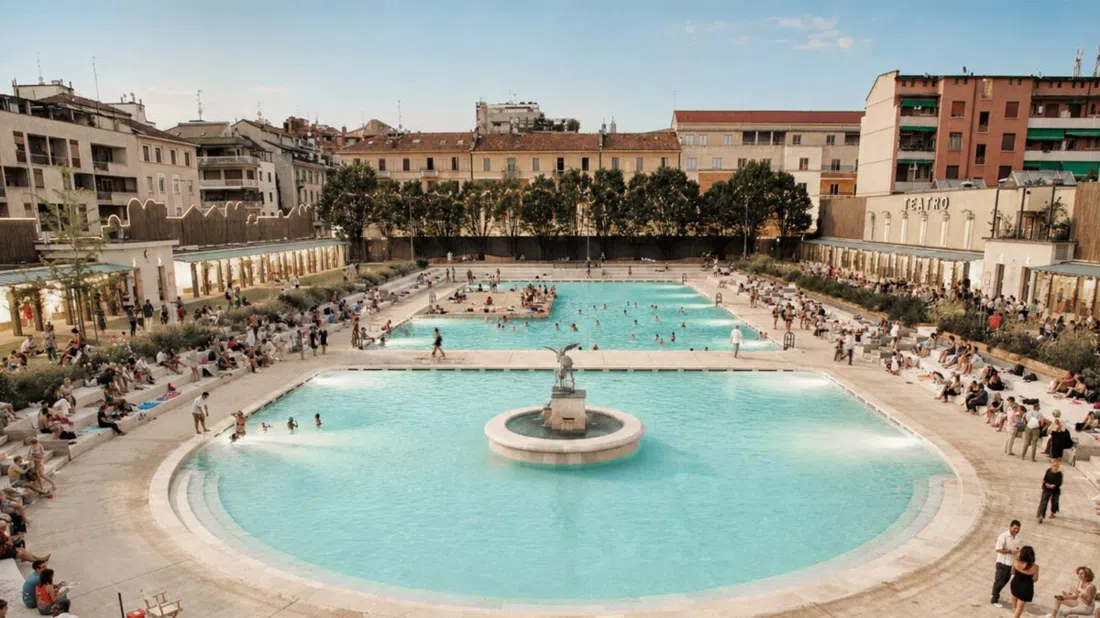
Navigli: The Canal City Underneath the Nightlife
Most visitors experience the Navigli as a strip of bars along a canal and stop there. That's a shame, because the canals were a functioning transport network before they were a nightlife district, and the water-engineering history is still visible if you look for it — worth doing before, not instead of, the aperitivo.
Mag Cafè (Navigli) has been a fixture of the canal-side scene since the 2000s and is the kind of bar regulars build into their daily routine rather than visit once — no strict door policy, groups fine, canal-side seats that get snapped up fast at aperitivo hour. Cocktails run €10–12. It has no real standalone website, only social channels, itself a small sign of how local its clientele still is. Open daily, 07:30–02:00.
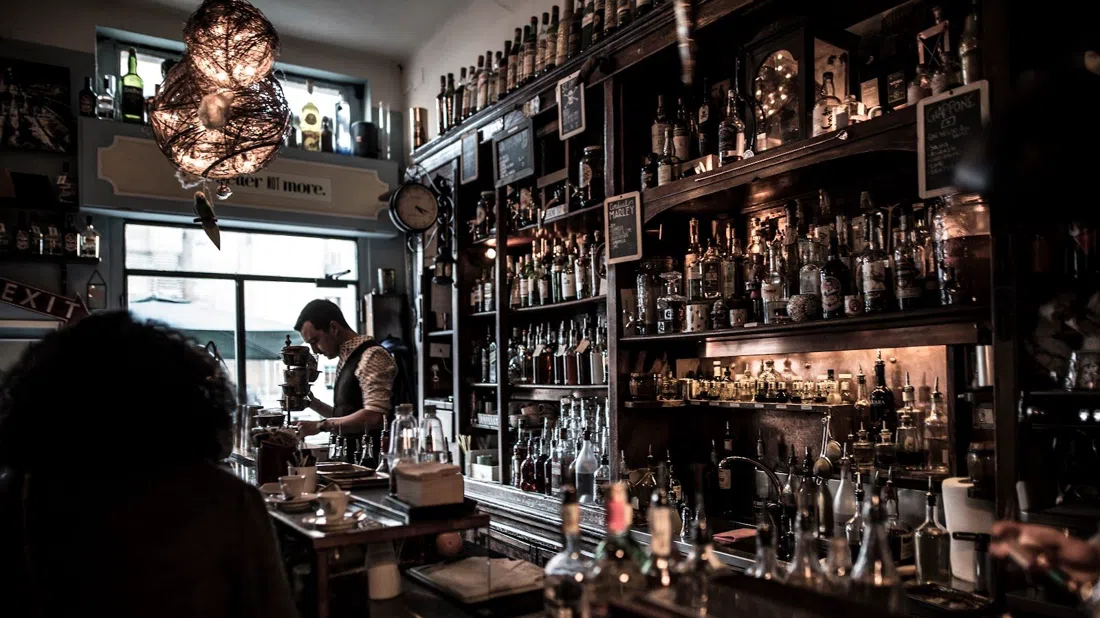
Rita (Navigli) has been open since 2002 and is regularly ranked among Italy's best cocktail bars — a fresh-ingredient pioneer in a scene that's since caught up to it. It's casual, groups are fine, and it fills up on weekend nights, so arrive early if you want a seat rather than a spot at the bar. Cocktails run €10–12.
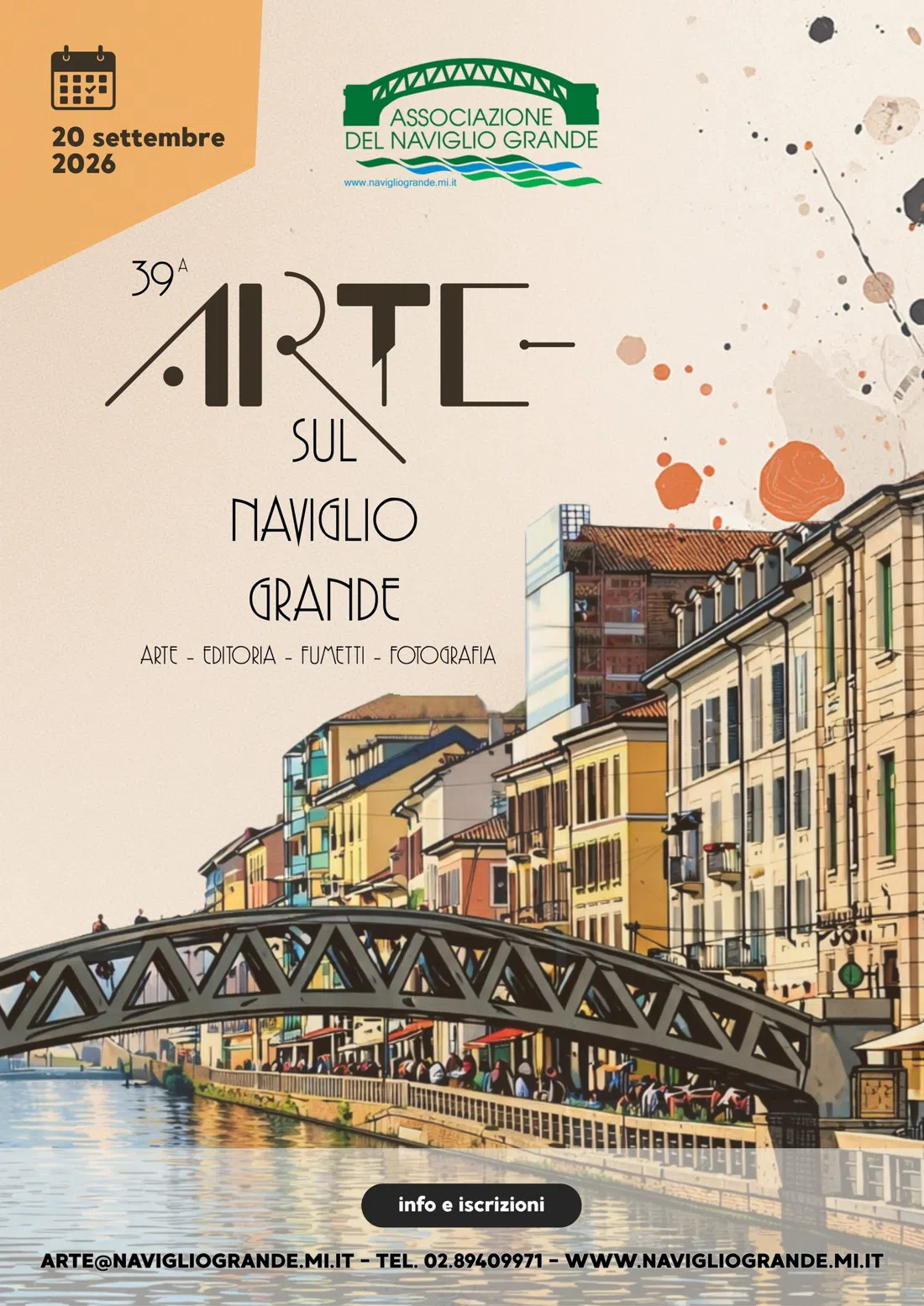
Mercatone dell'Antiquariato (Naviglio Grande) is the one item on this list that's genuinely different every time you go, which is the whole argument of this article in miniature: a monthly open-air antiques market that runs along the Naviglio Grande on the last Sunday of every month — the next date is 30 August 2026 — with free entry and no booking, suited to any group size. Nothing about what's for sale repeats month to month, so it's the rare Milan fixture that rewards a second and third visit on principle rather than nostalgia.
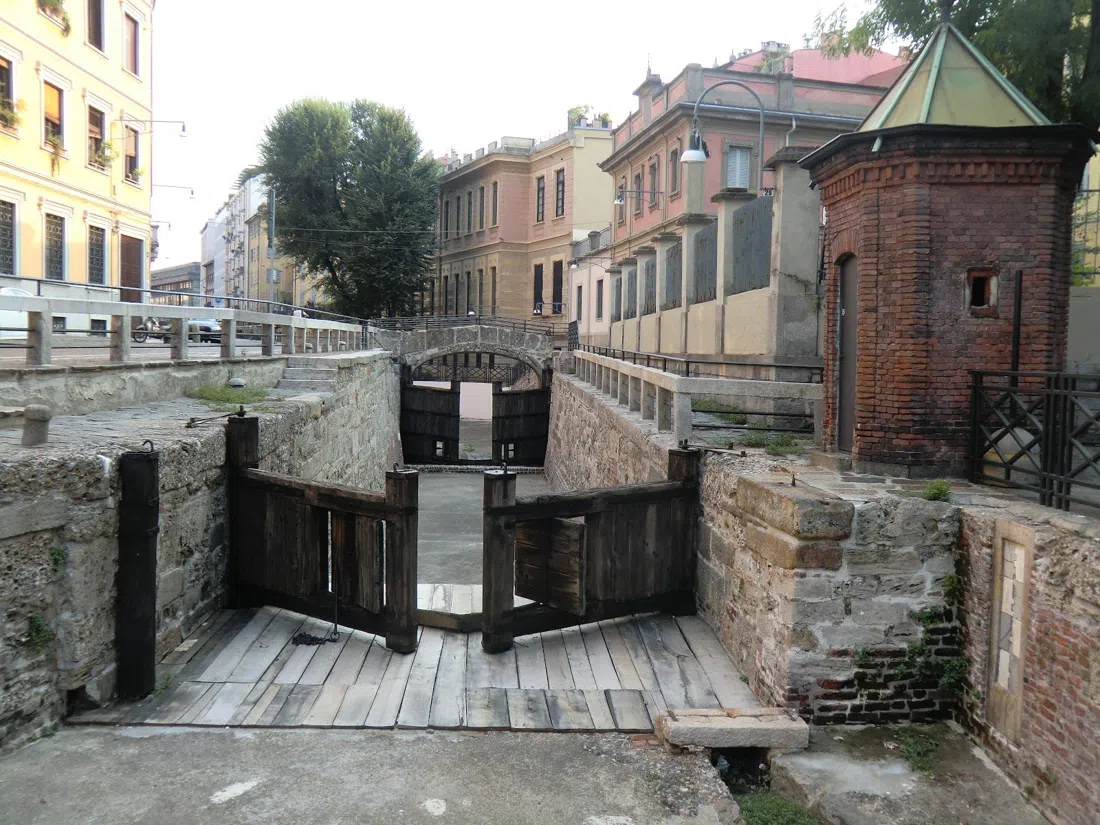
Conca dell'Incoronata (Via San Marco, city centre) is the historical anchor for all of this: a lock designed by Leonardo da Vinci around 1496 to move barges between the Naviglio Martesana and the ring of canals that once encircled Milan. The wooden gates, restored in 1996, are built to the same design shown in his Codex Atlanticus drawings. It's dry now — most of central Milan's canals were paved over in the 1930s — but the lock itself is still standing, free to see, no booking required, and most visitors walk past it without knowing what they're looking at.
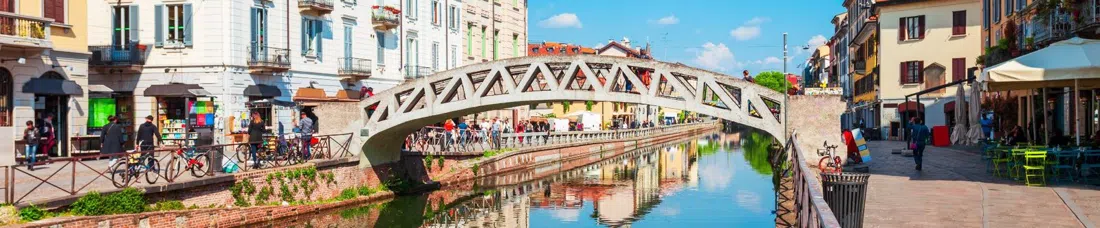
Navigli Canal Boat Cruise (Zani Viaggi, departing from the Navigli) is the way to connect the bars to the engineering: a roughly 50-minute boat tour, small groups of around 10 people per boat, with private charters available for larger parties. It's the one way to actually see the Navigli's working history — including the endpoint the Conca dell'Incoronata was built to serve — from the water rather than from a bar stool on the bank. Tickets run €20–25 per person with an established local operator still running in 2026.
Getting Around, and What to Budget
Milan's metro (five lines, plus trams worth riding for their own sake — some of the orange rolling stock dates to the 1920s) covers everything on this list; a single ticket costs €2.20 and is valid for 90 minutes across metro, tram, and bus. A day pass (€7.60) pays for itself after four rides. None of the venues above need a car, and several — the Navigli bars, the antiques market — are actively easier on foot or by tram than by any other method.
Carry some cash. Milan is largely card-friendly, but smaller bars, market stalls at the Mercatone dell'Antiquariato, and the boat cruise operator can be cash-preferred or cash-only depending on the day and staff. €50–100 in small notes covers most gaps.
On timing: aperitivo hour runs roughly 18:00–21:00 across the city, and the courtyards and gardens above are daytime visits — most close by 18:00 or 19:00, so pair one courtyard with one aperitivo bar per day rather than trying to stack several of each. The Mercatone dell'Antiquariato is a Sunday-only, once-a-month fixture, so check the date against your travel dates before building a day around it.
On budget: a day mixing one free courtyard, one €15 museum entry, and a modest two-drink aperitivo runs somewhere around €40–60 per person, before dinner. None of the venues above require big spending to get the real version of Milan — the Orto Botanico, the Ca' Granda courtyards, Sant'Ambrogio, and the antiques market are all free.
If you're building an itinerary around repeat visits rather than a single pass through the city, a well-placed base matters more than usual — start with a Milan hotel search for something near the centre or the Navigli, and see the full Milan guide for everything else worth building around these five days, or twenty.