
By the third week of the show calendar, the tents on Via Tortona come down, the street-style photographers catch their flights home, and Milan quietly hands the city back to the people who actually work in it. What's left behind is enormous: four days of runway samples, editor cast-offs, press-loan returns and end-of-season stock, all of it moving through outlets, ateliers and back-room sales that most visitors never time correctly. This is the month to shop Milan the way the industry does — after the cameras, not during them.
The city runs two big shows a year, womenswear in late February/early March and again in September, with a smaller menswear edition in June. The rhythm that matters for this piece is the same each time: for roughly four to six weeks after a show closes, sample stock, press returns and last season's full-price inventory all get marked down or quietly moved into circulation before the shops reset for the next cycle. Time a trip for late March, late June, or October and you're shopping the actual aftermath, not a generic sale calendar.
Where the Runway Rails Actually Land
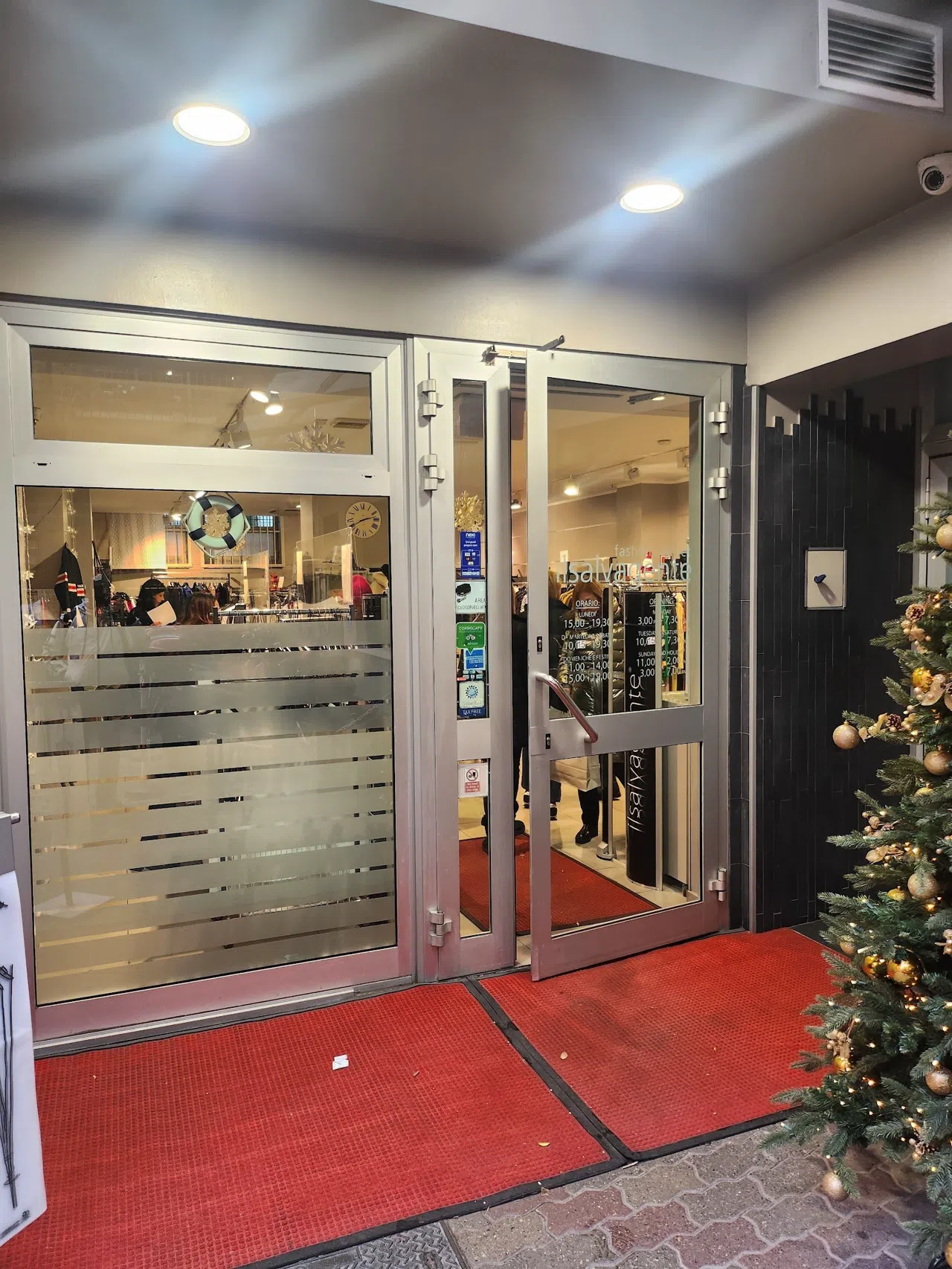
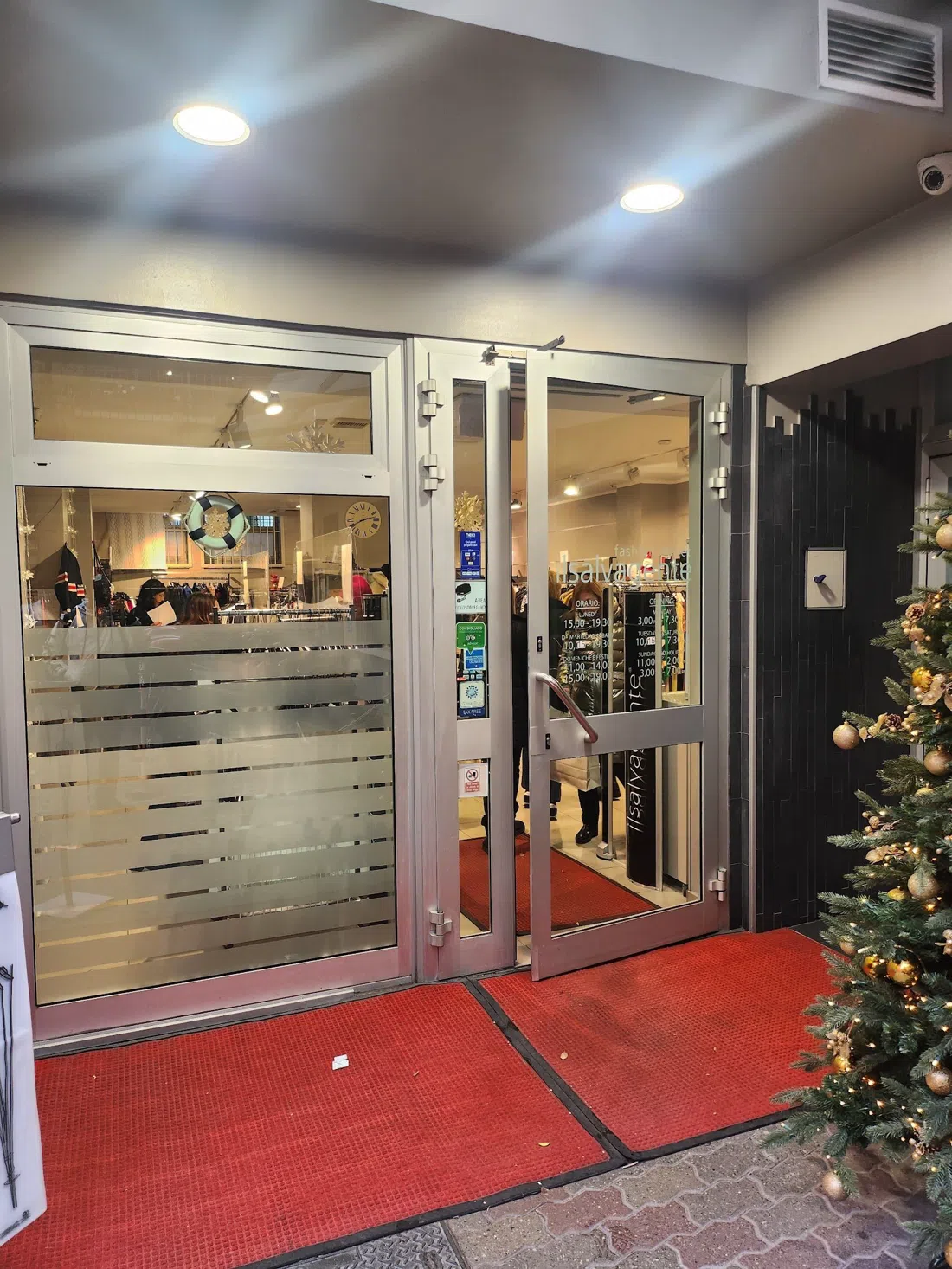
Il Salvagente (Porta Romana) is where this story starts, literally — it opened in 1978 as Milan's original designer outlet and it's still the purest version of the aftermath experience in the city. This is genuine end-of-season runway stock and overstock from Prada, Gucci, Fendi and Dolce & Gabbana at 60-85% off, no appointment required. It's walk-in only, and fine for a small group, but the aisles are narrow enough that anyone travelling in six or more should split up before going in — you'll move faster and annoy fewer people doing it.
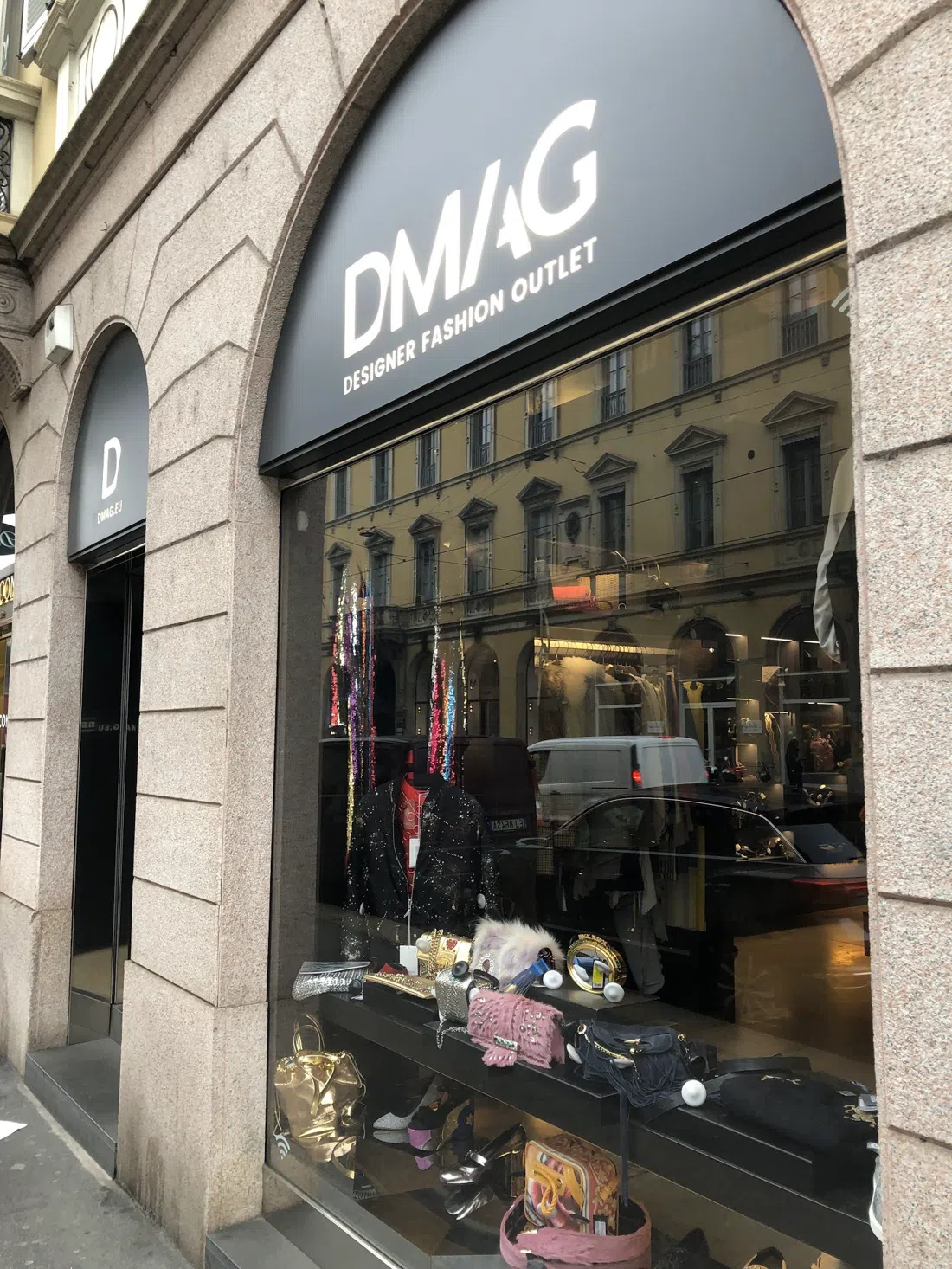
DMAG Outlet sits inside the Quadrilatero della Moda itself, which is the detail that makes it worth a special trip: you can walk out of the emptied show tents and straight onto the discount rails without leaving the fashion district. It handles heavy foot traffic well and is genuinely good for groups — no need to split up here the way you would at Il Salvagente. Prices are marked down from full runway retail, so expect €€ rather than Il Salvagente's steeper cuts, but the location is unbeatable if you're already in the Quadrilatero.
The Shops the Industry Never Stopped Shopping At
Antonioli (Tortona) is the place for pieces that walked the just-finished shows and are already on the floor — genuinely current stock, not leftovers. It's walk-in, but the layout is curated and quiet, so it works best in pairs or small groups rather than a crowd moving through together. Expect €€€€ pricing; this is where buyers shop, not where they discount.
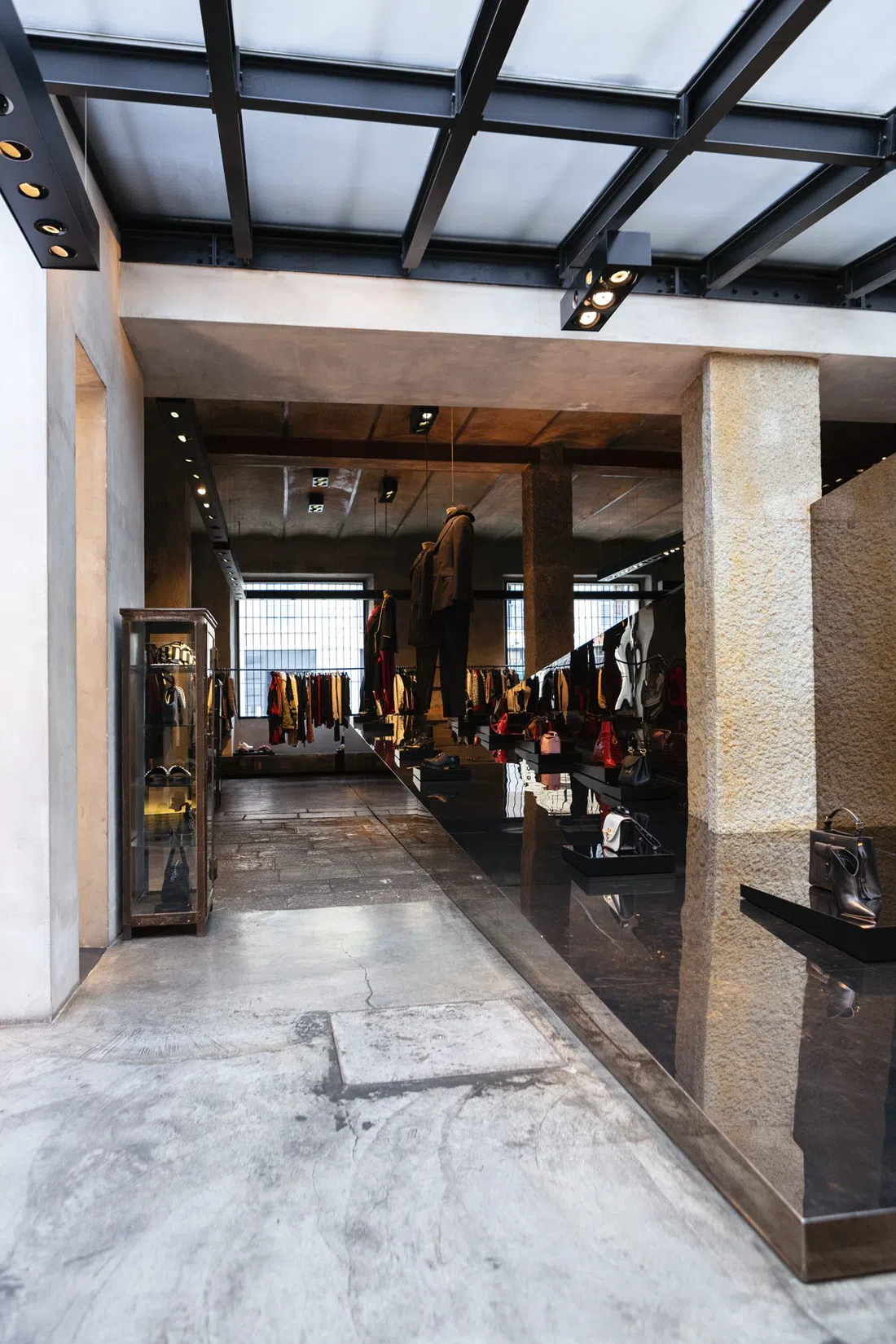
Biffi Boutiques (Navigli) is a real industry institution rather than a tourist-facing multibrand store — the kind of shop the editors who just left town were actually buying from during the shows. Walk-in, small groups comfortable, €€€€. Go here if you want the multibrand experience without the outlet-mall energy.
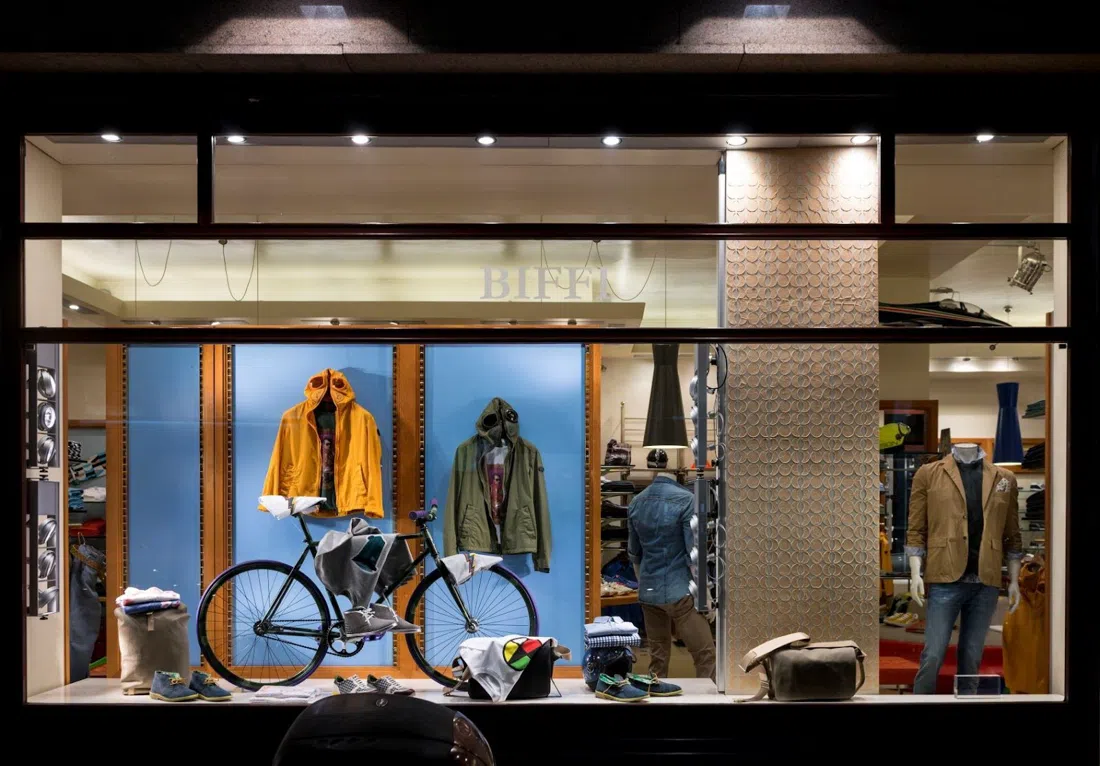
Bivio Milano has multiple locations across the city and was Milan's first resale shop — still the benchmark for designer consignment. Because its stock turns over from the very people who worked the shows, the aftermath angle isn't a marketing line here, it's literally how the shop is stocked. Walk-in, small-group friendly, €€ resale pricing, and a good stop if you want post-show pieces without post-show prices.
Vintage and Archive: Where Stylists Actually Pull References
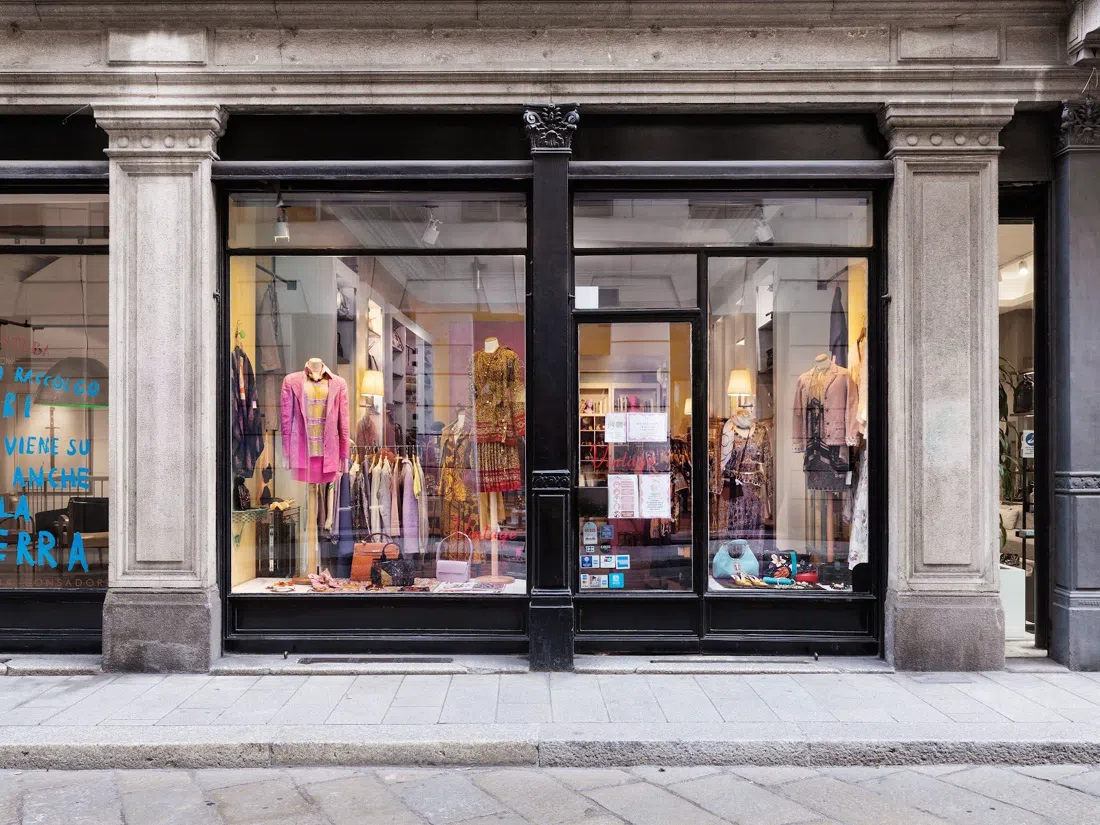
Cavalli e Nastri is Milan's reference vintage house, with a flagship in Brera and additional locations elsewhere in the city — this is where stylists and buyers shop between seasons for archive pieces, not the tourist-grade vintage you find near the Duomo. The shops themselves are compact, so if you're travelling in a larger party, split across the three locations rather than trying to fit everyone into one. Walk-in, €€-€€€.
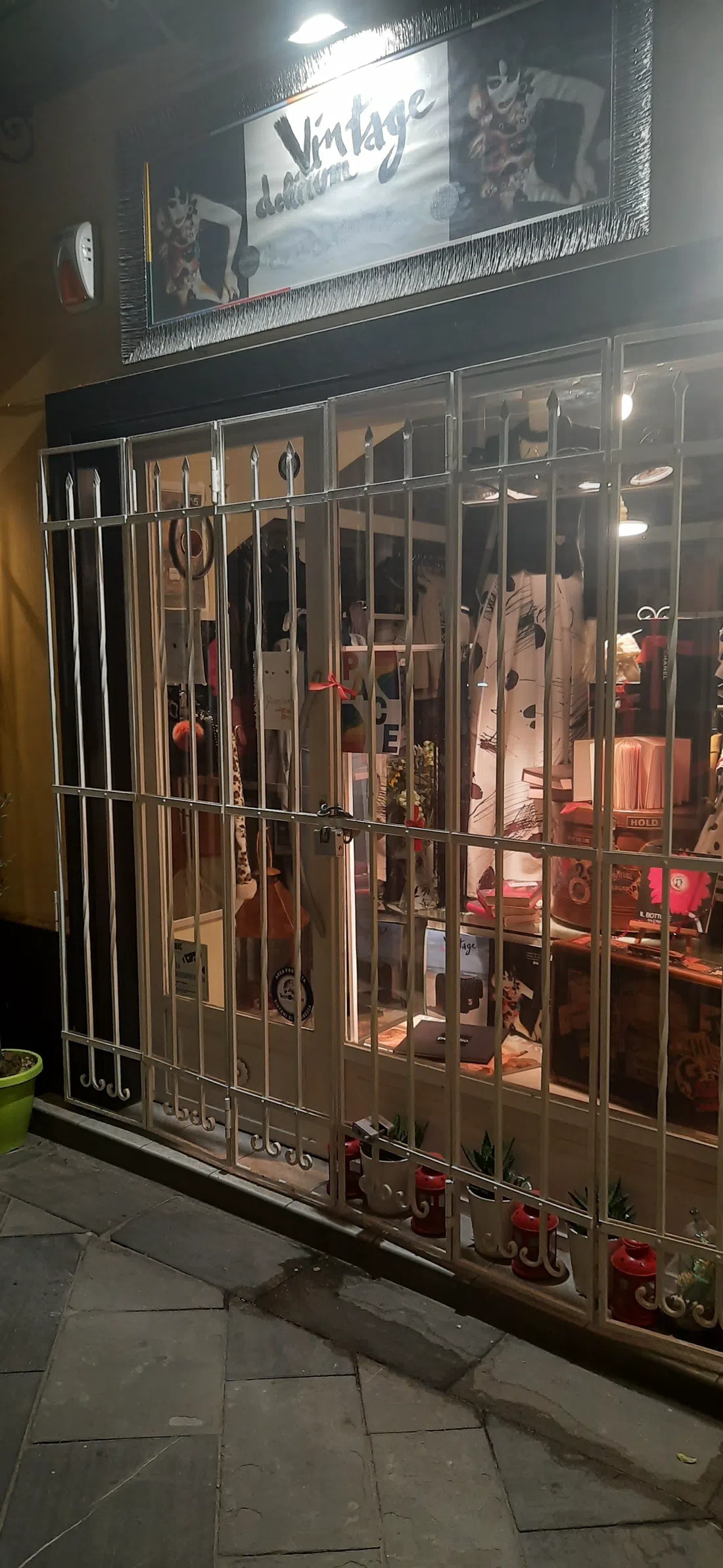
Vintage Delirium by Franco Jacassi (Navigli) is the industry's actual secret archive, and it's run accordingly: Saturday visits and larger groups need to be arranged by appointment or phone in advance, no walk-ins. This is where design teams come to pull references, which is exactly the insider detail a fashion-week aftermath story needs — call ahead, don't just show up. €€€ by appointment.
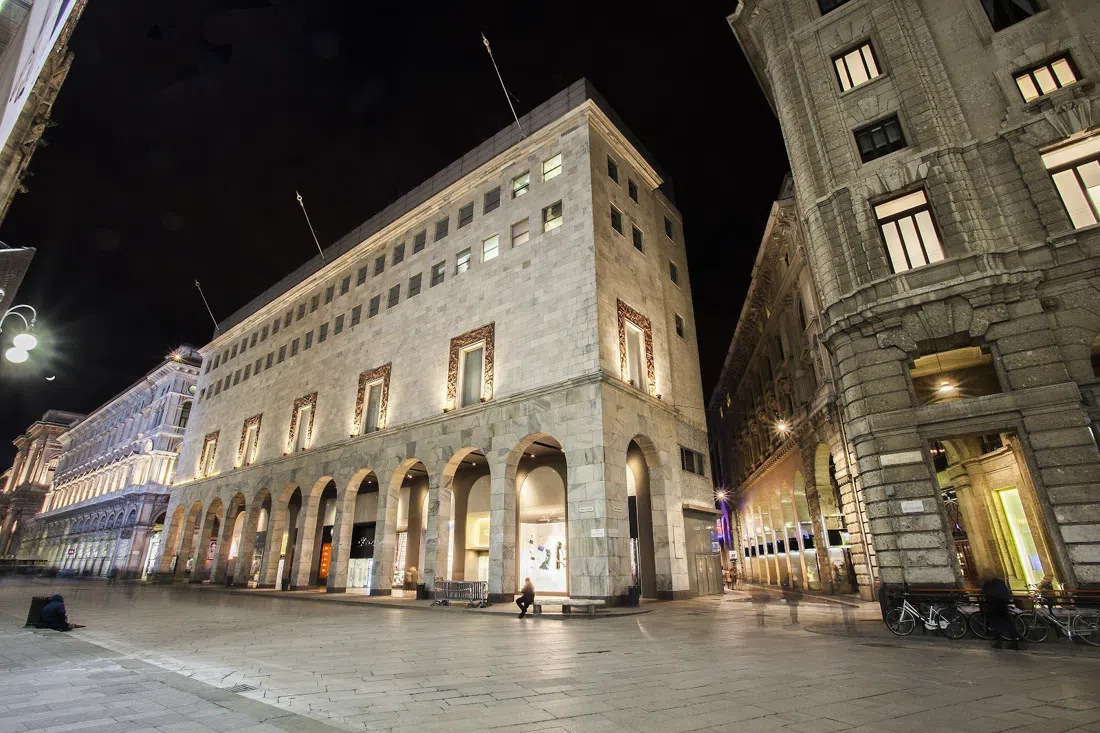
A.N.G.E.L.O. Vintage at La Rinascente (Piazza Duomo) pairs a genuine 1978-founded vintage specialist with the best rooftop view in the city, which makes it the easiest stop on this list logistically — it's inside a full department store, so groups can browse and then regroup on the terrace without anyone getting lost. Walk-in, €€-€€€, and a sensible first or last stop if you're short on time.
Concept Stores, an Archive, and the Actual Post-Show Hangout
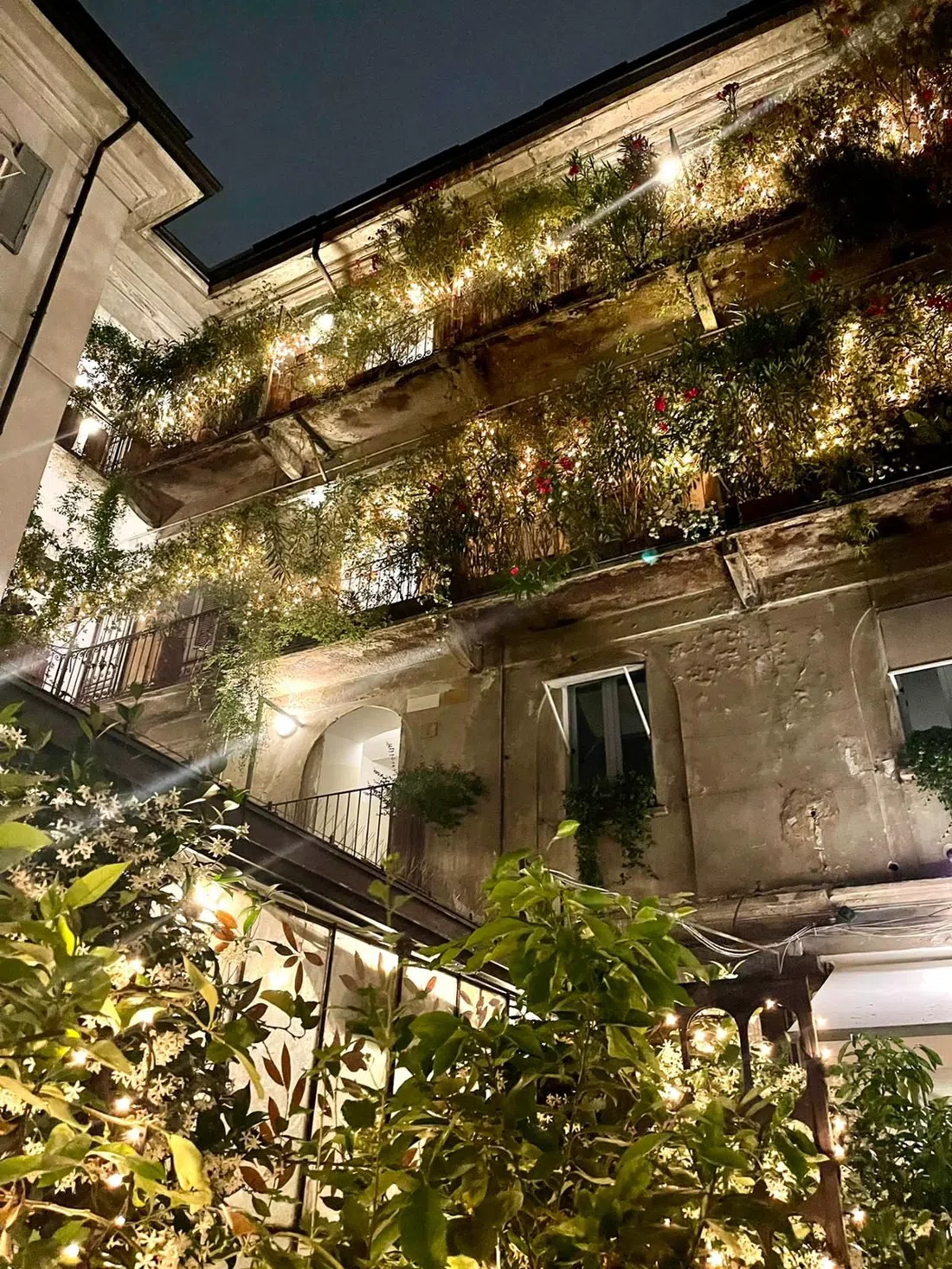
10 Corso Como (Porta Garibaldi) is Milan's original fashion-and-art concept store, relaunched in 2026 under Tiziana Fausti with a rotating multidisciplinary program — and it's still where the industry itself unwinds after a show closes. Groups are welcome in the courtyard café, but keep gallery viewing to small clusters so you're not blocking sightlines for other visitors. €€€, walk-in.
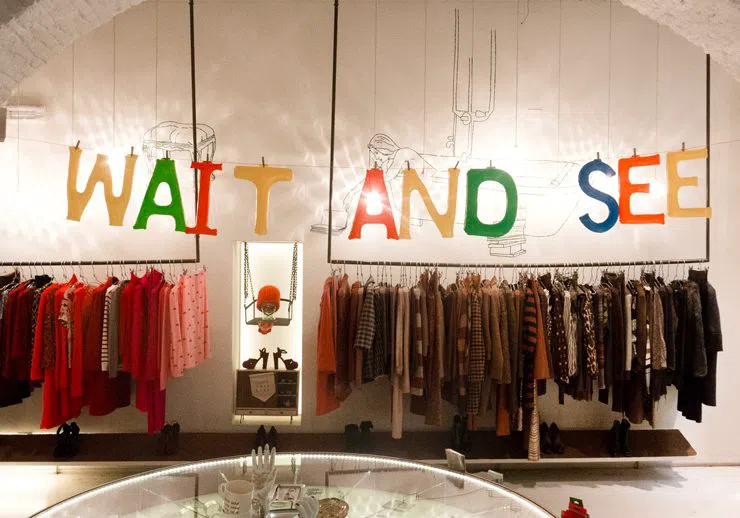
Wait and See occupies a former convent near the Ticinese district and has been championing emerging Milanese talent since well before the big houses noticed them — the natural stop if you want the “what's next” half of this story rather than only the archive half. The rooms are intimate, so small groups suit it best. Walk-in, €€.
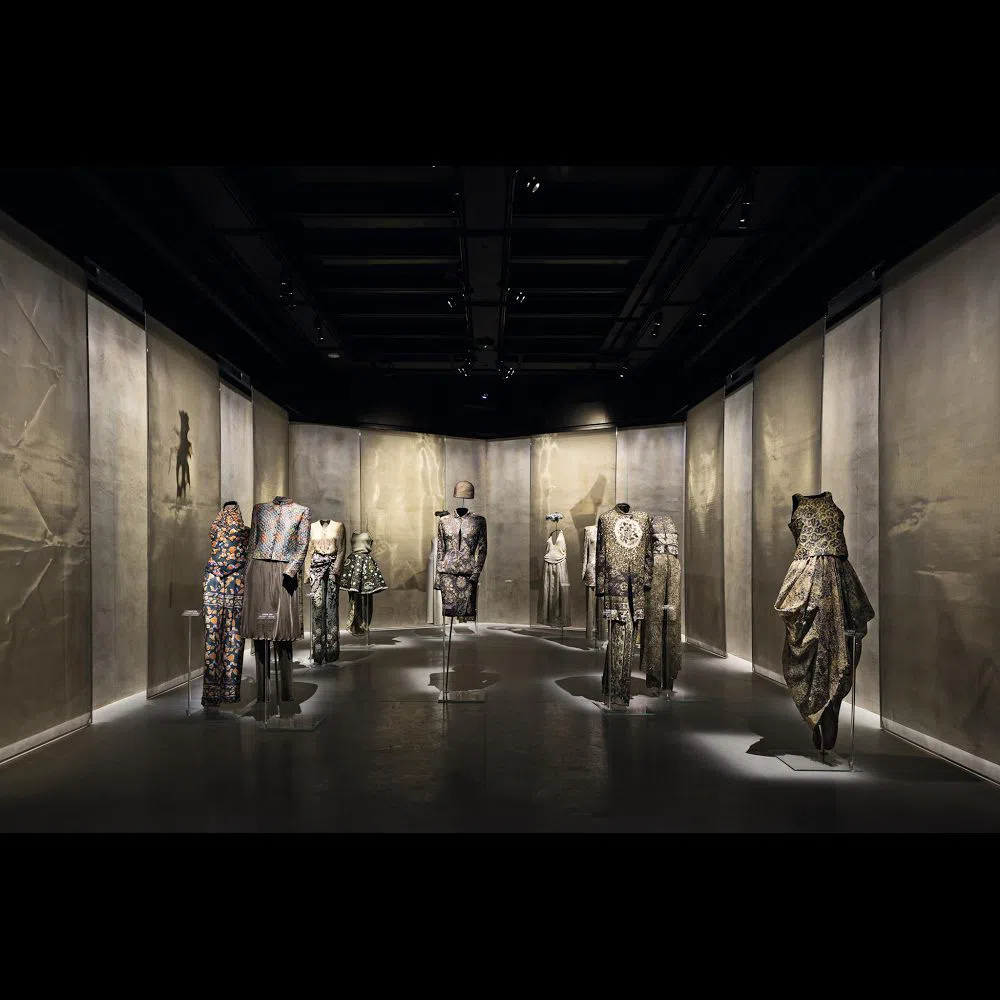
Armani/Silos (Tortona) is a museum, not a shop, but it belongs on this list precisely because of the timing: the industrial Tortona district empties out once the showgoers leave, and that's exactly when this archive of four decades of Armani runway pieces is calmest to actually see. Guided group tours are bookable through the museum and third-party operators; admission is €, making it one of the cheapest and most substantial stops on this itinerary.
The Anti-Showroom: Bespoke Tailoring
A. Caraceni (Brera) is the deliberate counterpoint to everything else on this list — no rails of finished stock, no discount rack, just the hand-cutting process behind Milanese tailoring that outlasts every season's trends. Visits are appointment only, though the atelier can arrange small groups of two to four directly. Pricing is bespoke, on request (€€€€ and up), and this is not a browsing stop — go if you actually want to understand how the clothes on the runway got made, not to shop.
Sample Sales, Properly Organised
Milano Sample Sale is the direct, organised version of the fashion-week sample sale rather than the word-of-mouth version — registration is free but required in advance, with group registration handled per event. Stock runs 60-80% off. The catch is that dates and host venues rotate through the year, so check their live schedule before you travel rather than assuming there's an event running whenever you happen to be in town.
Getting Around, Cash, Timing and Budget
Milan's metro covers most of this list well — the Quadrilatero, Duomo, Brera and Porta Garibaldi stops are all central, while Tortona and Navigli are a short ride further out on the same network. Budget a full day if you're trying to combine an outlet run with vintage shopping, since Il Salvagente and DMAG Outlet sit in a different part of the city from the Navigli and Brera clusters.
Carry some cash for the smaller vintage shops and appointment-only ateliers — card is standard at the bigger outlets and department stores, but Vintage Delirium and similar back-room operations are exactly the kind of places where a card reader can be an afterthought. Call ahead for anything marked appointment-only; Milan's independent ateliers are not set up for walk-ins the way the outlets are, and turning up unannounced at A. Caraceni or Vintage Delirium will get you turned away politely.
On budget: a single day mixing an outlet (€€) with one vintage stop (€€-€€€) and lunch is realistic for most travellers without needing a fashion-industry budget. Add A. Caraceni or a genuine bespoke commission and the number changes entirely — that's a considered purchase, not an impulse buy. If you're building a longer stay around this itinerary, a Milan hotel search near Brera or the Duomo puts you within walking distance of half this list, and the broader Milan guide covers where to eat and sleep between shopping stops.
Time it right and this is one of the most honest ways to experience Milan's fashion identity — not the four days when the cameras are pointed at the tents, but the six weeks after, when the city quietly sells you what actually walked.