
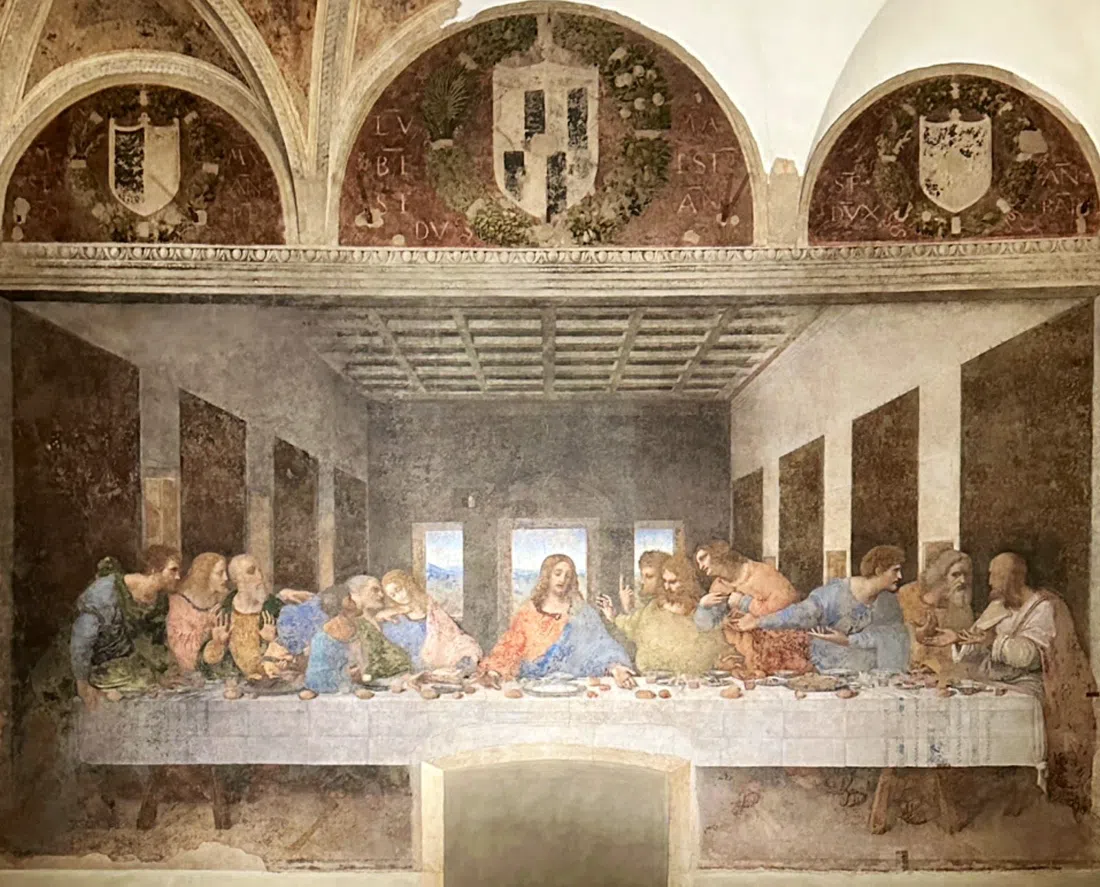
Fifteen minutes is what you get with Leonardo da Vinci's Last Supper once the airlock doors seal behind you — and for most visitors to Milan in 2026, securing that quarter-hour is the hardest booking in the city. The fresco almost didn't survive to give anyone even that: a 21-year restoration pulled it back from a slow chemical death, and the church that houses it tells that story better than any label inside the viewing room. This is how to get the slot, understand what you're actually looking at, and build an afternoon around it without queuing twice.
The Ticket That Decides Everything Else
Museo del Cenacolo Vinciano (Leonardo's Last Supper), in the Magenta quarter just west of the centre, is not a museum you wander into. Entry is by 15-minute timed slot, capped at a small number of visitors at a time so the fresco's climate stays stable — the same conservation logic that drove the restoration in the first place. General online tickets are released in quarterly batches, and they sell out within minutes of going live, often for dates weeks or months out. If you know your Milan dates, check the Vivaticket release calendar the moment it's announced and book the instant the window opens; there is no waitlist and no walk-up option that reliably works.
Adult tickets are €15 plus a booking fee, €2 for visitors aged 18–25, and free for under-18s — though a reservation is still required even for free entry, so don't assume you can bring children along unbooked. Small groups of up to nine can book by phone (+39 02 92800360) or by emailing [email protected]; larger groups of ten or more need to go through that same email well in advance, since group slots are allocated separately from the general release. Whichever route you take, book this first and build the rest of your Milan itinerary around whatever slot you get, not the other way round.
The Church the Ticket Desk Makes You Forget
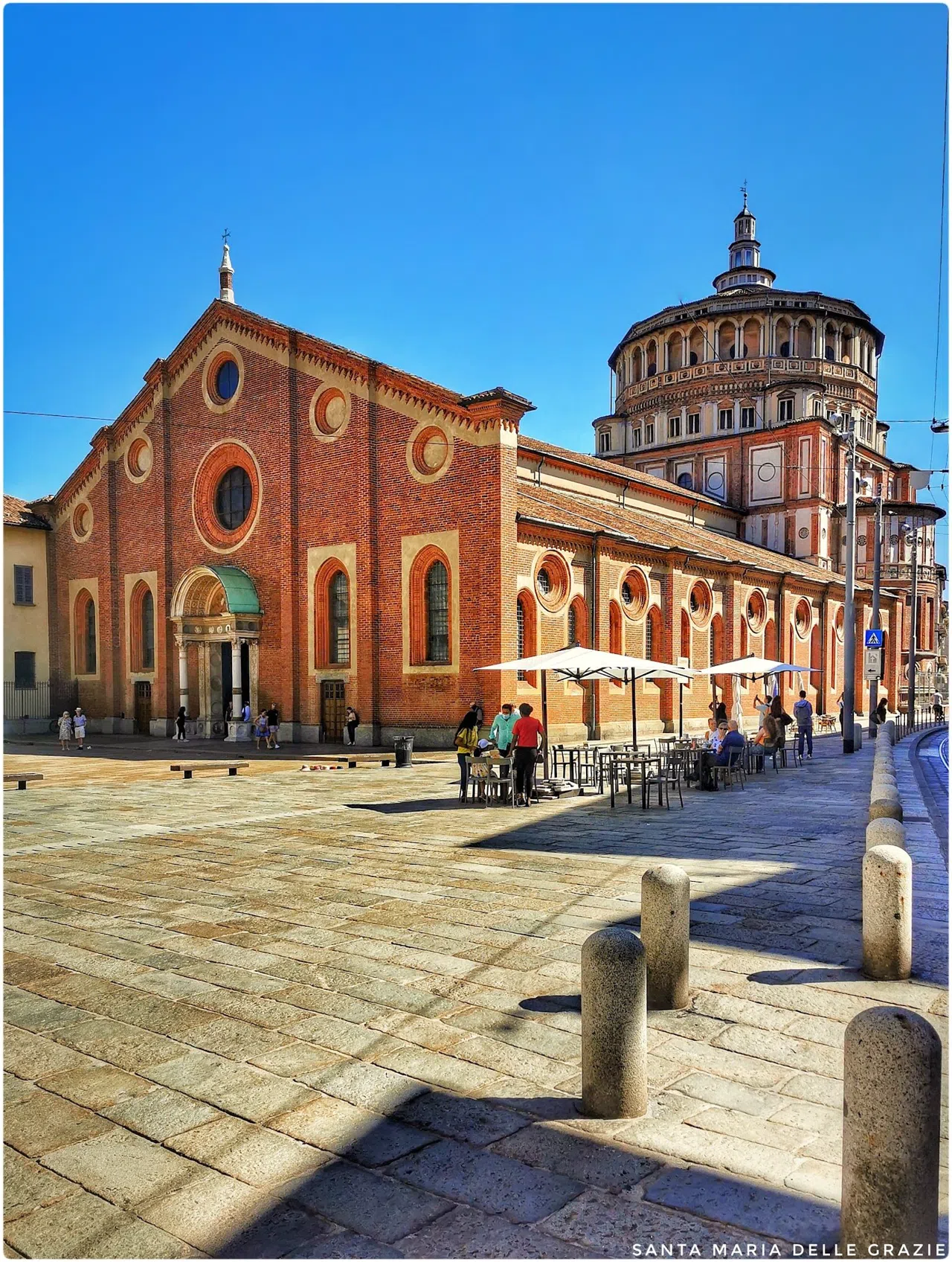
Most visitors funnel straight from the street to the Cenacolo's airlock and back out again without ever registering that they've walked past one of Lombardy's most important Renaissance buildings. Chiesa di Santa Maria delle Grazie is free to enter, with no booking required for individual visitors, and it's where the restoration story actually starts making sense. The fresco occupies the refectory wall of what was, in the late 1400s, a working Dominican convent — Leonardo painted directly onto dry plaster rather than using true fresco technique, which is precisely why the paint began flaking within years of completion, and why generations of well-meaning repainting jobs made things steadily worse rather than better.
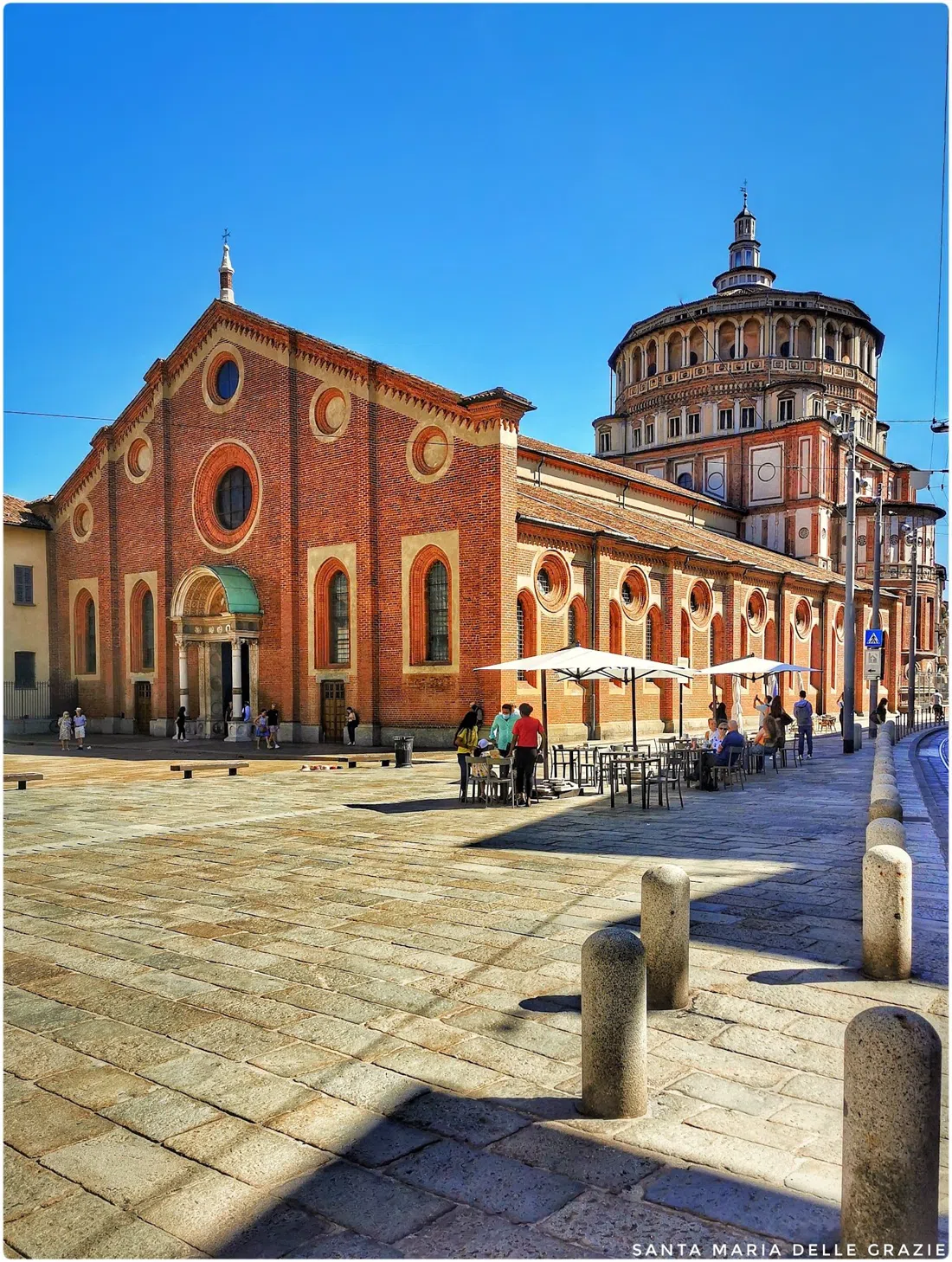
That slow decline is what the restorer Pinin Brambilla Barcilon spent 21 years reversing, from 1977 until the fresco's public unveiling on 28 May 1999 — stripping back centuries of overpaint, glue, and prior "restorations" millimetre by millimetre to recover what was actually Leonardo's hand underneath. Standing in the Grazie complex, with the tribune Bramante added to the church a decade after the fresco, gives that history somewhere to live beyond a museum wall label. The whole site is a UNESCO World Heritage listing for exactly this reason. Groups are welcome, but should time their visit around Mass rather than assume the church operates purely as a sightseeing stop.
Let Someone Else Fight the Booking Calendar
If the idea of refreshing a ticket page at a precise release time sounds like a bad use of a holiday, two operators solve the problem in different ways depending on what you actually want out of the visit.
City Wonders runs a Milan Duomo & Last Supper Skip-the-Line Tour built for groups — up to about 14 people per guide, with every name submitted to the Cenacolo in advance because the entry ticket is personalised and non-transferable. It runs roughly €90–120 per person for the combined Duomo and Last Supper itinerary and is the most reliable way to guarantee a slot if you're travelling with family or friends and don't want to gamble on the Vivaticket release window. The tour moves at tour-group pace — efficient, but not built for lingering.
Context Travel takes the opposite approach with Da Vinci in Depth: The Last Supper, deliberately capped at six travellers per scholar-led group, priced around $120–150 per person. This is the pick if the restoration story is the reason you're reading this article: their docents go into Brambilla Barcilon's cleaning process in real depth rather than reciting the usual facts about the Last Supper's composition and symbolism. It suits couples and small groups who want the fifteen minutes inside the viewing room to mean something more than a photograph.
Milan's Other Sistine Chapel, Two Minutes Away
Here's the scoop most guidebooks miss entirely: San Maurizio al Monastero Maggiore sits barely two minutes' walk from the Cenacolo ticket queue, and it is arguably the more visually overwhelming interior of the two. Locals call it Milan's "other Sistine Chapel" — every surface of the nuns' hall is covered in frescoes by Bernardino Luini, a student of Leonardo, painted with a density and colour palette that the Last Supper itself, faded by centuries of decay, simply can't match anymore.
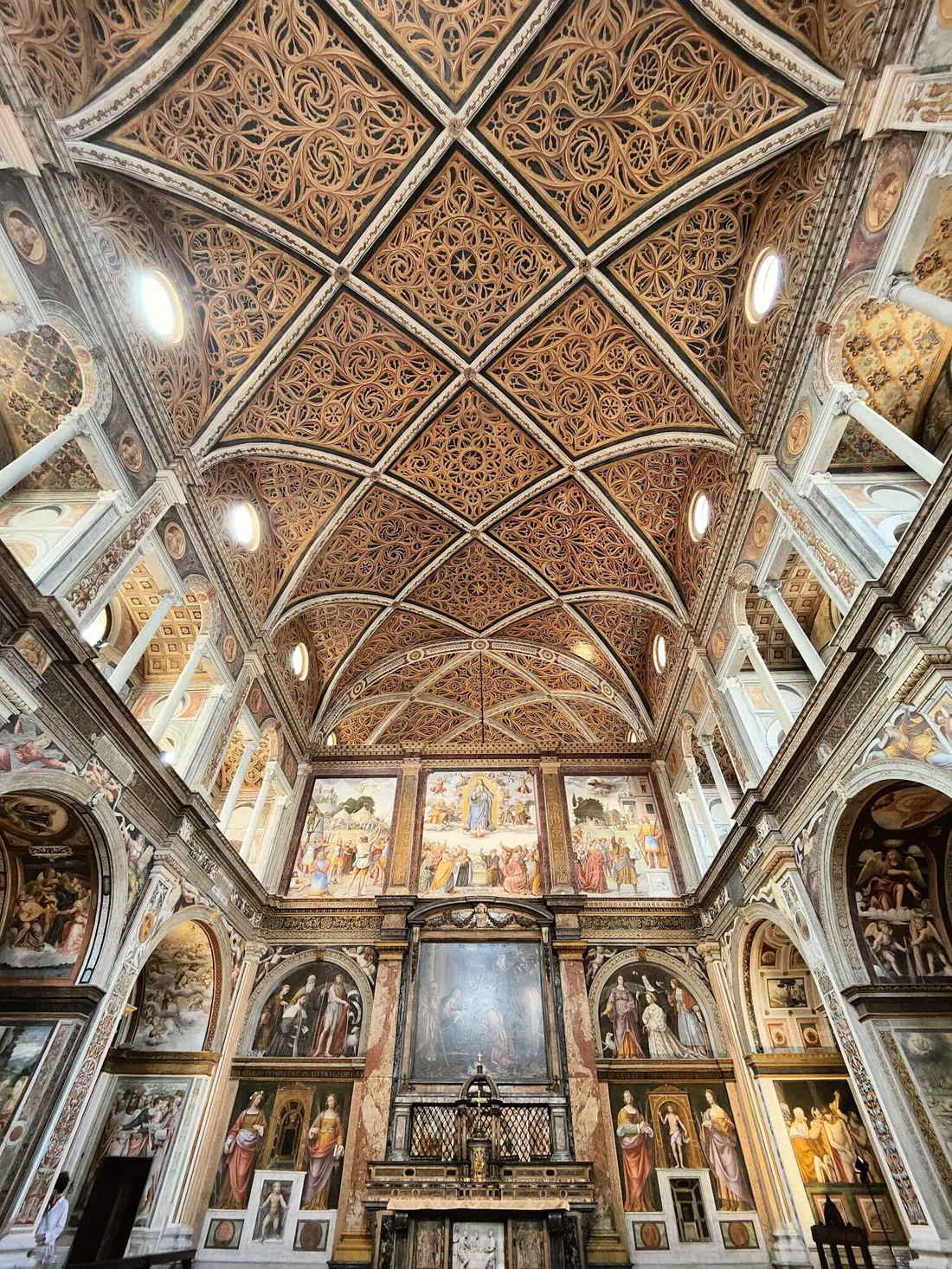
Entry is free for individual visitors and requires no advance booking at all, which makes it the obvious no-crowd companion stop while you're waiting for your Cenacolo slot or decompressing afterwards. Groups of eight or more are the exception: they need a reserved slot booked through Aster by the Friday before, with fixed entry times at 10am, 11am, 12pm, 2:15pm, 3:15pm, and 4:15pm. For everyone else, just walk in.
More Leonardo Without Another Timed Queue
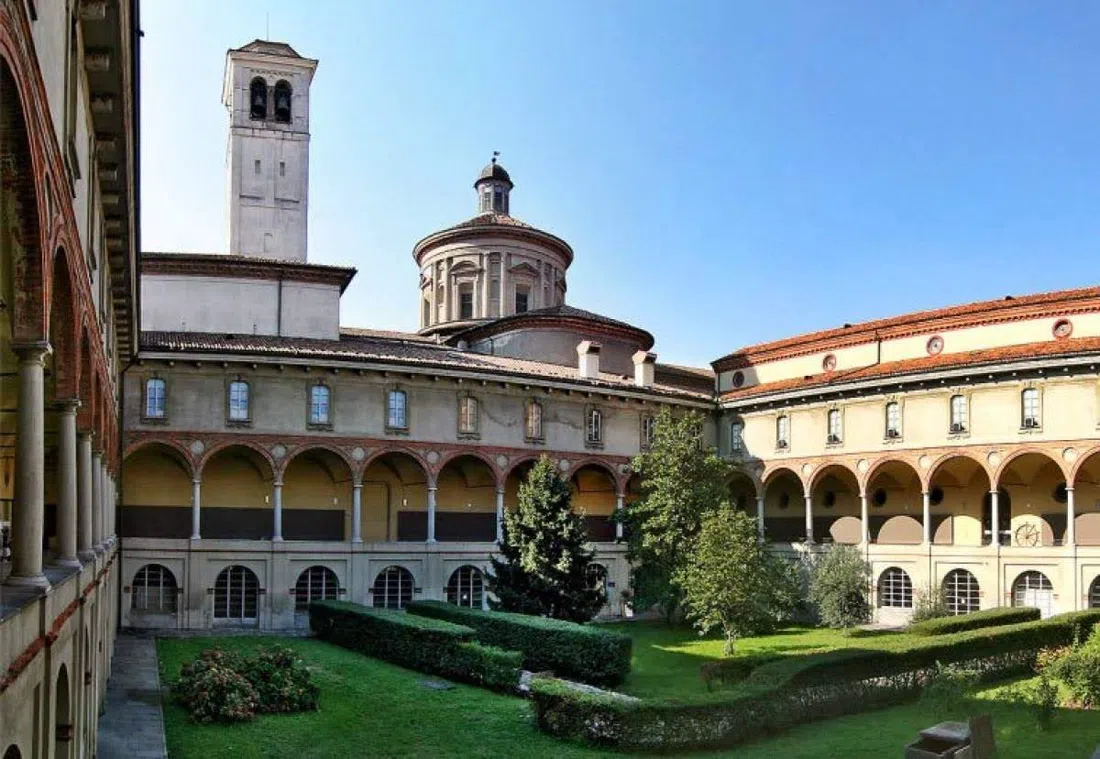
For readers who want to go deeper on Leonardo the engineer and inventor rather than just Leonardo the painter, the Museo Nazionale della Scienza e della Tecnologia Leonardo da Vinci sits a short walk south toward the Sant'Ambrogio quarter. It's a genuinely large science and technology museum with dedicated Leonardo galleries covering his mechanical drawings and models, and — unlike the Cenacolo — it takes school and tour groups routinely without demanding advance booking outside peak season. Adult admission is €10, concession €7.50. It's a natural second Leonardo stop for families who've already burned their patience on one timed-entry queue for the day.
Rounding Out the Afternoon
Two further stops extend the day naturally if you're not rushing to a train.
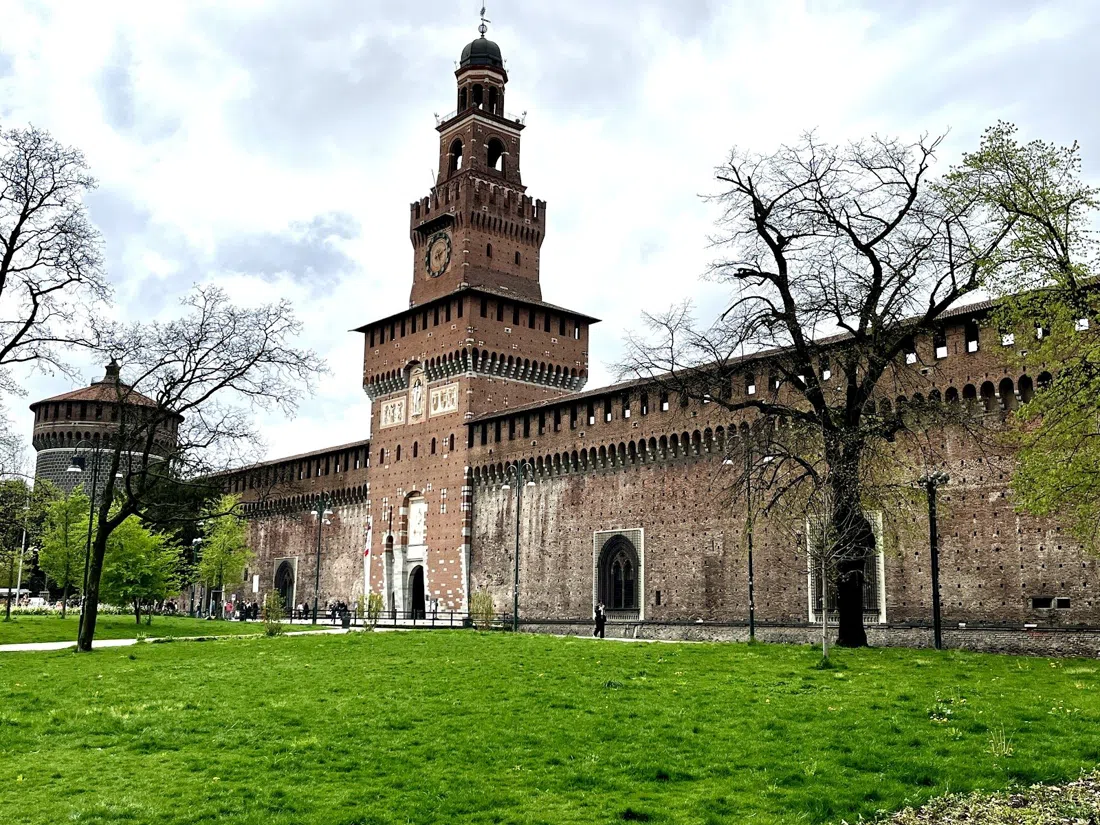
Castello Sforzesco, back toward the city centre near Cairoli, handles large groups easily and costs nothing to enter the courtyards — only the internal museums are ticketed, at roughly €5–10, with half-price entry after 5:30pm through August 2026. One honest caveat: the castle's other Leonardo highlight, the ceiling fresco in the Sala delle Asse, is normally obscured by ongoing restoration scaffolding. Don't build an itinerary around seeing it unless you've specifically confirmed the special viewing window tied to the 2026 Winter Olympics is still running when you visit — outside that, it's a closed sight, not a walk-in one.
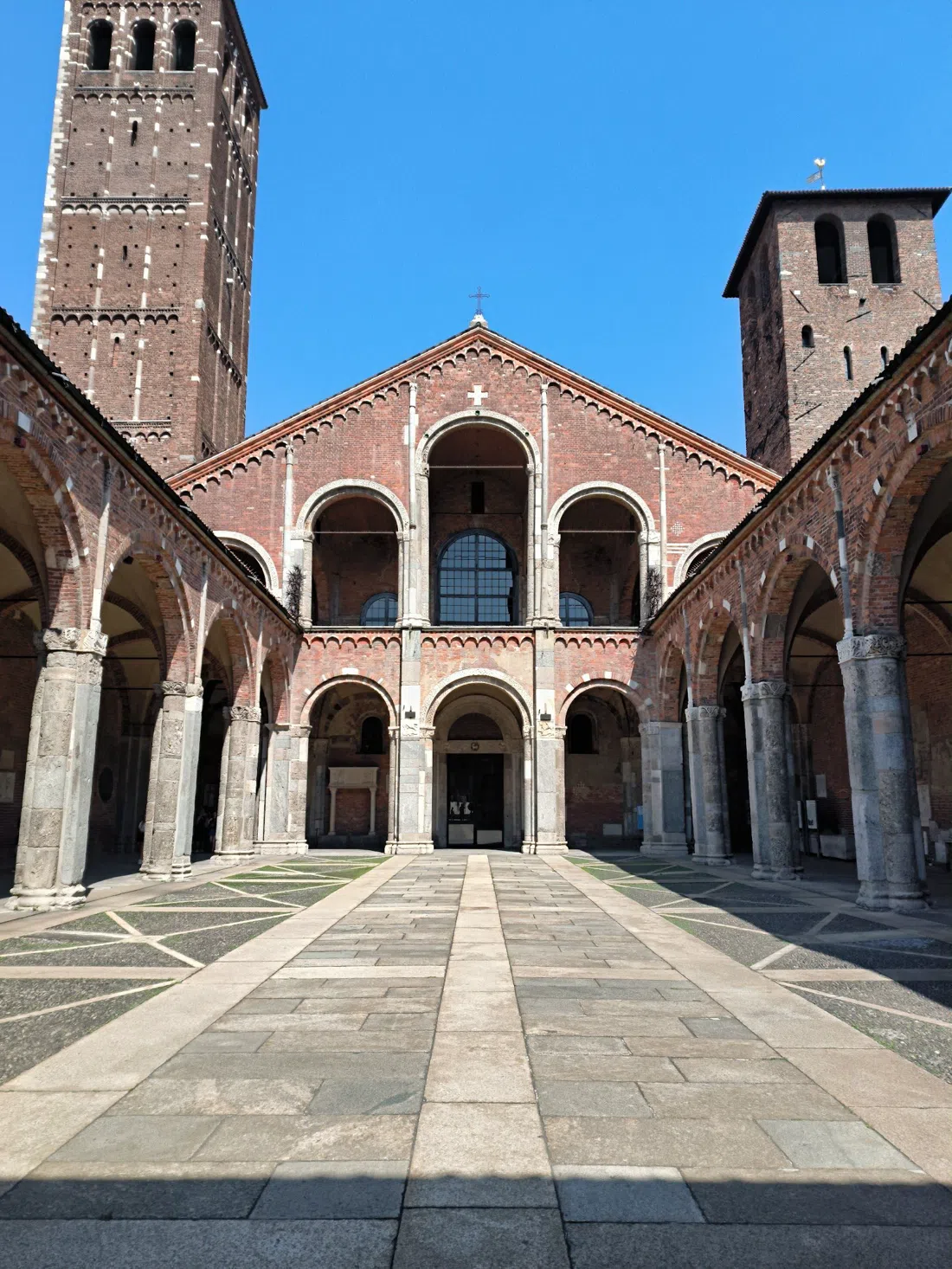
Basilica di Sant'Ambrogio, in the quarter of the same name, is free and gives the day a proper Romanesque counterpoint to all the Renaissance you've just seen — one of Milan's oldest churches, with an atrium that predates the Cenacolo by five centuries. Hours shift around Mass, so tour groups in particular should check timing before planning a stop.
Coffee First, Dinner After
Timing a 15-minute museum slot means building slack on either side of it, and two venues handle that well.
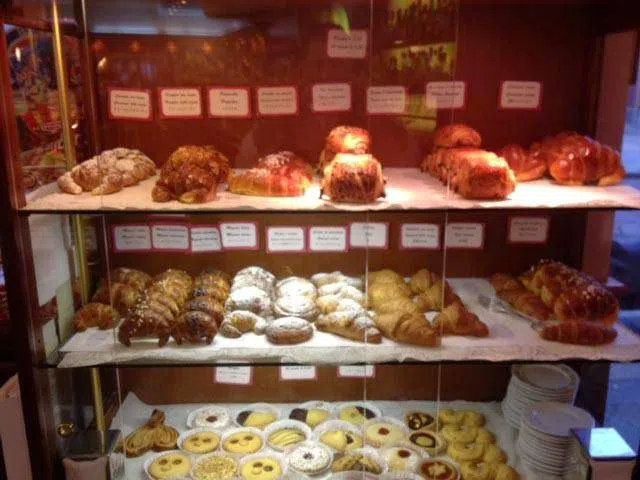
Caffè Le Grazie sits literally opposite the Cenacolo entrance — a casual, walk-in spot for coffee and a pastry that's ideal for killing the last twenty minutes before your slot without wandering far. It's budget-friendly and not the kind of place that needs a reservation, even for a small group.
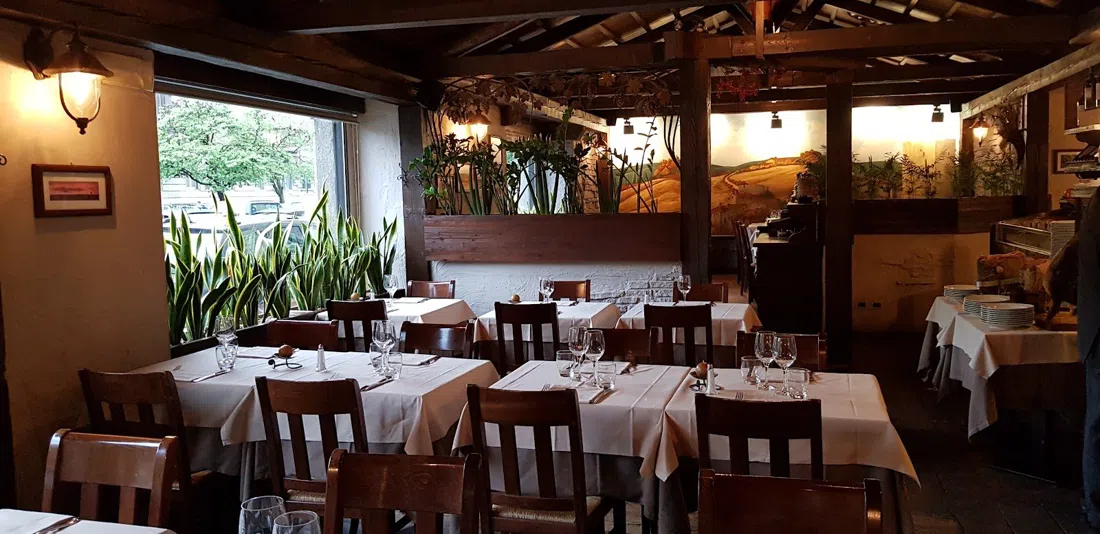
For dinner once the crowds have thinned, L'Uccellina is a Tuscan grill that takes reservations and is worth booking ahead for, especially on weekend evenings. Steaks are priced by weight and sit at the higher end for the area, but it's a reliable way to close out a day built around one very small, very intense room.
Getting There, Timing It, and What to Budget
The Cenacolo and Santa Maria delle Grazie are a short walk from Cadorna (M1/M2) or Conciliazione (M1) metro stations; trams also run along Corso Magenta directly past the church. Arrive at least fifteen minutes before your booked slot — late arrivals are not held, and the airlock system means there's no flexibility once a group's turn starts. Most sites in this guide take cards, but keep a little cash on hand for the smaller cafés and for any Mass-time donation boxes at the churches.
For timing, book the Cenacolo first and treat everything else as flexible around it — the fresco slot is the one constraint you can't negotiate. Morning slots tend to feel calmer than midday ones, and pairing an early Cenacolo booking with San Maurizio al Monastero Maggiore immediately after makes for the quietest possible version of this itinerary. Budget-wise, a couple doing the self-booked route (Cenacolo tickets, coffee, museum entries, dinner) can expect to spend somewhere in the €80–150 range for the day excluding accommodation; add the guided-tour options and that rises toward €200–300 per person. If you're still sorting out where to stay, start with a Milan hotel search, and for the rest of the city beyond this itinerary, the full Milan guide covers what to do with the days on either side of this one.