By eight in the morning, Milan is standing up. Not lounging, not scrolling: standing at zinc and marble counters across the city, a shot glass of espresso gone in three sips, a coin or two changing hands, the next customer already ordering before the first has swallowed. This is the ritual the rest of the world borrowed and diluted into a lifestyle: in Milan, coffee is still fast, cheap, and non-negotiable, and tracing it from the grand nineteenth-century caffès to the newest specialty labs tells you more about how this city runs than any museum does.
The Grand Historic Caffès Where the Ritual Was Written
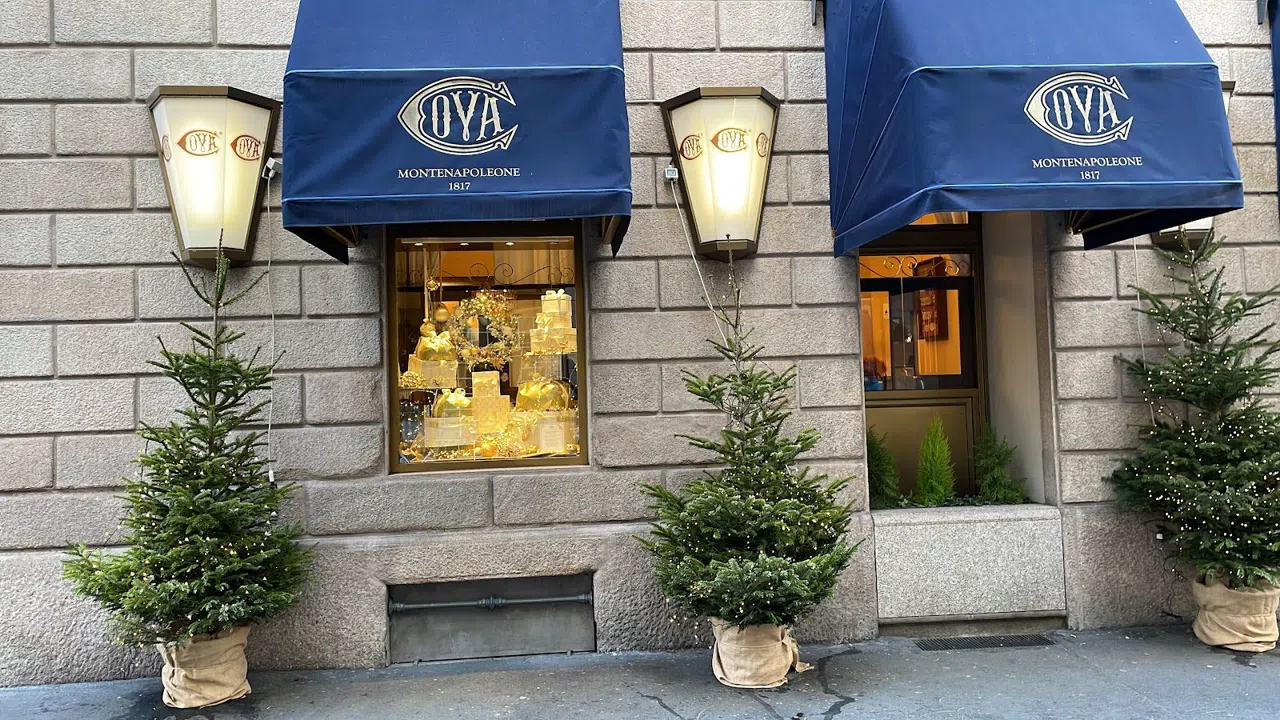
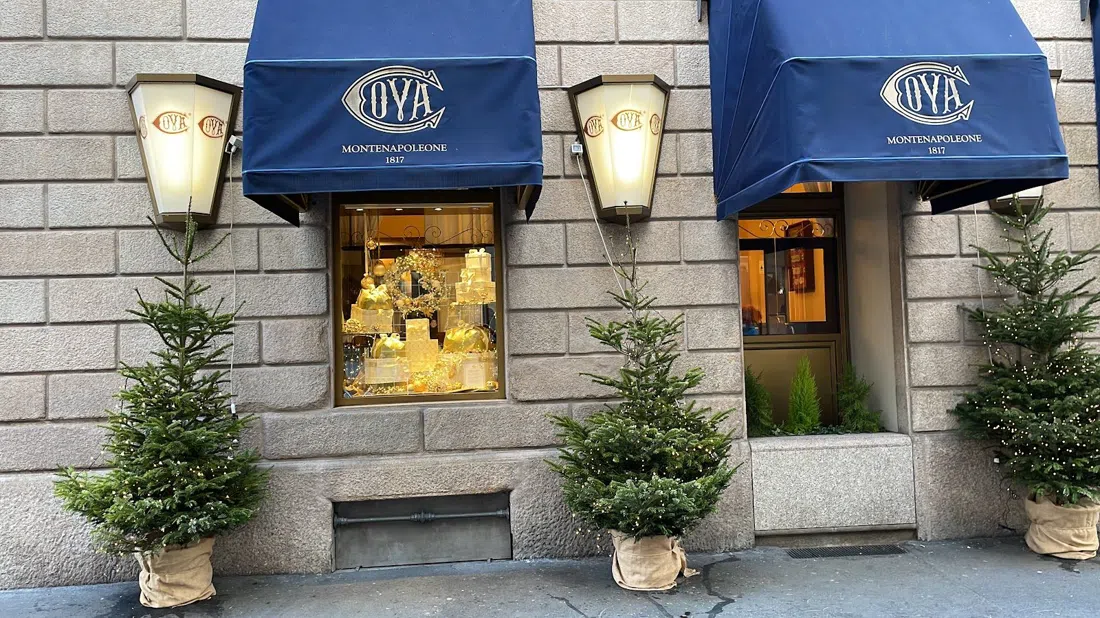
Start with Cova Montenapoleone, in the Quadrilatero della Moda (the fashion quarter it predates by roughly two centuries). It's the oldest name in Milanese coffee culture, and it shows in the china, the marble counter, and the queue of shoppers with garment bags who stop for ninety seconds between boutiques. Counter service is fast but genuinely tight: fine for two to four people standing shoulder to shoulder, but if you're bringing a bigger group, book the seated salon in advance rather than trying to colonize the bar. Expect €€€: this is grand-caffè pricing, not neighbourhood-bar pricing, and nobody here pretends otherwise.
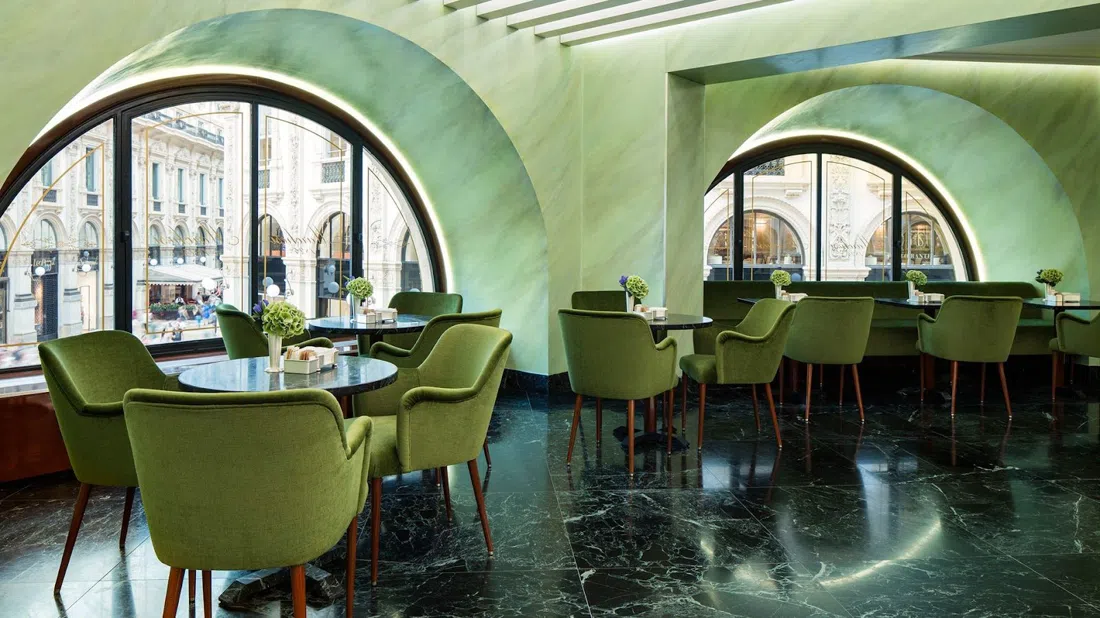
A few minutes' walk away, Marchesi 1824 has become the Quadrilatero's other essential stop since Prada bought the 1824 pastry house and gave it a discreet, monied refit. The counter is built for a quick espresso and a bite of brioche (order, eat standing, pay, leave), while the adjoining salon takes small groups by reservation if you want to sit. It's €€€ here too, and worth doing once for the theatre of the room alone, but this is a stop for the ritual, not a leisurely breakfast.
South toward San Babila, Sant Ambroeus has run the counter-to-dining-room split since 1936, reimagined in 2022 without losing what made it Milan's most photographed caffè-pasticceria. The marble counter is still where the fast trade happens, and the dining room is where you sit if your party runs to four or more. Be warned it books out for weekend brunch, so this is a weekday-morning stop if speed is the actual point. €€€, and it earns it.
Nearby, Taveggia 1909 is the quieter, less-photographed cousin of the two above, a caffè with close to a century of continuous service that was saved from closure and is now run by an experienced pasticceria team from elsewhere in Italy who understood exactly what not to change. The counter does the quick trade, but there's a genuine back room of tables that makes it one of the more comfortable historic stops for a small group over breakfast: no scrum for standing room, no rush to vacate. €€, gentler on the wallet than its Quadrilatero neighbours.
Where a Group Can Actually Sit Down Together
If you're travelling with more than four people, most of the historic counters above will fight you. This is where to go instead.
Bar Luce, inside the Fondazione Prada complex near Porta Romana, is the one design coffee bar every visitor has already half-seen in photographs (pastel booths, terrazzo floor), and it happens to be the easiest venue on this entire trail for a group: casual, roomy, no reservation needed, and despite the Instagram reputation, it still pours a straight, honest Milanese espresso rather than a styled prop. €€, and a genuinely relaxed stop between gallery visits.
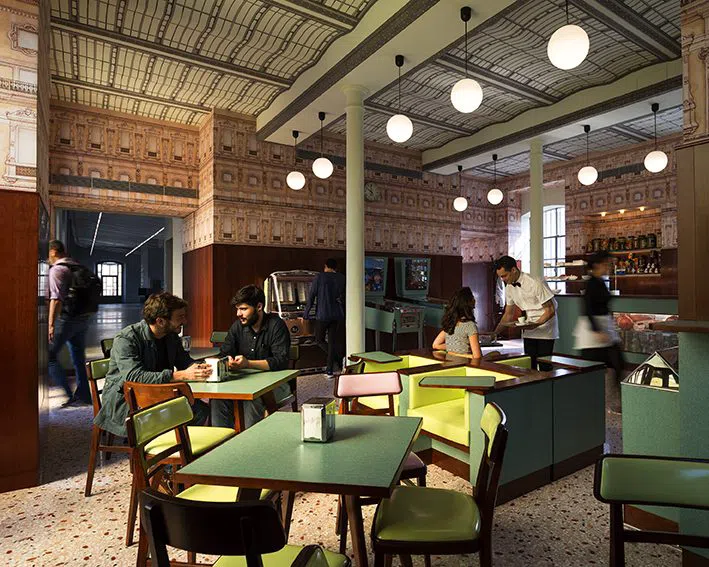
Princi, with its best-known counter near the Duomo, is the other group solution, and arguably the better one if you want to eat: Milan's bakery-as-coffee-bar model since 1986, with long shared tables, a grab-and-go counter, and zero booking required even for a crowd. It's loud, it's fast, bread comes out of the oven while you queue, and at €, it's the cheapest stop on the whole trail, the honest counterpoint to the marble-and-gilt caffès a few streets over.
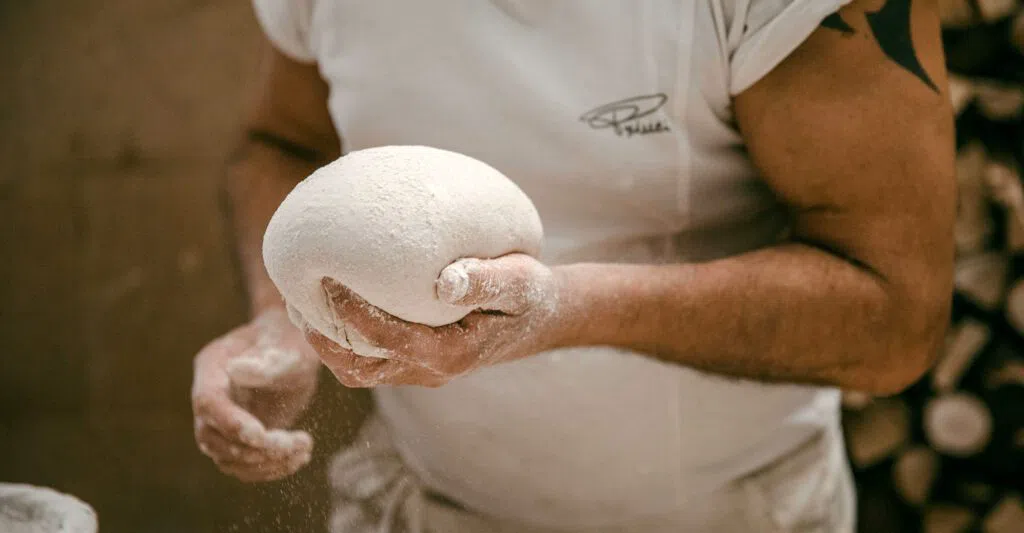
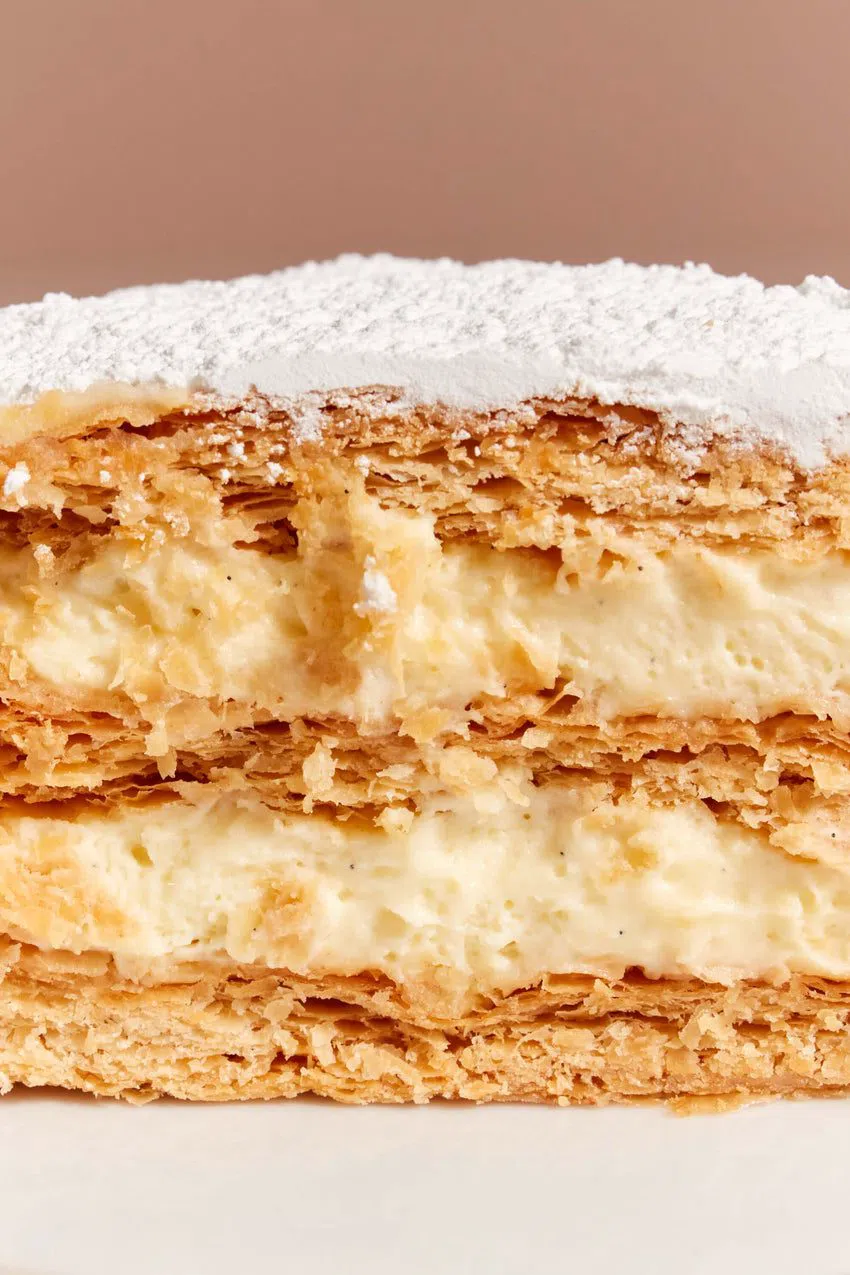
Toward the Navigli side of the centre, Pasticceria Gattullo is marking 65 years in 2026 under new ownership, and it remains the place locals send visitors to before they've even reached the historic centre proper. The counter plus small seating area handles groups of three to four comfortably, and the pull here is the millefoglie alongside the espresso: order both, this isn't a stop to rush. €€.
The Specialty Counters Where Milan Caught Up With Everyone Else
The historic caffès are the ritual's origin story; this is where the city is taking it next.
Cafezal Coffee Hub is Gambero Rosso's 2026 Best Roaster pick, and it's also, not coincidentally, the roomiest specialty stop in the city, a large-format space built with groups and events in mind rather than the standing-room orthodoxy of the old bars. If you want to bring six or eight people and actually sit and talk about the coffee rather than drink it in three sips and leave, this is the one on the list built for that. €€.
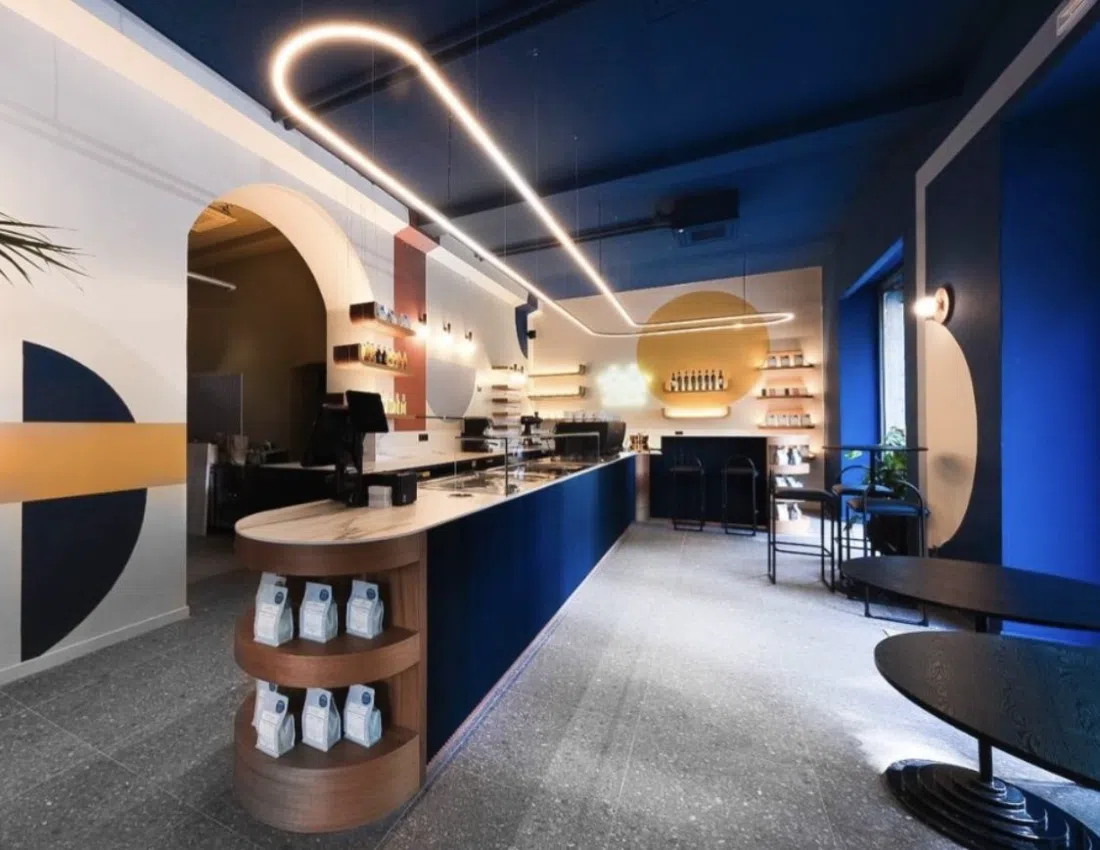
Orsonero Coffee is widely credited as the bar that started Milan's specialty scene in the first place, and it's still the benchmark filter pour in the city, but the space is small and counter-first, best for two to four, and a bigger group will end up spilling onto the pavement tables outside. That's not really a complaint; on a mild morning it's arguably the nicer seat. €€.
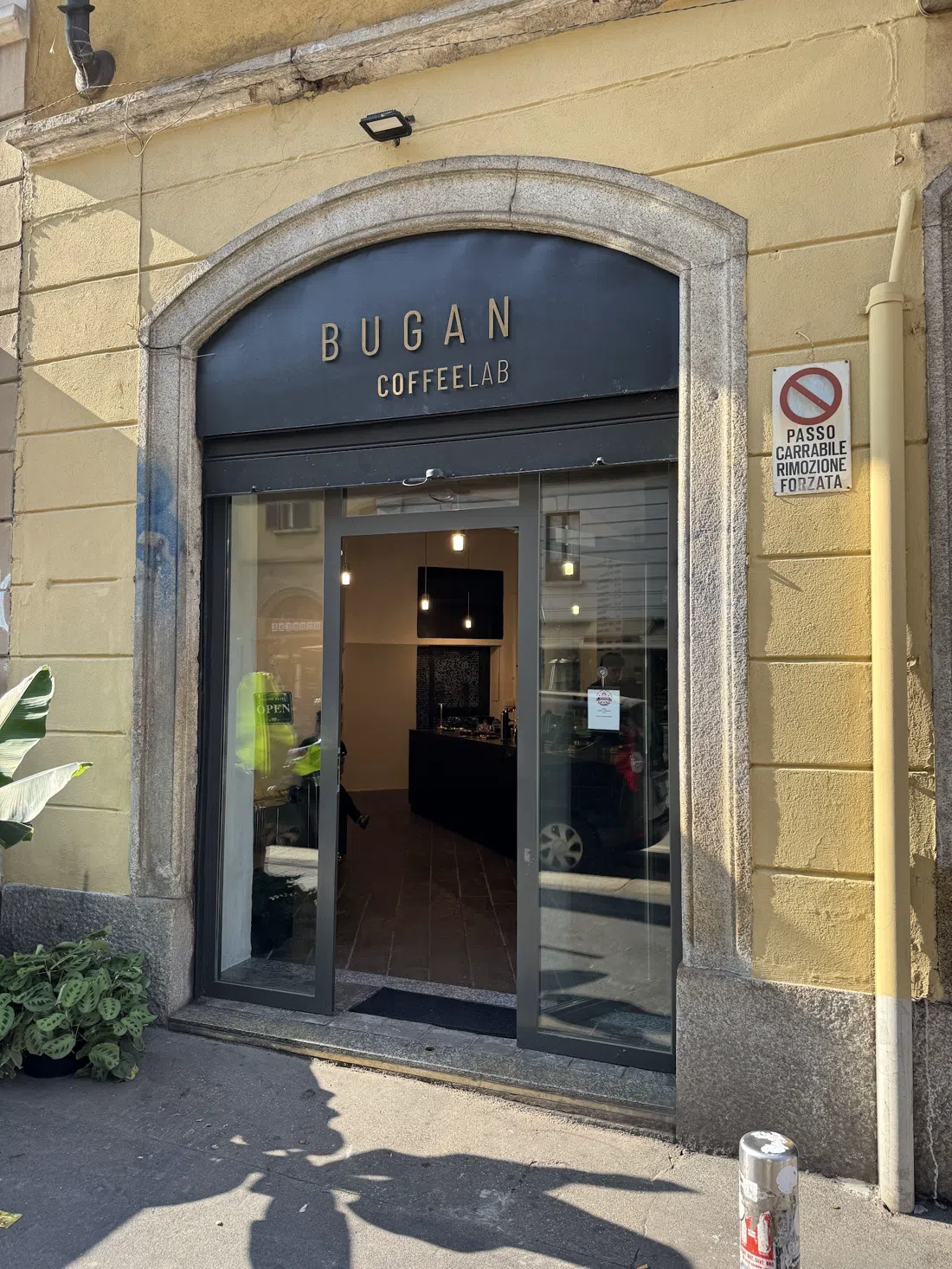
Bugan Coffee Lab bills itself as Italy's first roast-brew-research space under one roof, and it reads that way: a workshop-style layout that works well for small group tastings if you arrange it ahead of time rather than walking in cold. This is the stop for a reader who wants the process explained, not just the cup poured. €€.
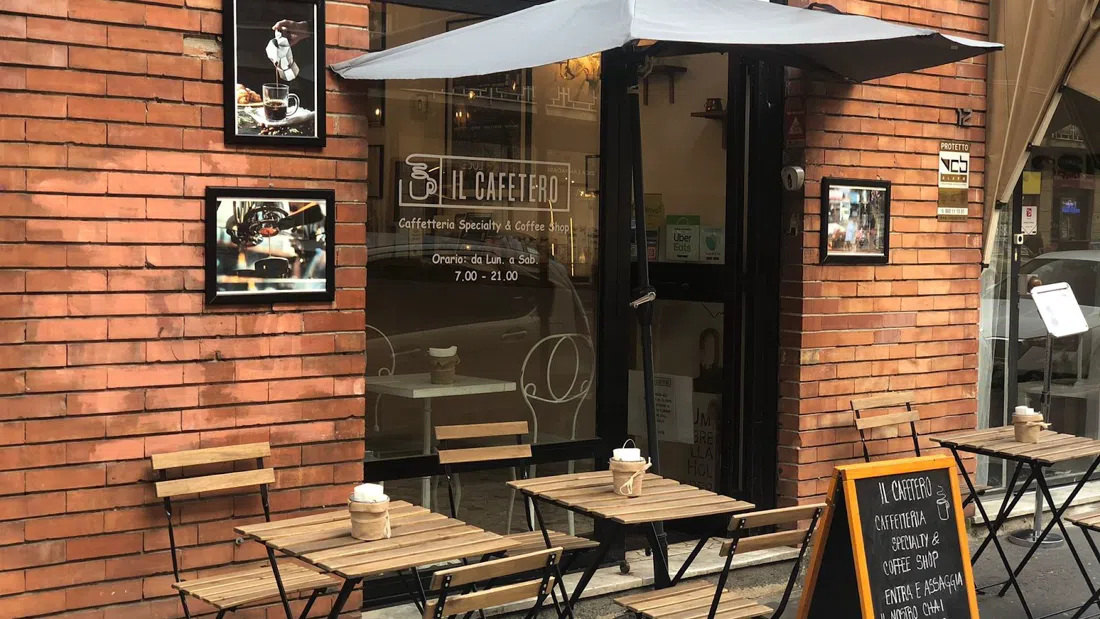
For something narrower still, Il Cafetero is a tiny micro-roastery and a rare Latin-American-owned counter on this trail, which means a direct, spoken line from the espresso in your hand back to the growers who picked it: ask, and they'll tell you. The footprint is genuinely small, best for pairs, and it's closed Tuesdays, so check before planning a special trip around it. €.
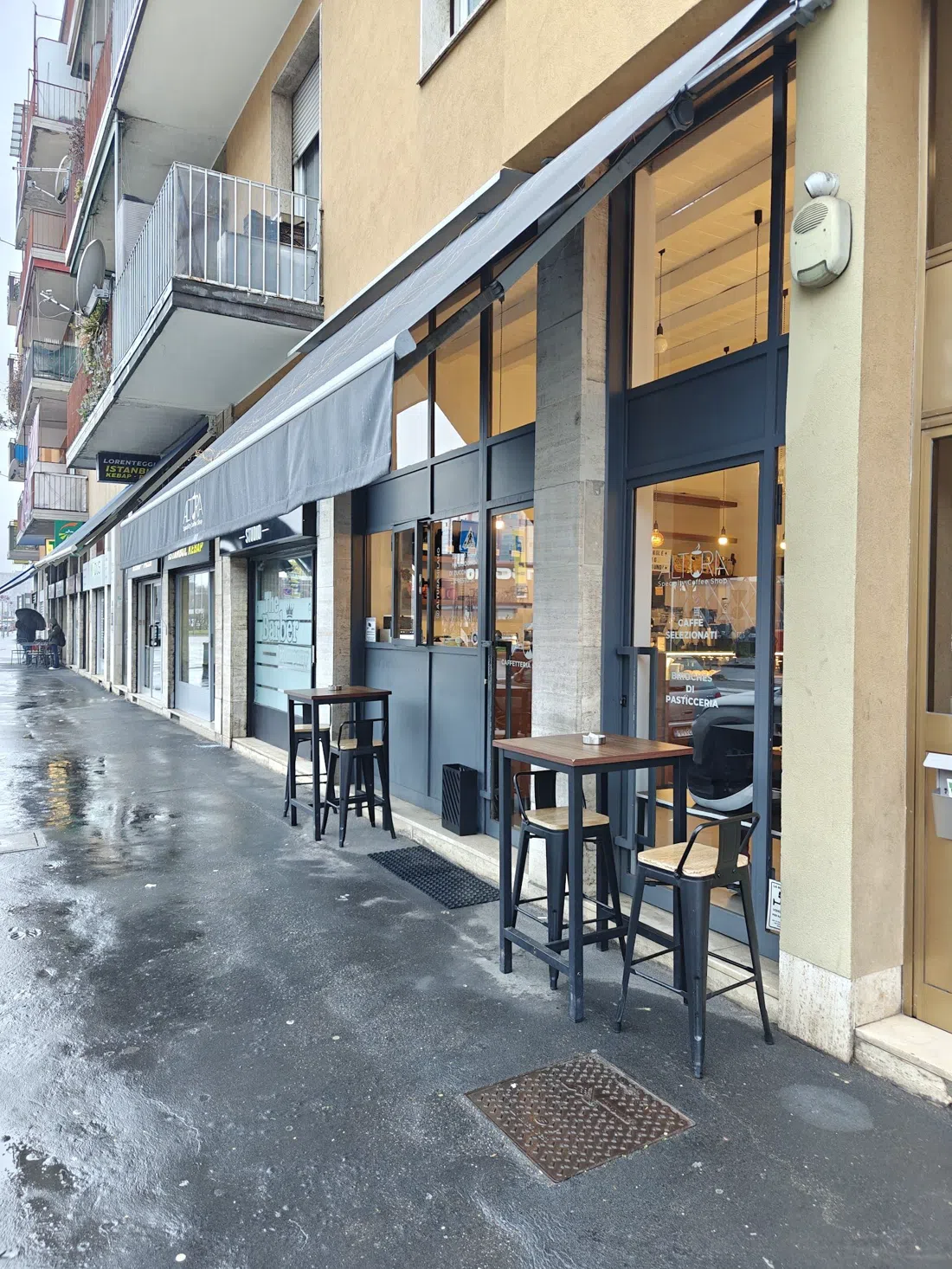
And for readers who want to see the counter ritual the way Milanese live it, away from any tourist circuit, Altura Specialty Coffee is about as local and no-frills as this trail gets, a small neighbourhood bar where realistically one or two visitors at a time is the ceiling. Go early, go quietly, and don't expect it to perform for you. €.
Walking the Trail Without Wasting a Morning
Most of this list sits inside or just outside Milan's compact centro storico, which means the historic leg (Cova, Marchesi, Sant Ambroeus, Taveggia) is genuinely walkable in one loop, all within ten minutes of San Babila. Bar Luce and the Navigli-side stops (Gattullo, and several of the specialty bars) are a short metro or tram ride further out; the M1 and M3 lines cover most of it, and a single transit ticket runs a couple of euros. Don't try to do the whole trail in one sitting: split it across two mornings, historic counters on one, specialty on the other, or you'll be over-caffeinated by eleven.
Timing matters more than most visitors expect. The historic caffès run their real, fast counter trade between roughly 8 and 10am, when Milanese are commuting through: go later and you'll get the same espresso with none of the theatre. The specialty bars keep gentler hours and reward a slower, later-morning visit when the baristas have time to talk.
On cash and pricing: most bars now take cards without complaint, but small change still speeds up a counter order, and it's worth knowing that Italian bars often charge less for a coffee drunk standing at the counter than for the same coffee served at a table. Ask before you sit if budget is a factor. Across this list, a straight counter espresso runs from about €1.50 at the simplest specialty bars to €3-4 at the grand historic caffès with their marble and their history baked into the price; a seated coffee-and-pastry stop at any of the €€€ venues can run €15-20 per person once you sit down properly.
If you're building a longer Milan itinerary around this trail, sort accommodation near San Babila or the Navigli so the historic and specialty legs are each a short walk from where you sleep. Start with a Milan hotel search, and the Milan guide covers the rest of the city for the days you're not counting espresso cups.