
Milan trades its fashion-week polish for something quieter every October: chestnut smoke drifting off Cordusio, ginkgo trees dropping gold along a two-hundred-year-old avenue, and a city that spends August indoors going, without much announcement, back outside. This is not the Milan of catwalks and showroom windows — it's the Milan of park benches, roasted-nut paper cones, and a low autumn light that turns the Castello's moat copper by mid-November. The rite repeats every year, and it rewards anyone willing to walk rather than shop.
Where the Colour Starts: Giardini Pubblici and the Castle Moat
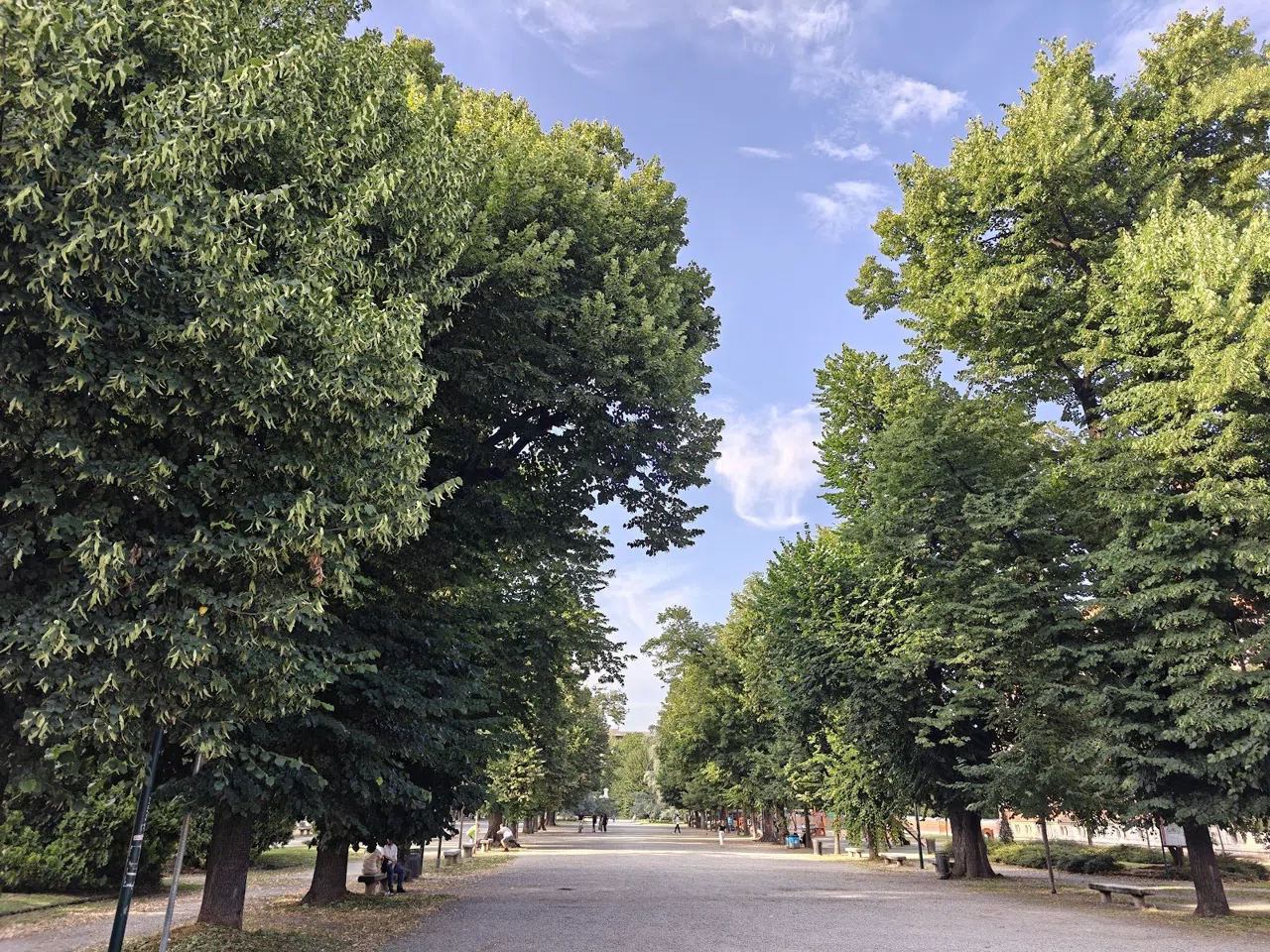
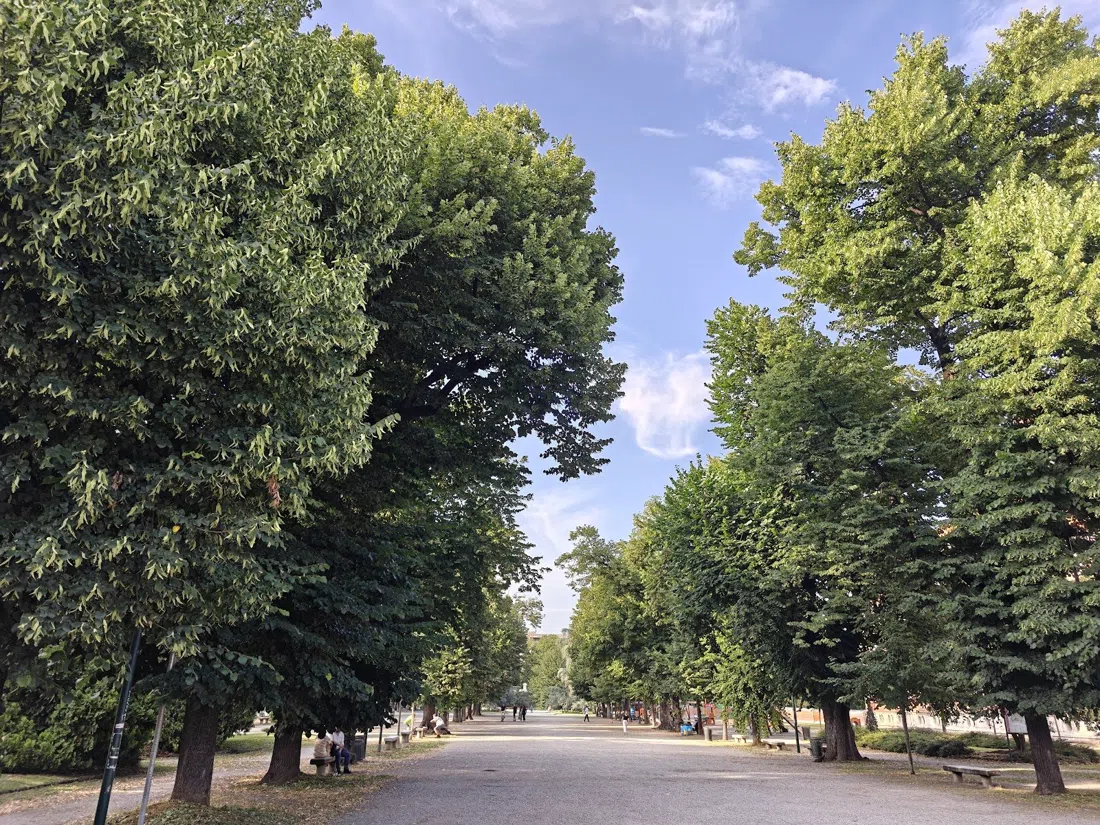
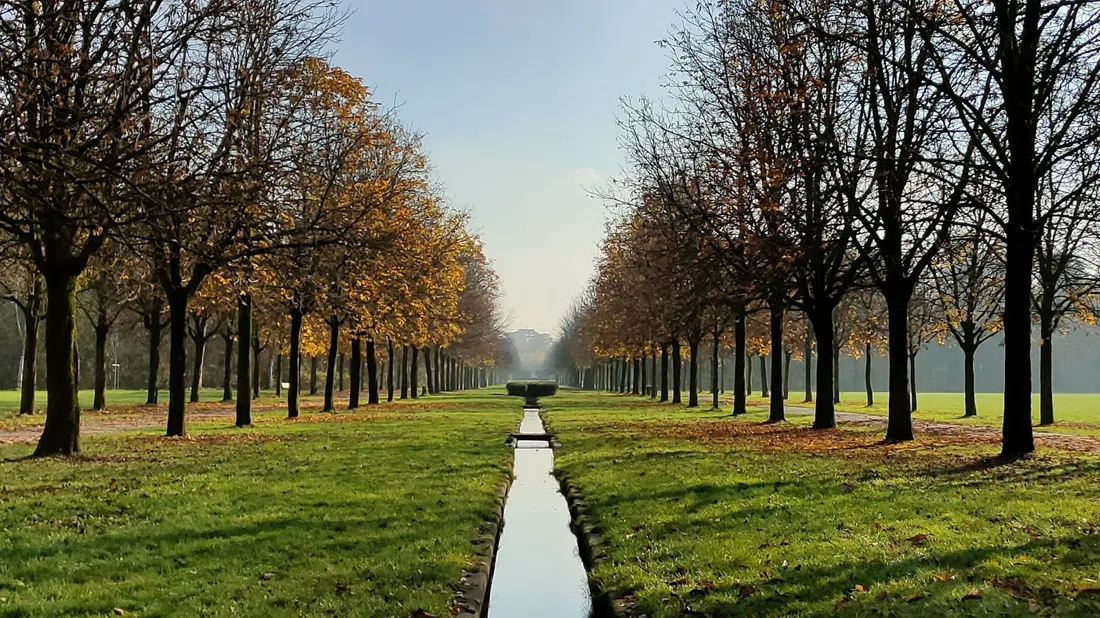
The city's oldest public park, Giardini Pubblici Indro Montanelli (Porta Venezia), opened in 1784 to a design by Giuseppe Piermarini — the same neoclassical architect behind La Scala — laid out in the English landscape style that was still a novelty in Italy at the time. It remains the most reliable place to watch Milan turn: its long ginkgo avenue is the single best-known autumn-colour spot in the city, the trees dropping a carpet of yellow fan-shaped leaves that usually peaks across the second half of November. It's a genuinely open public garden — no ticket, no gate check, groups of any size can walk straight in — though the natural history museum and planetarium inside it run on separate paid admission if you want to turn the walk into half a day. Go early on a weekday for the ginkgo avenue without a crowd of photographers; go on a Sunday afternoon to see how the Milanese actually use the park, which is the more honest way to see it.
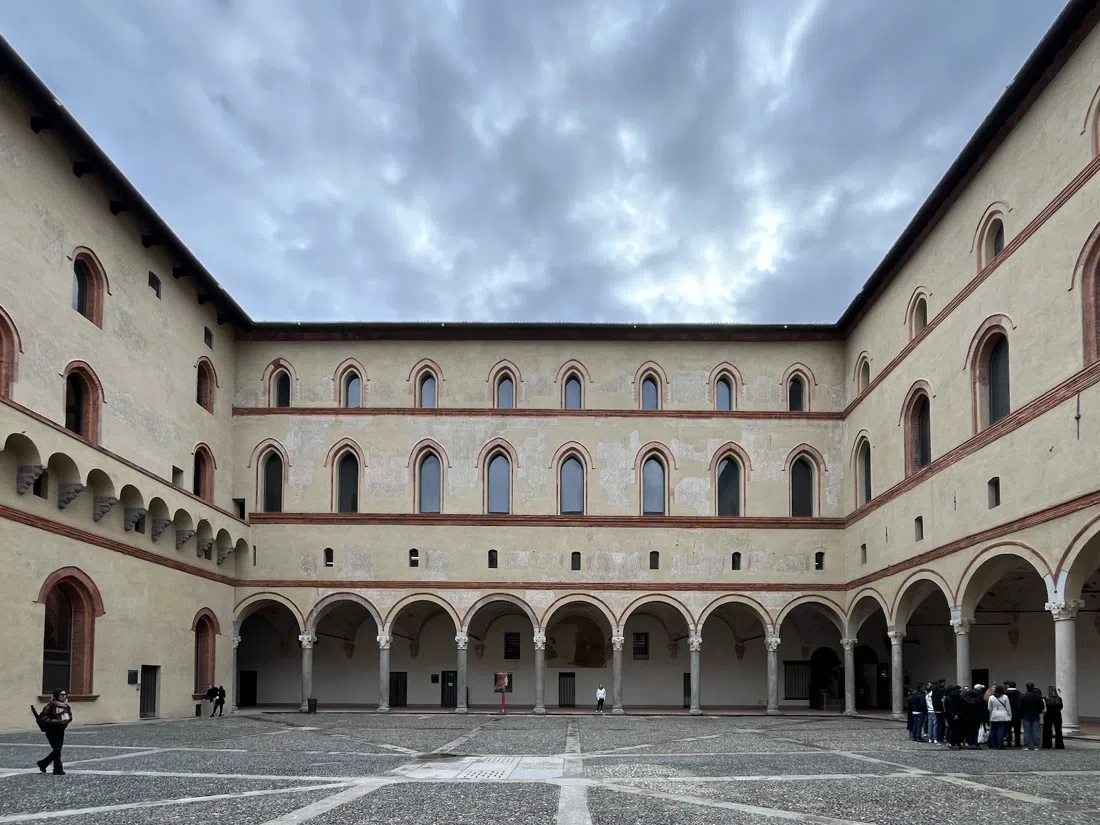
Roughly twenty minutes' walk southwest, at the edge of the same green belt, the Cortili e Fossato del Castello Sforzesco (Castello) offers an older, harder texture of autumn: the fifteenth-century moat that rings the Sforza fortress — rebuilt around Filarete's tower and, inside, home to one of the few surviving rooms decorated under Leonardo da Vinci's direction — its banks turning slowly from green to rust through October and November. The courtyards and the moat's edge are free to enter and handle groups easily; school parties and tour groups cross them constantly. The museums inside the castle itself, though, need advance group booking. It's an underused image of the season: most visitors photograph the castle's brick façade and miss the ivy turning at its feet.
The Modern Counterpoint: Parco Biblioteca degli Alberi
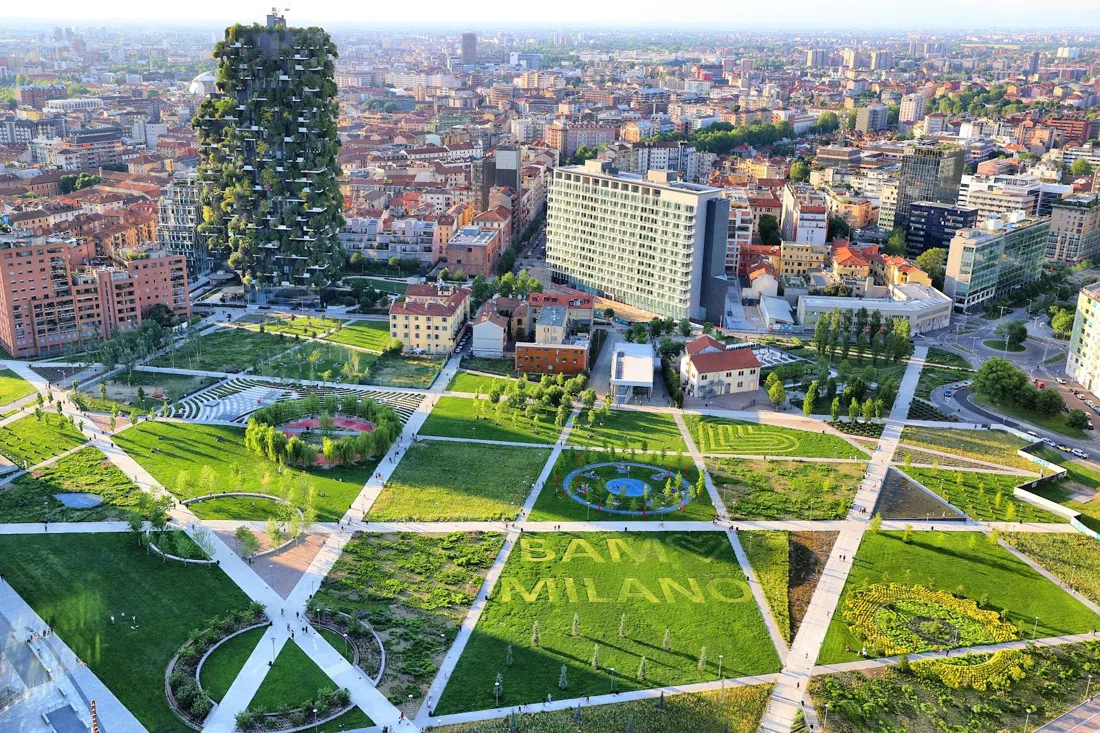
If Montanelli is Milan's nineteenth-century park, Parco Biblioteca degli Alberi (Porta Nuova) — usually shortened to BAM — is its twenty-first, and the contrast is the point of visiting both in one day. The planting, designed with an old-growth logic of dense concentric rings rather than open lawns, sits directly beneath the glass towers of the Porta Nuova redevelopment and the planted balconies of Bosco Verticale, so the autumn colour reads against skyline rather than sky — new Milan built literally around old-style woodland. It's unfenced and open 24 hours, which makes it the most flexible stop on this list for a group with an unpredictable schedule, and it costs nothing to enter. Come at dusk if the itinerary allows it: the park's lighting was designed for exactly that hour, and turning branches silhouetted against lit towers is a better photograph than anything at midday.
Real Woodland, Not Far From the Duomo
For readers who want more than a manicured city garden, Milan keeps three working escapes at its edges.
Parco Nord Milano (spanning the city's northern edge into Sesto San Giovanni and Bresso) is the genuine deep-autumn option — hundreds of hectares of regenerated woodland and wetland rather than a landscaped garden, reclaimed from former industrial and agricultural land over four decades. Guided nature walks are bookable through the Cascina Centro Parco visitor centre if a naturalist is more useful than a map. It's free, fully open, and built for groups.
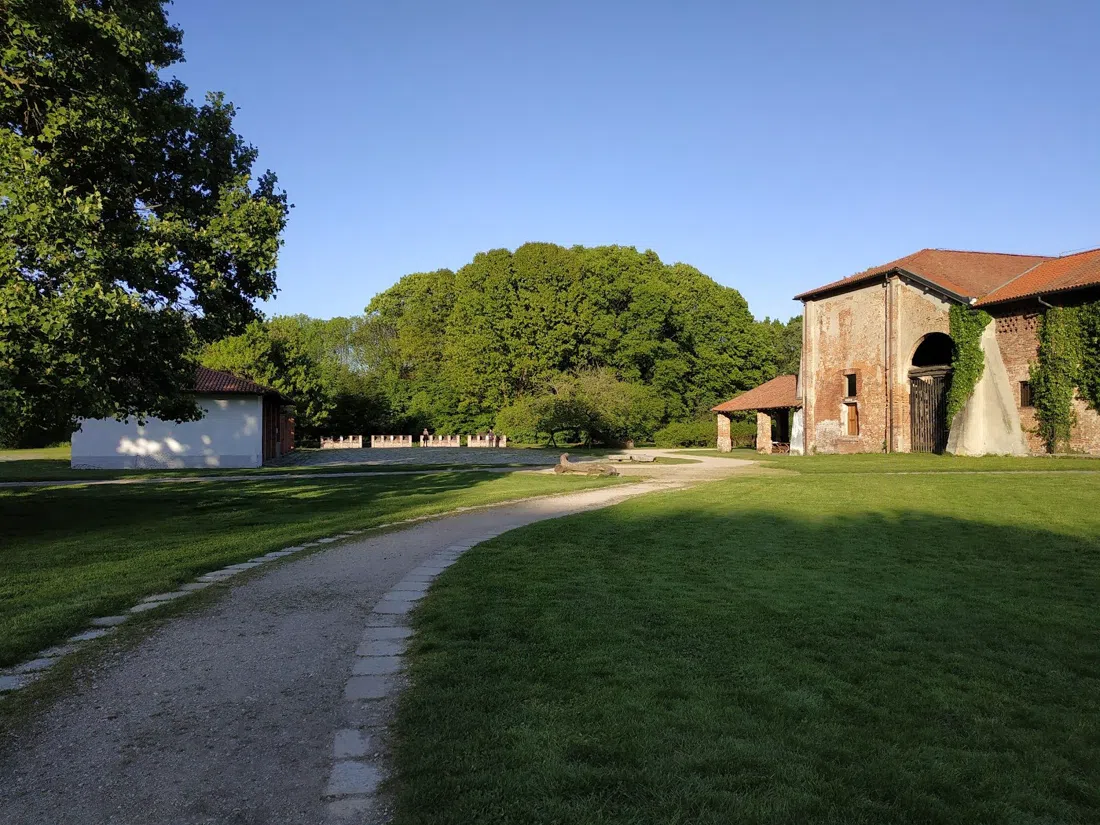
Boscoincittà, on the western edge near San Siro, is older and rougher still — Milan's oldest urban-forestation project, running continuously since 1974, and deliberately the least manicured entry on this list: paths that feel like countryside rather than park, grazing land, and a working-farm atmosphere the tidier central parks don't have. Cascina San Romano, the farmhouse at its centre, has a covered courtyard that can be booked for group gatherings, which makes it a workable stop for an autumn lunch as well as a walk.
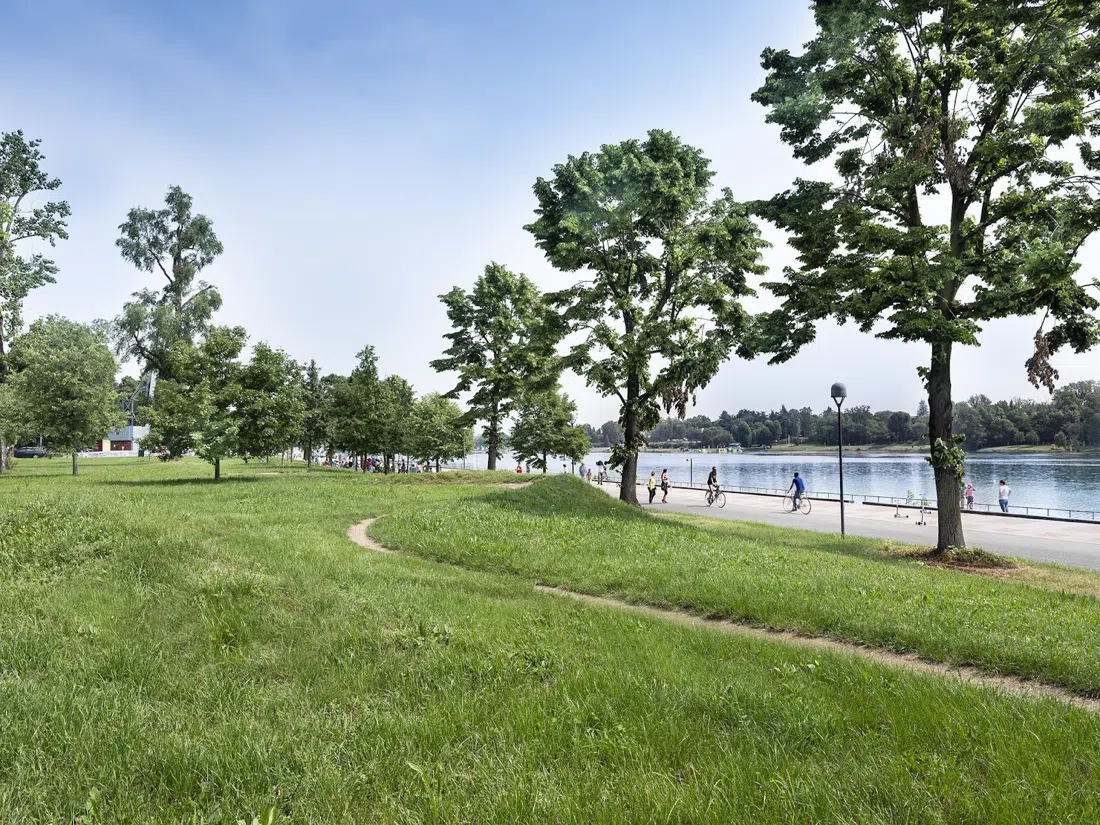
Idroscalo di Milano, out towards Linate on the eastern side, is Milan's stand-in for a seaside — a former seaplane training basin turned into a long artificial lake ringed by beaches and watersports clubs. It's worth including for anyone who wants water alongside the foliage, but be realistic about timing: most of the summer beach clubs and watersports rentals wind down for the season by October, so by late autumn it's a quieter, more contemplative lakeside walk than the summer postcards suggest. It's free to enter and easily takes a large group.
Small Gardens Worth Seeking Out
Between the big parks, Milan hides three smaller gardens that reward a slower reader more than a quick group tour.
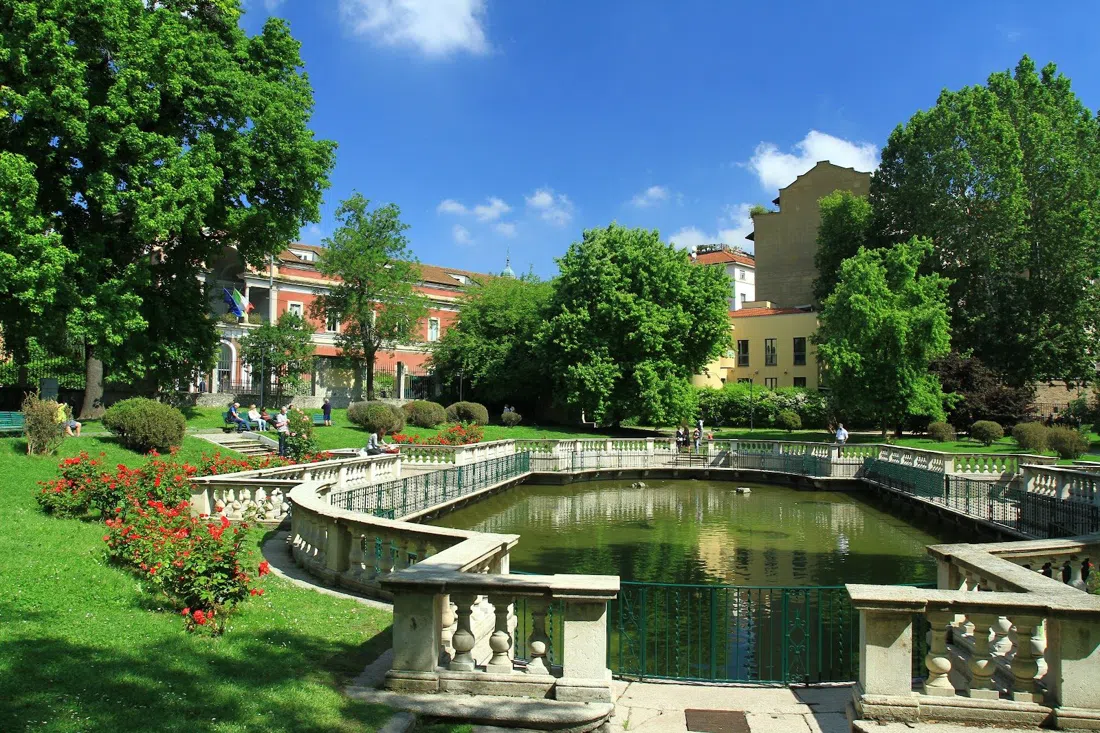
Giardino della Guastalla, near the Università degli Studi southeast of the centre, is a small, enclosed baroque garden — founded in 1555 by the Countess of Guastalla as grounds for a girls' boarding school, and the oldest garden in Milan after Montanelli's park itself. It's free and open to everyone, but the intimacy is the whole point: keep the group to two or three, or the walled quiet that makes the detour worthwhile is lost immediately.
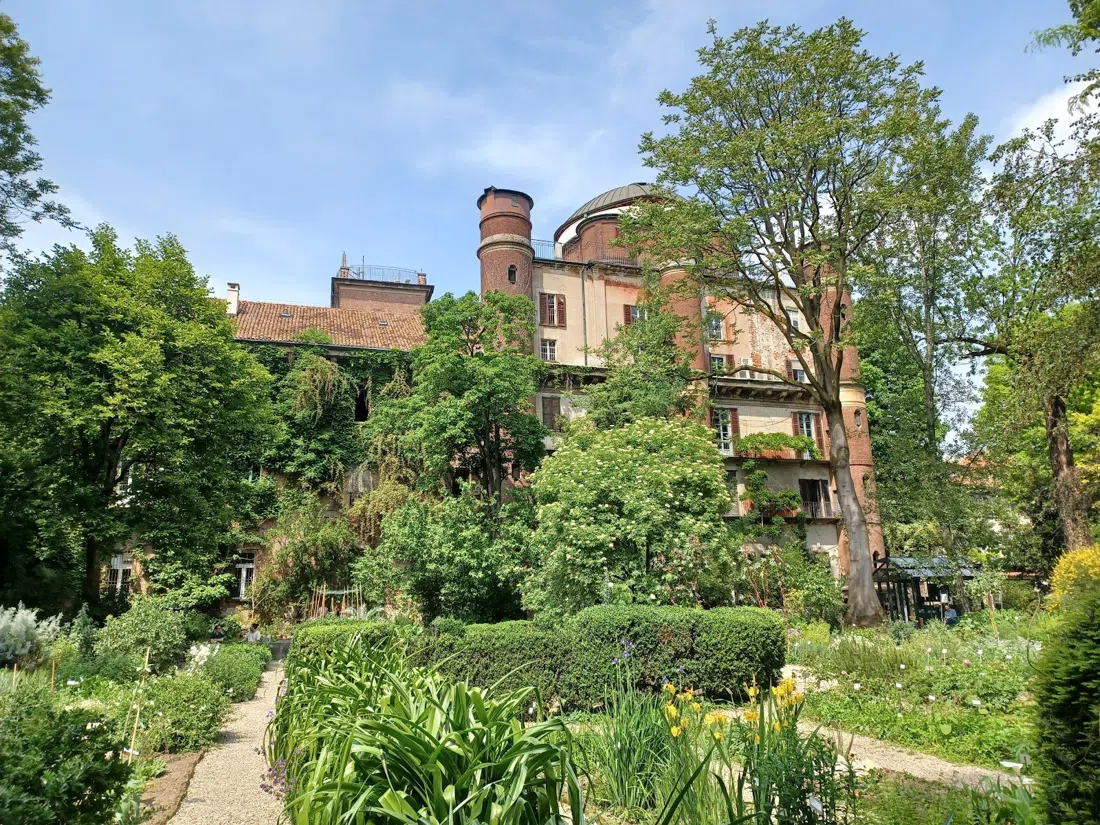
Orto Botanico di Brera sits inside Milan's gallery district, a walled botanical garden founded in 1774 under Austrian rule and attached to the Palazzo di Brera, that most visitors to the art gallery next door never notice. Admission is free, and guided group tours can be arranged on request, which makes it an easy add-on to a Brera morning rather than a destination in its own right — gallery first, garden second, twenty quiet minutes among the specimen trees before the next appointment.
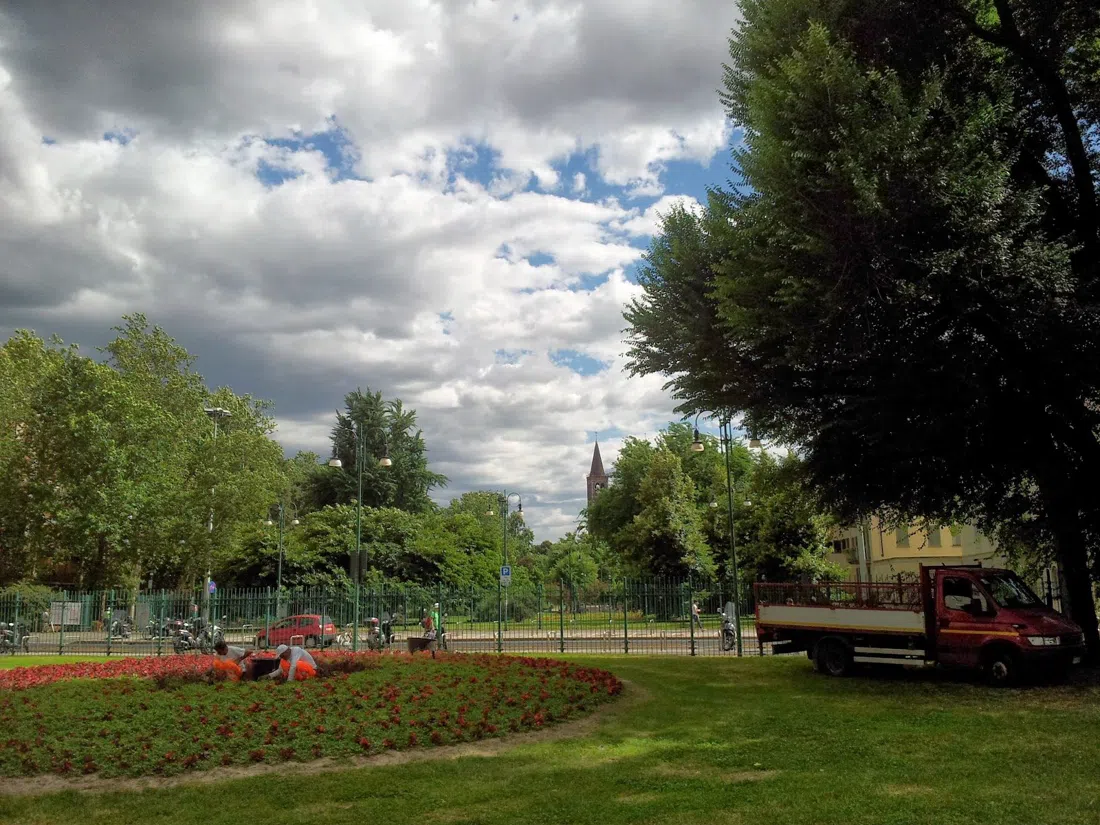
Parco Papa Giovanni Paolo II, south of the centre toward Porta Ticinese, is still called Parco delle Basiliche by most Milanese, and it's worth knowing both names when asking directions. The park threads between the city's Roman and medieval basilicas, so the autumn walk doubles as an open-air history lesson in the layers under the modern city. It's a fully open public park, free, and welcomes groups without any booking.
The View: Parco di Monte Stella
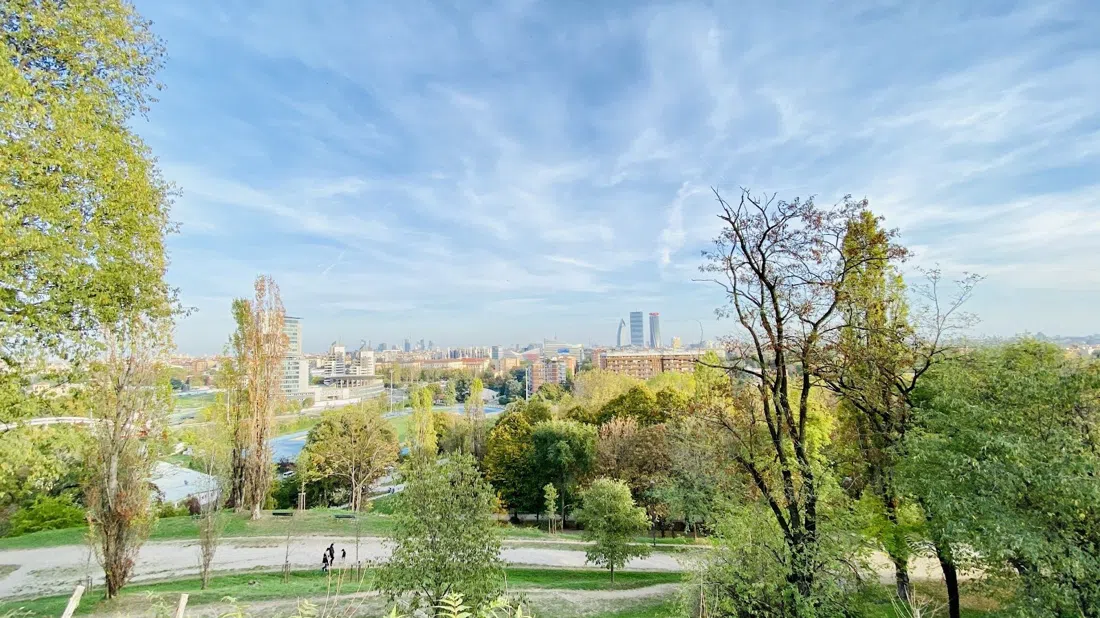
Parco di Monte Stella, in the QT8 district northwest of the centre, is a hill built almost entirely from the rubble of Milan's bombed buildings after the Second World War, engineered under the architect Piero Bottoni as part of the postwar QT8 housing experiment — landscape as design history rather than nature. It's the best sunset and skyline viewpoint on this list, autumn colour laid out below rather than around you, and it's free and popular with joggers year-round. It suits a couple or a small group happy to climb; the paths aren't punishing, but the incline makes it a poor fit for a large, mixed-mobility tour. Send pairs and small groups here, and keep the coach parties on the flat parks.
The Ritual: Chestnuts, Aperitivo and the Season's Rhythm
No account of Milanese autumn is complete without the food it produces, and here the piece runs across three very different registers.
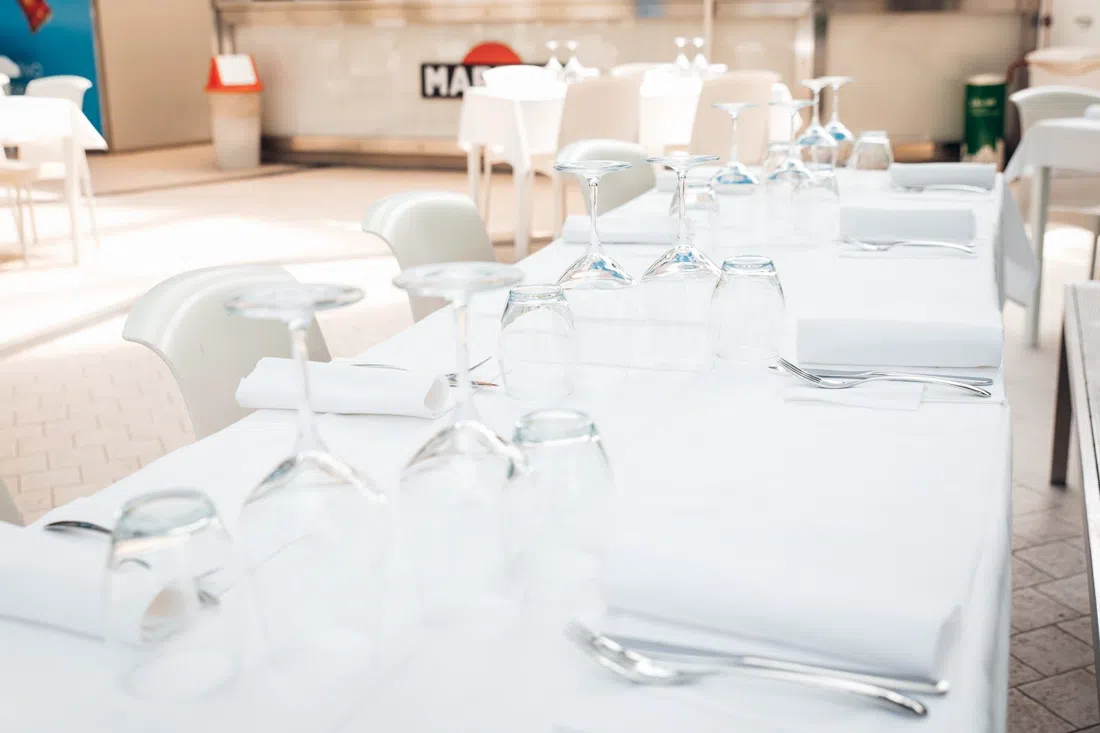
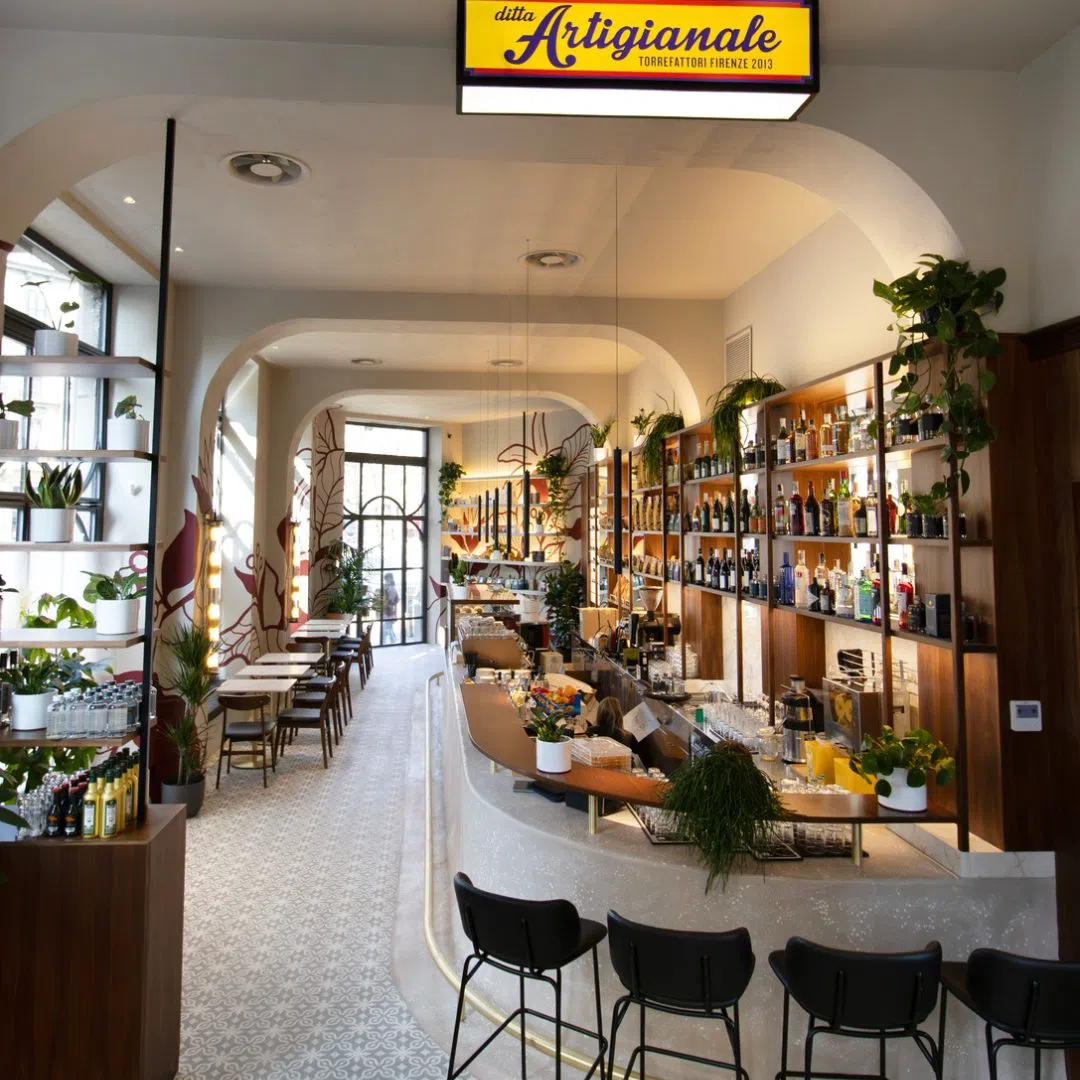
Bar Bianco, the café-bar inside the Giardini Pubblici, is the place to sit inside the foliage rather than just walk through it — a large outdoor terrace under the same ginkgo canopy, taking walk-ins and groups without a formal door policy. A coffee runs around €2; an aperitivo, roughly €10–14, buys a spritz and the kind of unhurried hour the avenue outside is built for. It's, by a wide margin, the obligatory stop on this itinerary.
El Castegnatt — Milan's chestnut roasters — are the ritual the whole season is built around: street vendors, i castegnatt, licensed by the comune, who return every October through December around the Duomo, Cordusio and the San Babila–Cairoli stretch. They're walk-up only, no reservation needed or possible, a paper cone of roasted chestnuts running roughly €4–6, and they fit naturally into any walking route through the centre rather than requiring a special trip. Buy from whichever cart has the longest queue of locals, not tourists — it's the most reliable quality signal there is.
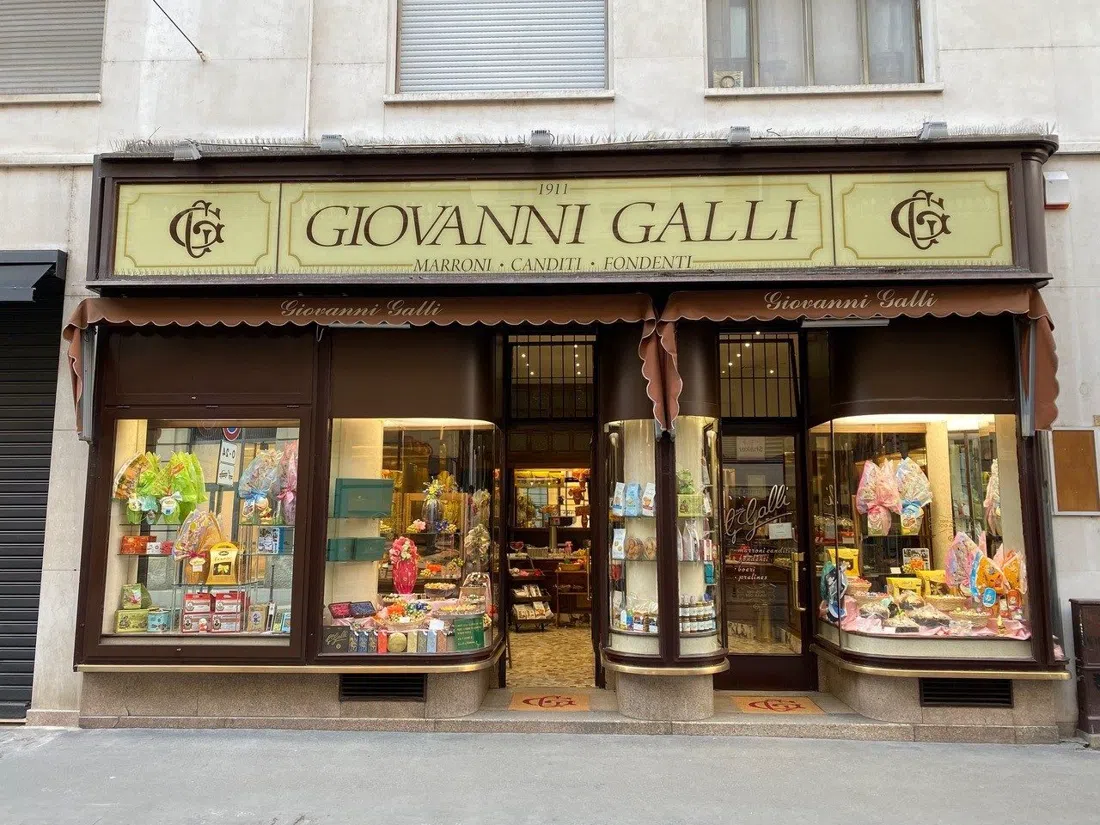
Giovanni Galli, a small confectioner's shop in central Milan making marrons glacés since 1911, is the artisanal, considered counterpart to the street cart — candied chestnuts individually glazed rather than roasted, sold by the piece at roughly €50–60 a kilo. It's a shop for pairs or small groups browsing rather than a stop for a large party; there's no room for one, and the point of the visit is the care in the thing, not the speed of the transaction. Buy a small box on a first visit rather than a large one — it's expensive enough that you'll want to know you like it first.
Getting There, Timing and Budget
Milan's metro and tram network reaches every park on this list, and none of them require a car. The M1 (red line) stops at Palestro or Porta Venezia for the Giardini Pubblici, and at Cairoli or Cadorna for the Castello; the M2 (green line) at Garibaldi puts you a short walk from BAM. Parco Nord and Boscoincittà sit further out and are best reached by a combination of metro and tram or bus from the centre — allow closer to forty minutes door to door rather than treating either as a quick add-on. The Idroscalo is easiest by bus from the Linate side; it isn't a casual walk-on from the centre.
Cash is rarely necessary — Milan runs on contactless almost everywhere, including most chestnut carts now — but it's still worth carrying a note or two of small change for older vendors who haven't switched over, and for garden ticket booths that occasionally run card machines slowly on a cold morning.
On timing, the colour itself runs later than many visitors expect: the ginkgo avenue at Montanelli usually peaks in the second half of November rather than October, and BAM's mixed planting can hold colour into early December in a mild year. October is chestnut season and pleasant walking weather, but the parks are often still green; late October through November is the sweet spot where both threads — the foliage and the roasting carts — are running at once. Bring a coat regardless: Milan's autumn is damp and grey as often as it's golden, and every park on this list photographs considerably better in low, clear light than under cloud.
Budget for the day is close to nothing beyond food, since every park here is free to enter — the real cost is a coffee, an aperitivo and a paper cone of chestnuts, call it €20–30 a person for a full day outdoors, more if the marrons glacés at Giovanni Galli make it into the bag. For staying a few days rather than squeezing this into one afternoon, start with a Milan hotel search; for the rest of what the city does well beyond its parks, the Milan guide covers it.