
Mailand hat eigentlich keinen Hauptplatz zum Verweilen – es hat einen überdachten, mit Eisen und Glas überzogenen, und alle, die hier wirklich leben, nutzen ihn als Abkürzung, Treffpunkt und zweimal täglich als Bühne. Treten Sie aus dem Schatten des Doms und durch den Triumphbogen, und der gesamte soziale Vertrag der Stadt wird mit einem Mal sichtbar: Pendler, die die Ecke Richtung Scala abschneiden, eine kleine Menschentraube, die ein Bodenmosaik fotografiert, und Kellner in weißen Jacken, die unter Glas, das diese Kreuzung seit 1877 überspannt, Tische decken. Die meisten Besucher gönnen ihr vier Minuten und ein Foto. Dieser Artikel ist für die zwei Stunden, in denen Sie aufhören, hindurchzueilen, und anfangen, sie zu lesen – als Teil einer längeren Mailand-Reiseroute.
Ein Kreuz aus Eisen und Glas
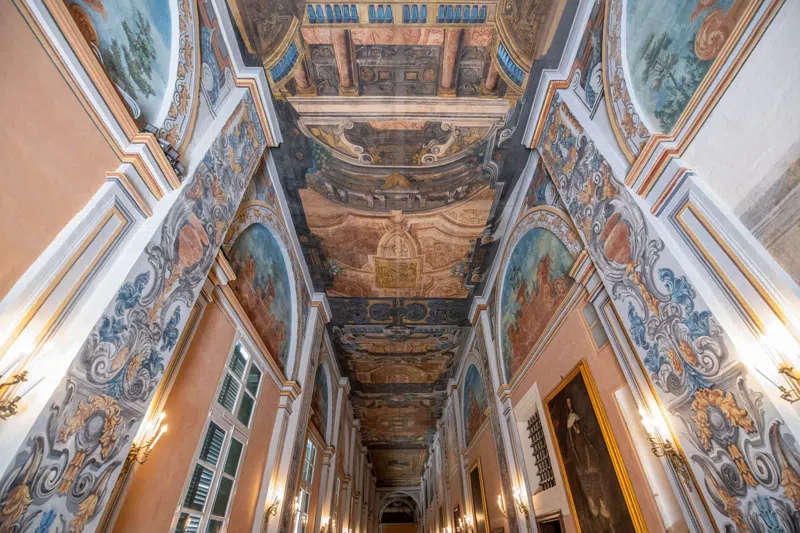
Die Galleria Vittorio Emanuele II ist eine kreuzförmige Passage, keine Straße: zwei tonnenförmige, glasüberdachte Arme, die sich unter einem zentralen Oktagon treffen, entworfen vom Architekten Giuseppe Mengoni, um die Piazza del Duomo direkt mit der Piazza della Scala zu verbinden. Von einem Ende zum anderen zu gehen dauert etwa drei Minuten; es richtig zu gehen – unter der Kuppel stehen bleiben und die Schaufenster lesen – frisst eine Stunde, ohne dass man es merkt. Der Bau lief von 1865 bis 1877, im selben Jahrzehnt, in dem Paris und London ihre eigenen Eisen-und-Glas-Passagen errichteten, aber Mailands ist größer, höher und wurde als städtische Infrastruktur geplant, nicht als private Spekulation – König Vittorio Emanuele II legte selbst den ersten Stein, und das Gebäude sollte die Ankunft eines neu vereinten Italiens als moderne Nation verkünden. Mengoni erlebte die Fertigstellung nie: Er stürzte wenige Tage vor der Eröffnung vom Gerüst. Die vier Mosaikpflaster am Fuß des Oktagons stellen Europa, Asien, Afrika und Amerika dar, in derselben dekorativen Sprache wie die freskengeschmückten Gewölbe darüber, und sie verdienen einen langsamen Blick nach oben, bevor man sich in ein Schaufenster ziehen lässt.
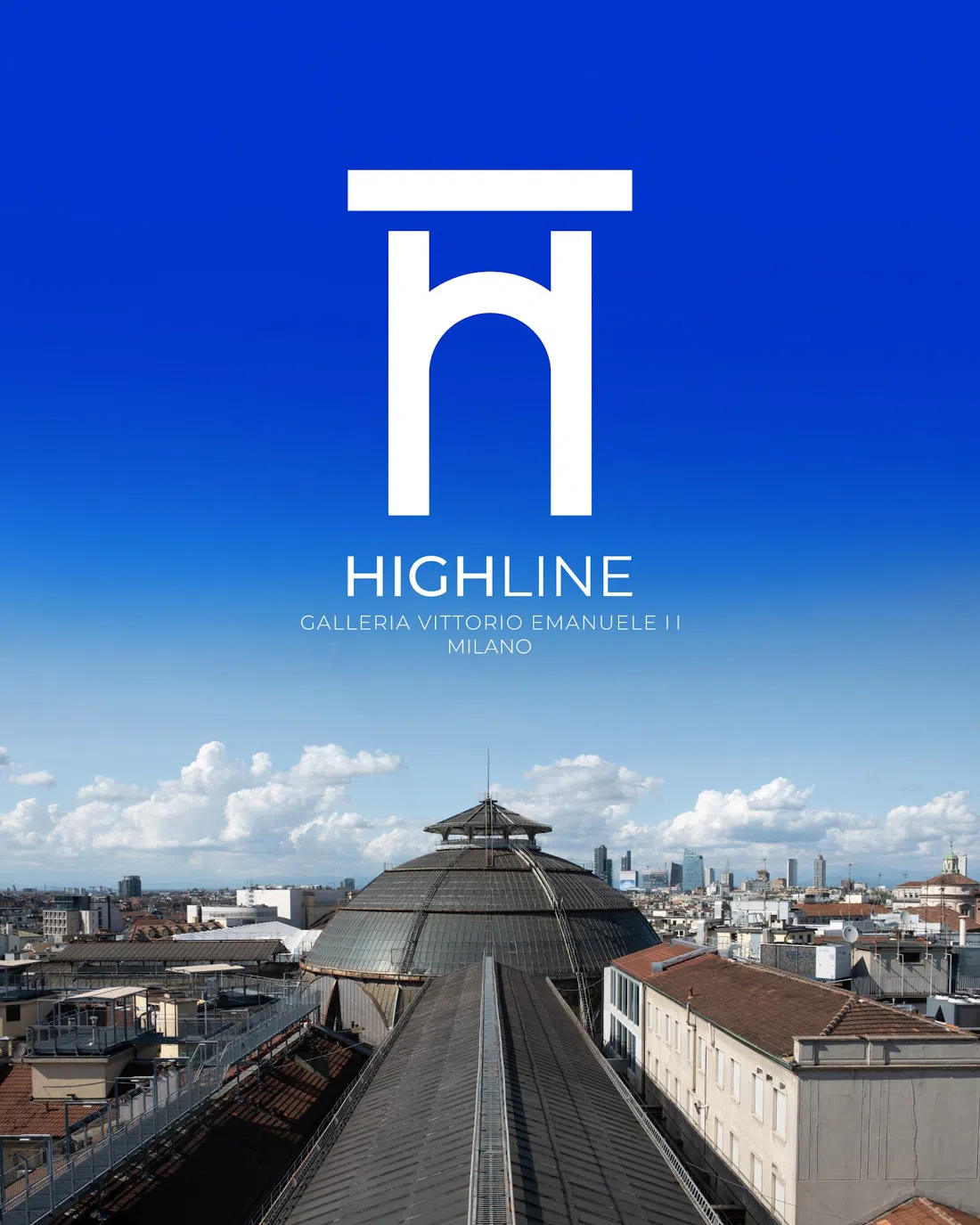
Für die Struktur selbst, statt der Geschäfte darunter, buchen Sie Highline Milano – einen geführten Dachweg entlang des Eisen-und-Glas-Rückgrats der Galleria, nach Restaurierung im Februar 2026 wiedereröffnet. Er bietet private und Kleingruppen-Touren sowie Einzeltickets (ca. 15–25 € p. P.) an und ist der einzige Aussichtspunkt, von dem aus der kreuzförmige Grundriss, die Kuppel und die Spitzen des Doms dahinter als eine Komposition erkennbar sind. Buchen Sie vor Ihrer Ankunft einen Slot – es ist ein begehbarer Weg mit begrenzter Kapazität, keine Warteschlange für Laufkundschaft.
Das Ritual im Zentrum
Direkt unter der Kuppel, eingelassen in Das Stier-Mosaik der Galleria (Toro) im Zentrum des Oktagons, befindet sich das Element der Passage, das jeder Mailänder mindestens einmal gemacht hat: die Ferse auf die Leistengegend des Stiers setzen und dreimal volle Umdrehungen im Uhrzeigersinn machen, für Glück. Es ist kostenlos, ohne Reservierung und unbegrenzt, und es wurde 2026 frisch restauriert, nachdem jahrzehntelange Touristenschuhsohlen ein Loch in das Mosaik getreten hatten. Es sieht albern aus, und alle machen es trotzdem, was mehr oder weniger der Punkt ist – dies, nicht ein einzelnes Geschäft oder Restaurant, ist das eigentliche „Salotto“-Ritual, für das die Galleria bekannt ist, die eine Geste, die aus einer überdachten Straße ein Wohnzimmer macht. Gehen Sie früh hin, vor dem Ansturm am späten Vormittag von den Domtüren, und Sie haben eine freie Anlaufstrecke, ohne hinter einer Reisegruppe anzustehen.
Kaffee und die Aperitivo-Stunde
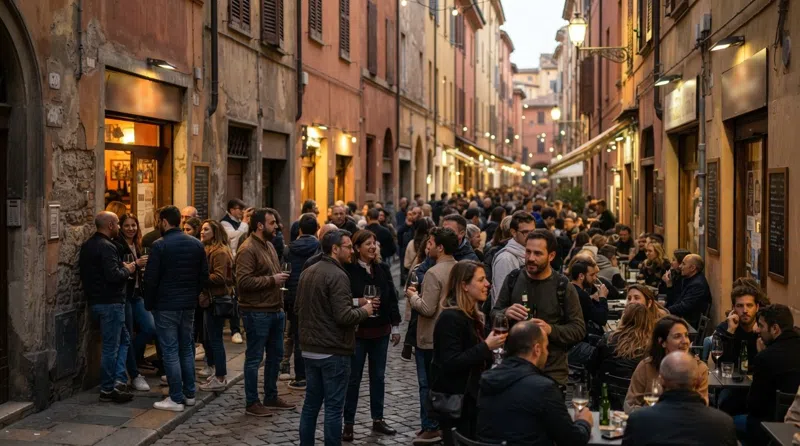
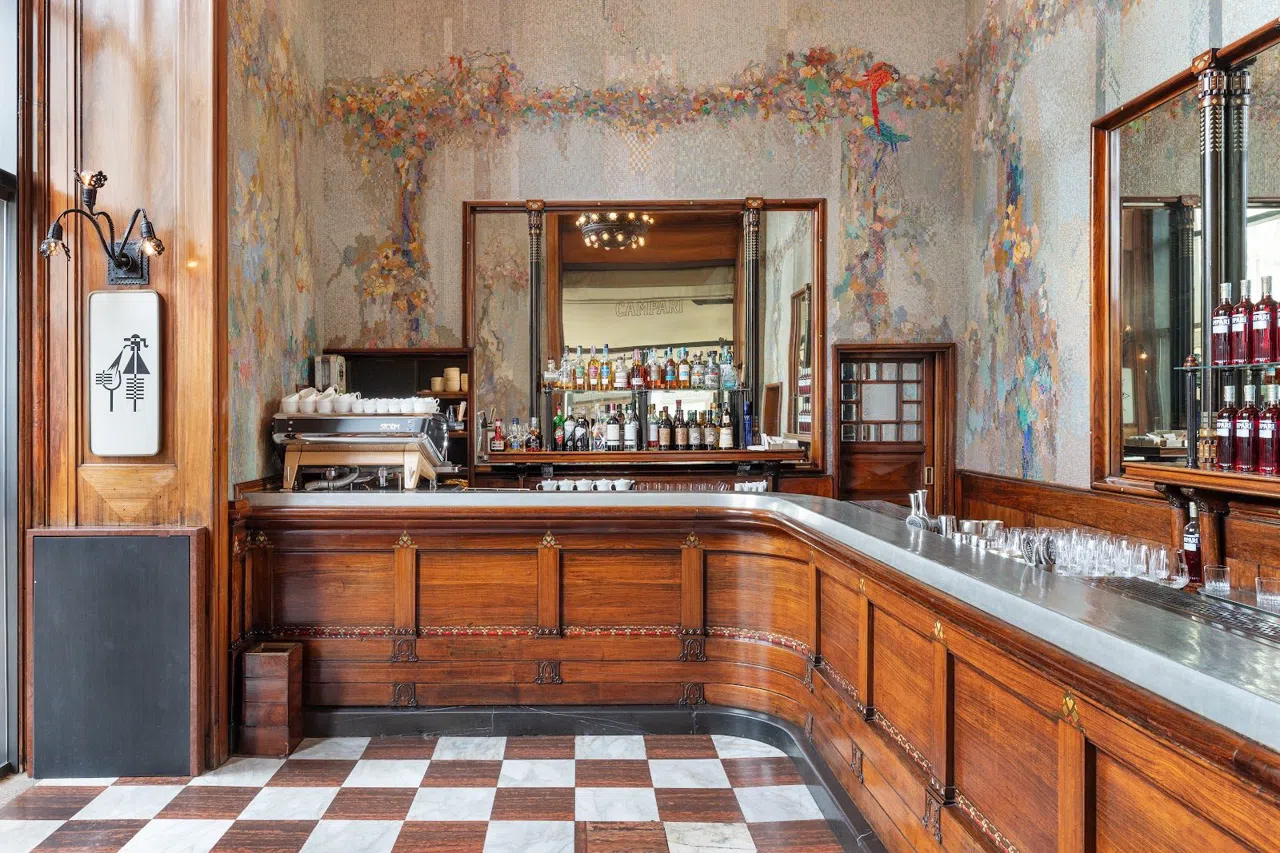
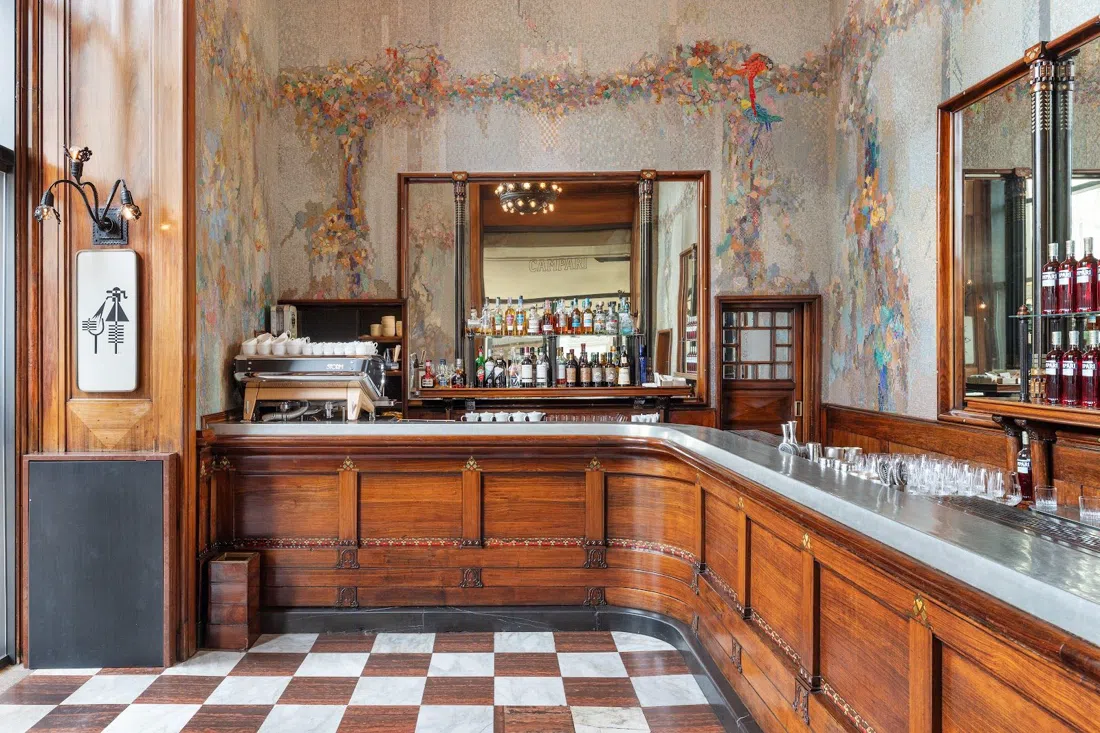
Das gesellige Leben der Galleria dreht sich um zwei feste Anlaufpunkte, beide nahe dem Dom-Ende. Camparino in Galleria, direkt dort, wo die Passage auf die Piazza del Duomo trifft, ist die ursprüngliche Heimat von Campari – eine lange Bar plus ein Sitzbereich „Bar di Passo“ und Tische unter dem Bogen im Freien. Für einen Stehkaffee oder einen Aperitivo ist keine Reservierung nötig; ein Kaffee kostet 4–6 €, ein ordentlicher Cocktail 12–20 €. Gehen Sie für das Ritual ebenso hin wie für den Drink: Hier hat der Mailänder Aperitivo als stadtweite Institution praktisch begonnen, und abends um 18 Uhr an der Bar mit einem Campari Spritz zu stehen, ist immer noch der korrekte Weg. Der Tresen ist am frühen Abend dreifach belegt, also kommen Sie um 17:30 Uhr, wenn Sie Ellbogenfreiheit wollen, oder am Nachmittag für einen ruhigen Espresso.
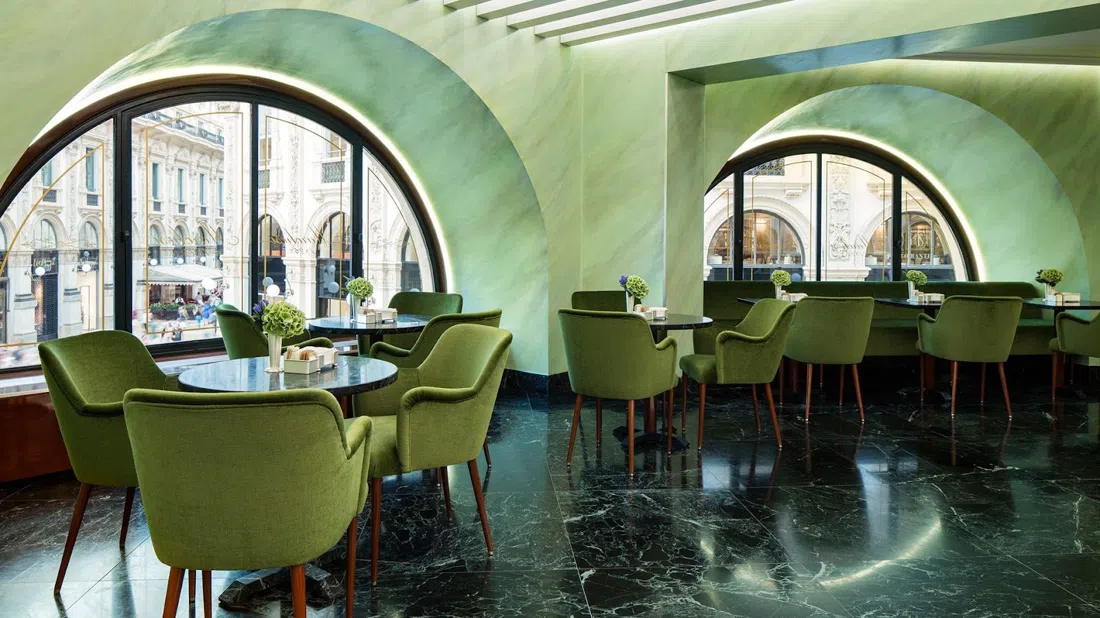
Für einen Kaffee im Sitzen in der Passage selbst ist Marchesi 1824, ein kurzer Spaziergang vom Camparino Richtung Oktagon, die bessere Anlaufstelle. Mailands älteste Pasticceria, 1824 gegründet und heute im Besitz der Prada-Gruppe, bietet Café-Sitzplätze für Gruppen und Service ohne Reservierung an der Theke für Gebäck und Kaffee (4–10 €). Es ist das Konditorei-Café, zu dem man einen Freund schicken sollte, bevor man einen Vormittag mit Schaufenstern verbringt – bestellen Sie ein Brioche und einen Cappuccino, setzen Sie sich an ein Fenster und beobachten Sie, wie die Passage erwacht.
Zum Essen hinsetzen, von der Trattoria bis zum Tasting-Menü
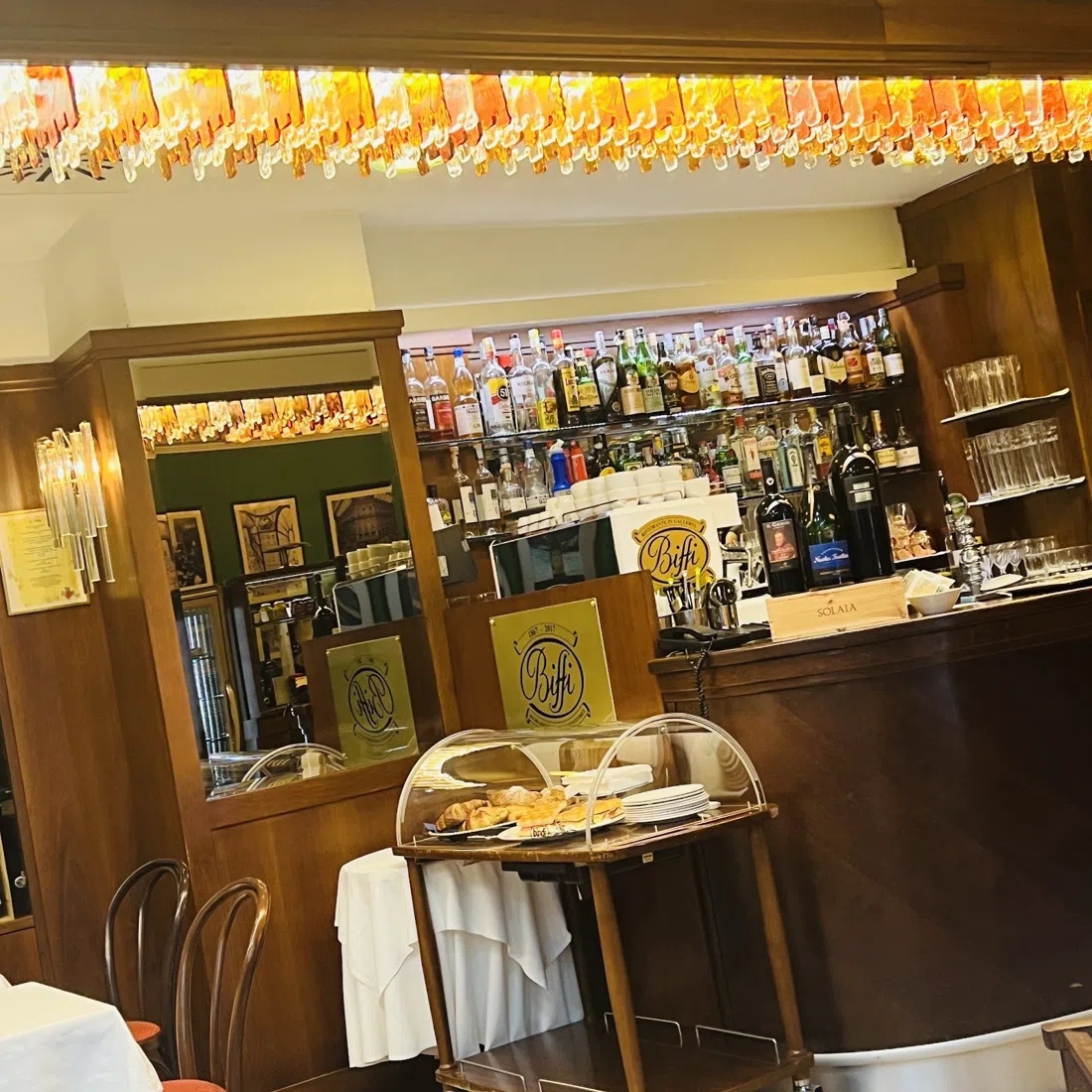
Drei ganz unterschiedliche Küchen befinden sich unter demselben Glasdach, und welche Sie wählen, sollte vom Anlass abhängen, nicht von der Adresse. Biffi Ristorante in Galleria auf der Hauptachse der Passage ist die durchgehend geöffnete Option für jeden Tag – großer Speisesaal, Laufkundschaft willkommen, Gruppen werden gerne an den Außentischen bedient, Hauptgerichte 25–40 €. In diesem Raum haben Toscanini und Hemingway tatsächlich getrunken, und er funktioniert immer noch als normales Restaurant statt als Schrein für sie; gehen Sie hierher, wenn Sie ein Mittagessen ohne Planung wollen.
Ristorante Savini nahe dem zentralen Oktagon ist die Buchung für besondere Anlässe. Im selben Jahr wie die Galleria selbst eröffnet, ist es Mailands geschichtsträchtigster Speisesaal und traditionell der Tisch für nach der Oper, mit privaten Räumen und Menüfolgen für Geschäftsessen und Veranstaltungen – Tasting-Menüs etwa 90–160 € p. P. Reservieren Sie im Voraus; dies ist kein Raum, in den man unangemeldet spaziert.
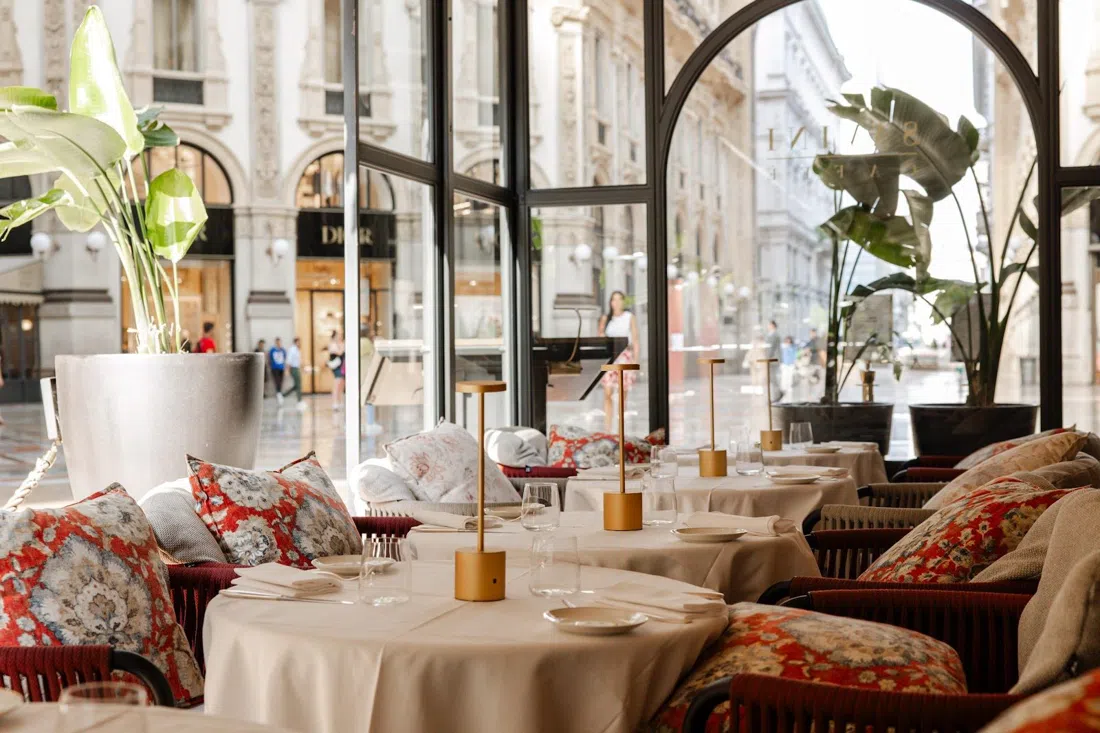
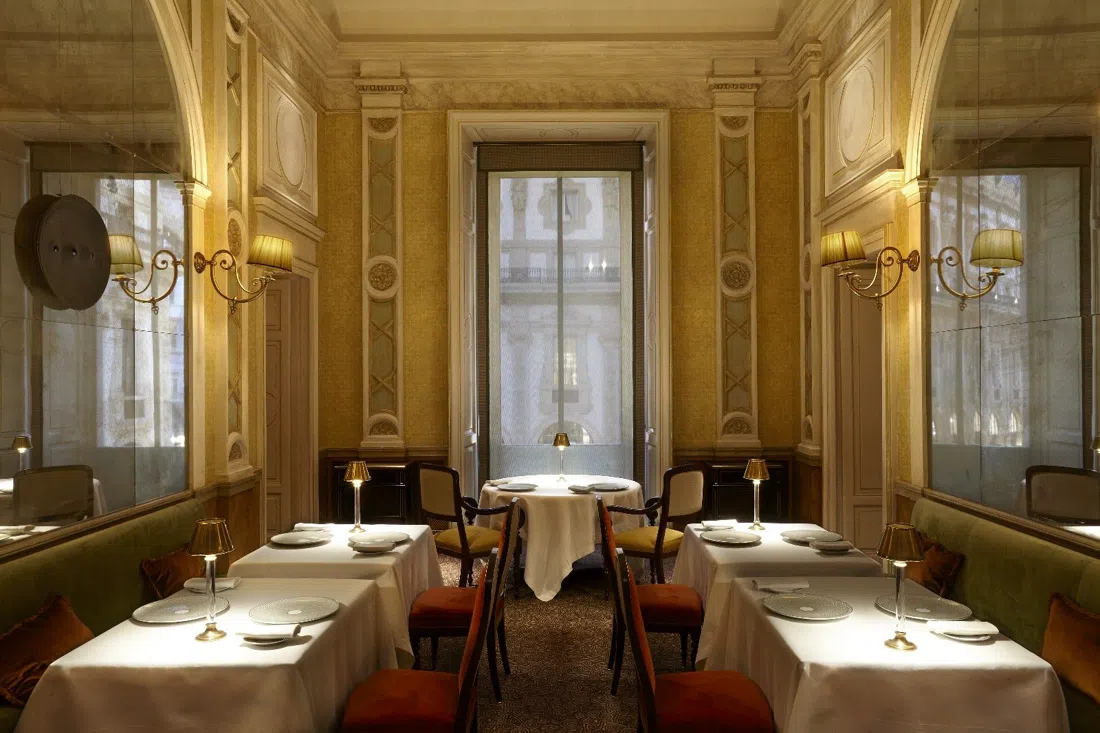
Cracco in Galleria, ebenfalls nahe dem Oktagon, ist der Beweis der Passage, dass ernsthafte zeitgenössische Küche hier neben den Nostalgie-Akten weiterhin stattfindet. Es hält einen Michelin-Stern, und das Restaurant im Obergeschoss hat begrenzte Sitzplätze und nimmt nur kleine Gruppen – buchen Sie weit im Voraus für ein Tasting-Menü für 180–250 € p. P. Die Bar und das Bistro im Erdgeschoss sind deutlich flexibler, heißen größere Gruppen ohne dieselbe Vorlaufzeit willkommen und liegen preislich im moderateren €€€-Bereich, was es zum vernünftigen Schritt macht, wenn Sie einen Vorgeschmack auf die Küche wollen, ohne sich auf den vollen Tasting-Menü-Abend einzulassen.
Die Schaufenster, für die man langsamer gehen sollte
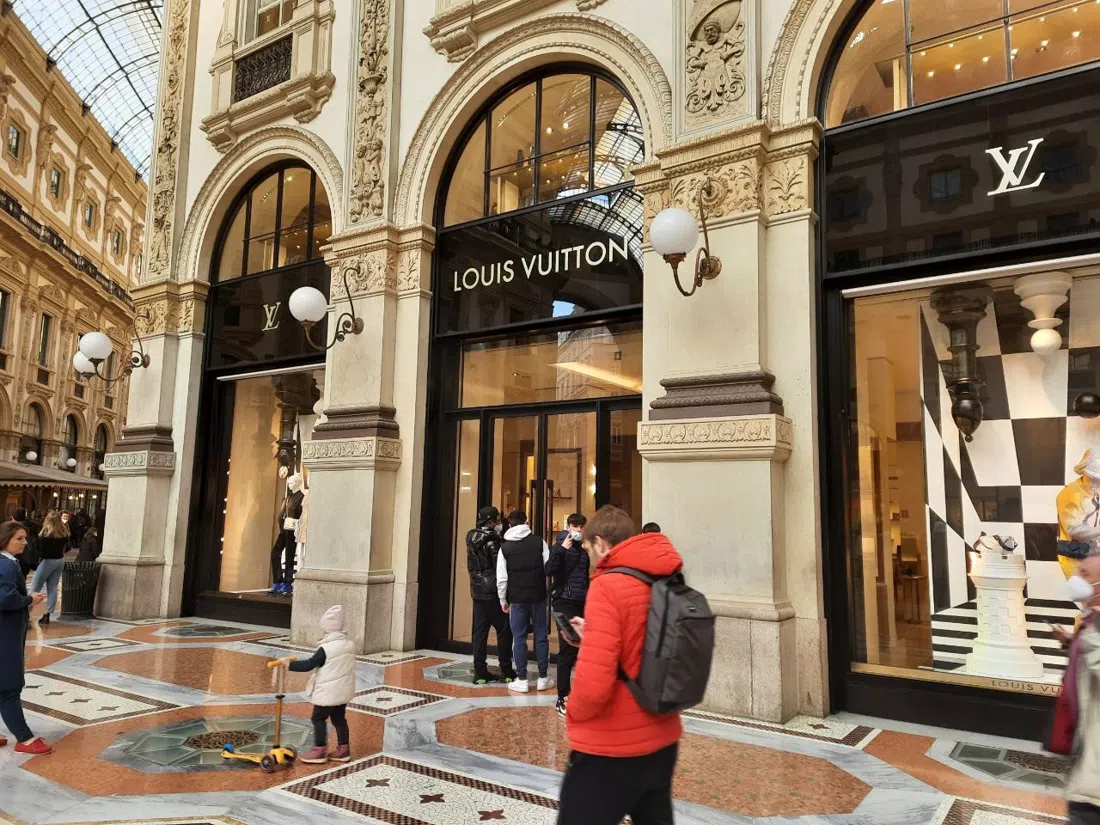
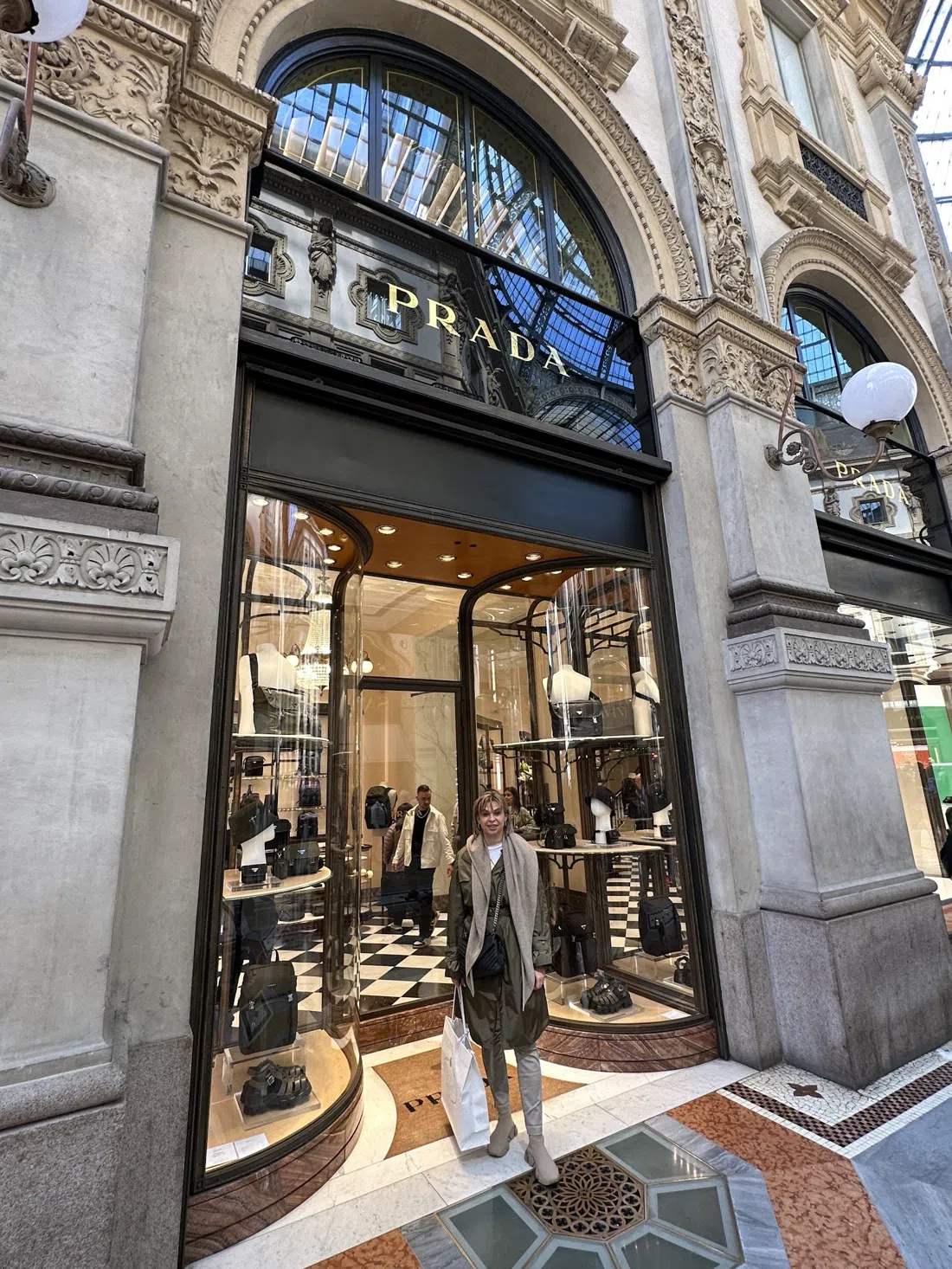
Die Galleria wurde gebaut, um Luxusmieter zu beherbergen, und das tut sie immer noch, aber das Einzelhandelsangebot ist interessanter als eine Reihe von Flagship-Stores. Prada – Galleria 1913 auf der Hauptachse der Passage ist der Ort, an dem die Marke Prada selbst begann – das hier ist das, was einem Schrein der Gründerfamilie am nächsten kommt, und Gruppen sind im Erdgeschoss ohne Termin willkommen; erwarten Sie Luxuslederwaren im €€€€-Segment. Louis Vuitton – Galleria Vittorio Emanuele II, auf der anderen Seite der Passage gegenüberliegend, ist eine der meistfotografierten Schaufassaden des Gebäudes, das moderne Äquivalent der ursprünglichen Luxusmieter des 19. Jahrhunderts; das Stöbern steht allen offen, allerdings sollten größere private Gruppen einen Termin für den persönlichen Einkauf buchen.
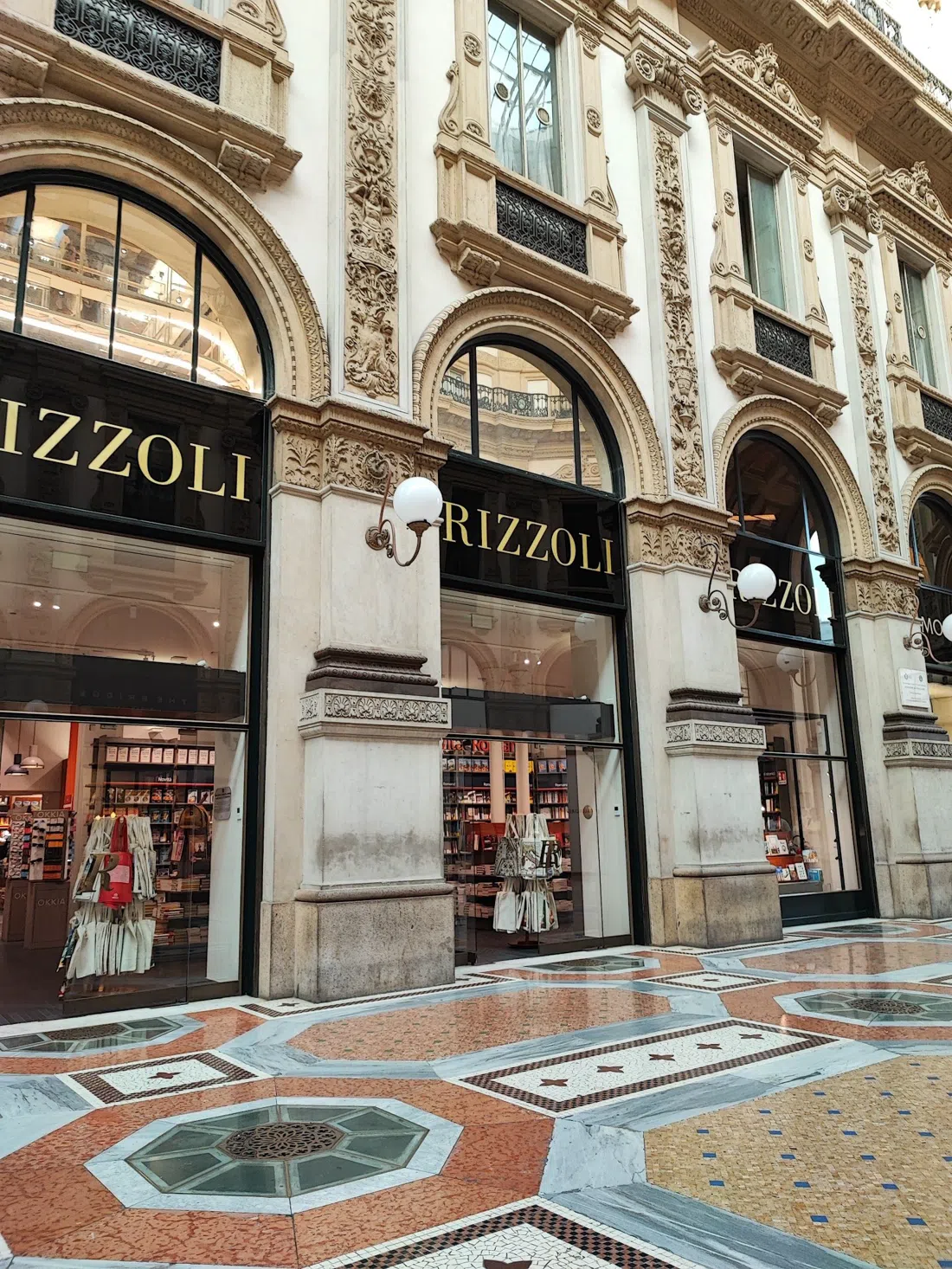
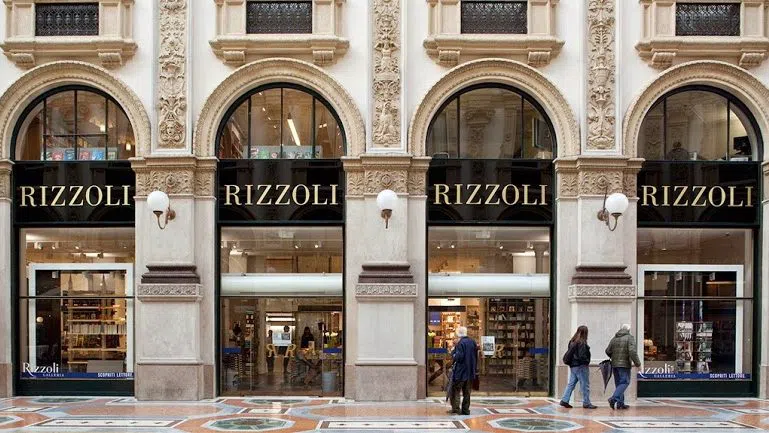
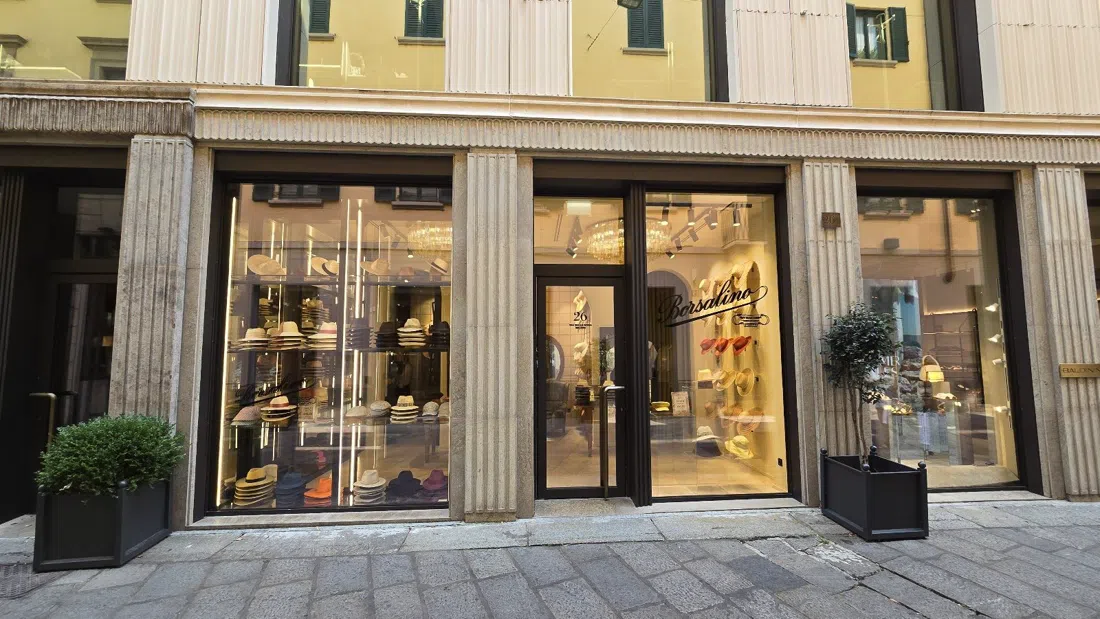
Für etwas, das kein globales Modehaus ist, gehen Sie zu Borsalino, ein kurzes Stück weiter – ein wirklich italienischer Handwerksname seit 1857, der handgefertigte Hüte ab etwa 150–400 € verkauft; kleine Gruppen und lockeres Stöbern sind gleichermaßen in Ordnung. Und für den günstigsten, wenigsten einschüchternden Stopp in der ganzen Passage ist Libreria Rizzoli Galleria offen zum Stöbern ohne Reservierung, Bücher ab etwa 10 € – ihr Pachtvertrag wurde kürzlich um weitere 18 Jahre verlängert, was wichtiger ist, als es klingt: Es ist das klarste Zeichen, dass die Galleria weiterhin einen Nicht-Luxusmieter unterstützt, nicht nur Mode-Flagships, die Passagenmieten zahlen.
Es von oben und von der anderen Bühne sehen
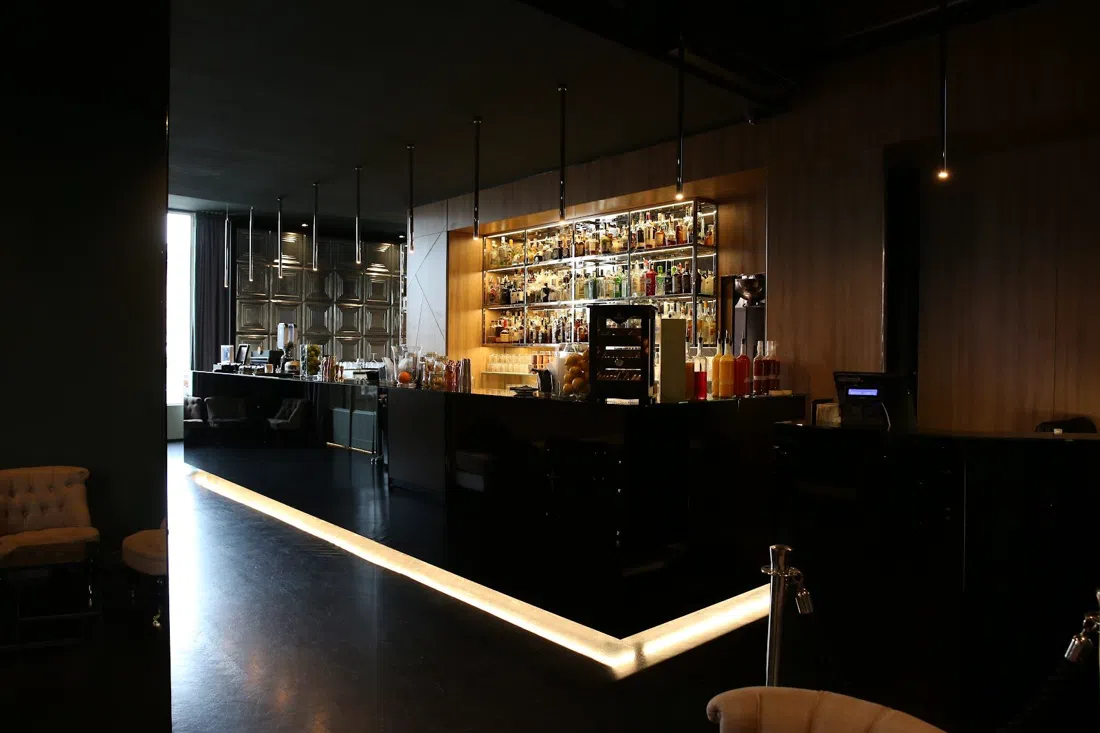
Die Galleria hat zwei „Enden“, und jedes hat seine eigene Art, das Gebäude von außerhalb seiner selbst zu beobachten. Am Dom-Ende, über dem Platz, ist Terrazza Duomo 21 eine Dachbar und ein Restaurant mit der besten erhöhten Aussicht auf die Fassade der Galleria und den Platz, auf den sie öffnet – wirklich der „Bühnen“-Blickwinkel, um den diese ganze Passage herum gebaut ist, von den Kulissen aus gesehen. Sie nimmt Gruppen und private Veranstaltungen problemlos auf; Cocktails 15–20 €, Speisen im €€€-Segment. Gehen Sie zur goldenen Stunde wegen des Lichts auf dem Marmor des Doms, nicht am Mittag.
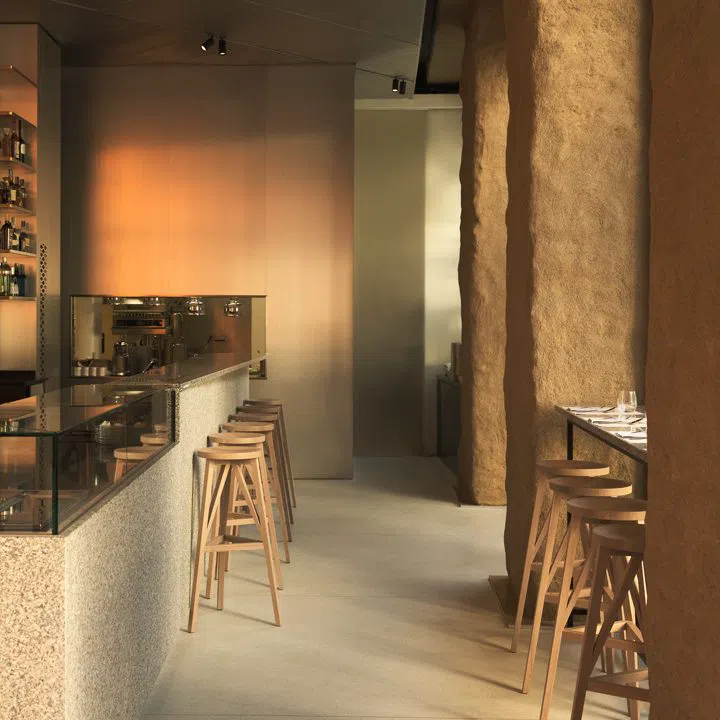
Am gegenüberliegenden Ende, wo die Galleria auf die Piazza della Scala öffnet, markiert das Trussardi Café die andere Bühne des Arkadengangs – buchstäblich dem Opernhaus von Mailand zugewandt. Es ist ein Café und eine Weinbar, geeignet für kleine bis mittlere Gruppen, Aperitivo und leichte Gerichte 15–30 €, und es ist der natürliche letzte Halt, wenn Sie die Galleria vom Dom-Ende aus durchquert haben und vor oder nach einer Aufführung an der Scala auf der anderen Seite des Platzes einen Drink möchten.
Praktische Hinweise
Anreise: Die Galleria liegt direkt zwischen Piazza del Duomo und Piazza della Scala, zwei Gehminuten von der Metrostation Duomo (Linien M1 und M3). Es gibt keinen Grund, Taxi oder Auto zu nehmen – sie ist Fußgängerzone, und jeder Eingang öffnet sich auf einen Platz, den Sie ohnehin sehen möchten.
Bargeld und Karten: Alle hier aufgeführten Lokale akzeptieren Karten; Marchesi 1824 und Camparino arbeiten an der Theke so schnell, dass kontaktloses Bezahlen tatsächlich schneller ist als Bargeld.
Timing: Die Arkade ist vor 9 Uhr am leersten und zwischen 12 und 15 Uhr am vollsten, wenn die Tagestouristen zum Dom strömen. Das Bullenmosaik-Ritual und ein richtiger Blick auf die Decke sind am besten früh am Morgen zu erledigen; die Aperitivo-Zeit von etwa 18 bis 20 Uhr ist die beste Zeit, um die Arkade zu erleben – planen Sie Ihren Besuch danach.
Budget: Ein Kaffee und eine Drehung auf dem Stier kosten nichts außer dem Kaffee; ein ganzer Tag mit einem Gebäck von Marchesi, einem Aperitivo bei Camparino und einem Mittagessen bei Biffi liegt komfortabel unter 80 € pro Person. Wenn Sie Cracos Verkostungsmenü oder ein Abendessen bei Savini hinzufügen, ändert sich diese Zahl schnell – entscheiden Sie, welche Art von Abend Sie wünschen, bevor Sie sich irgendwo in der Nähe des Oktogons niederlassen.
Wenn Sie einen längeren Mailand-Aufenthalt rund um den Dom und die Galleria planen, starten Sie Ihre Hotelsuche für Mailand, um etwas in Laufnähe zur Piazza del Duomo zu finden – das bringt jeden Ort in diesem Beitrag innerhalb von zehn Minuten zu Fuß, inklusive des Morgenrituals.