
Milan
Milan is a city defined by its interior life.
Guests & rooms
The Milan guide
An insider’s read on Milan
MMilan is a city defined by its interior life.
Historically a strategic crossroads of northern Europe, Milan has been shaped by Roman rule, Spanish and Austrian occupations, and its pivotal role as the industrial capital of post-war Italy. This history has left a legacy of architectural layers, from early Christian basilicas to the rationalist monuments of the early 20th century. Unlike other Italian cities defined by antiquity, Milan is fundamentally modern, rebuilt rapidly after wartime bombing with an eye toward the future. Its identity is deeply intertwined with the mid-century design boom, when figures like Gio Ponti and Achille Castiglioni transformed the city into a global capital of style and industrial innovation.

PLATE IMilan, Italy

Guides & ideas
The Milan reading list
Hand-written guides from our editors — itineraries, the best of after dark, where to eat, and what’s genuinely worth your time.
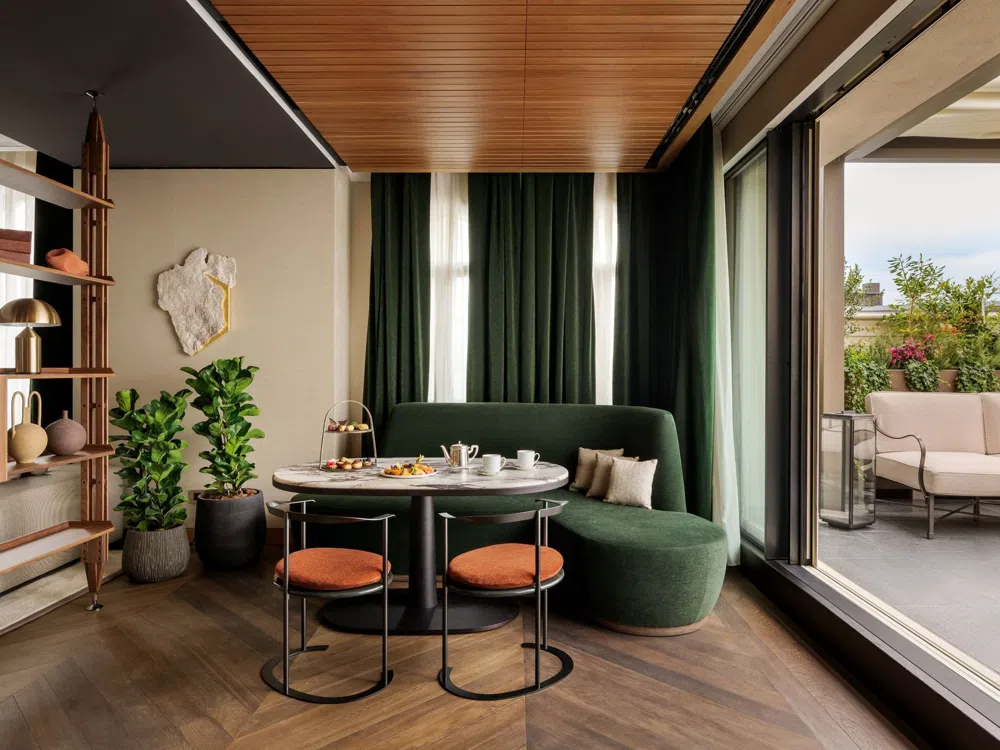
Where to Stay in Milan on Your First Visit
Fifteen hotels and hostels across the Duomo, Brera, Porta Venezia, Centrale and the canals, with walking times, straight group notes and what a night costs at each.
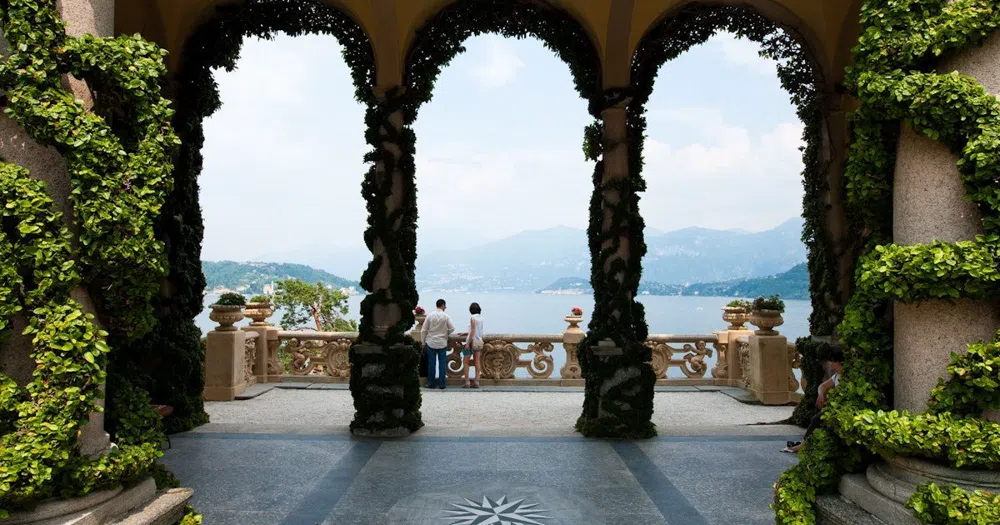
Lake Como and Lake Garda on Day Trips from Milan
How to run both lakes from a single Milan hotel room, with the trains, the ferries, the villas worth crossing for and the days to avoid.
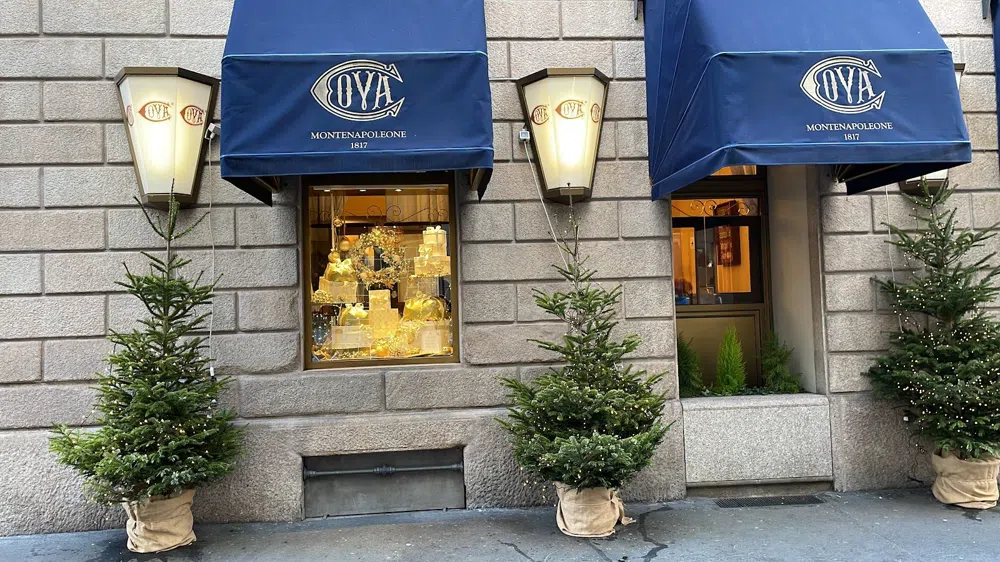
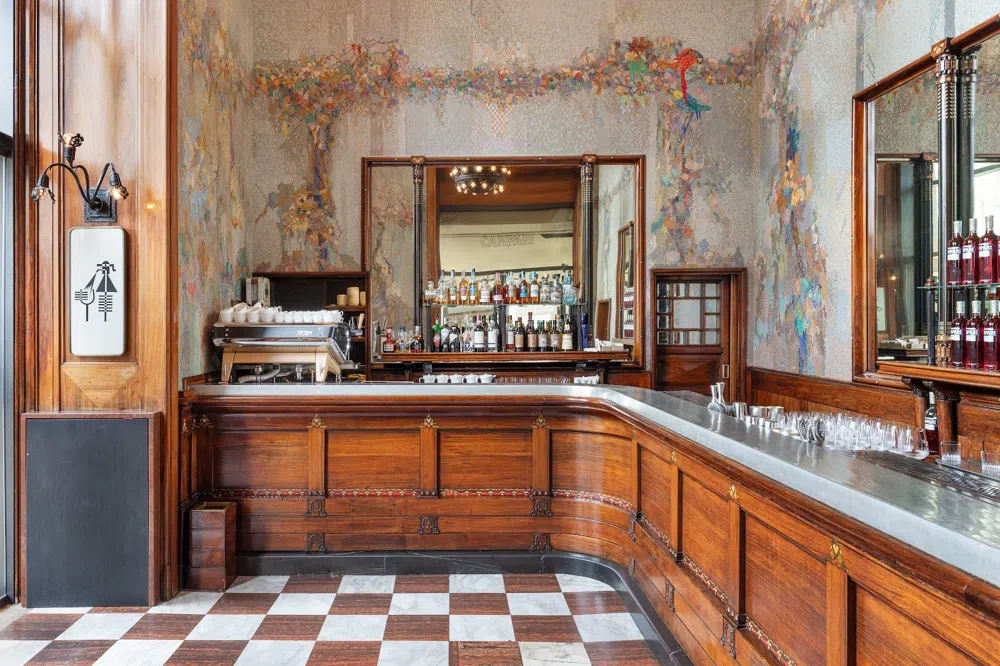
The Ninety-Second Ritual at Milan's Coffee Counters
A trail through Milan's espresso bars, from two-century-old marble counters to the specialty labs doing it differently, with honest notes on doors, groups, and prices.
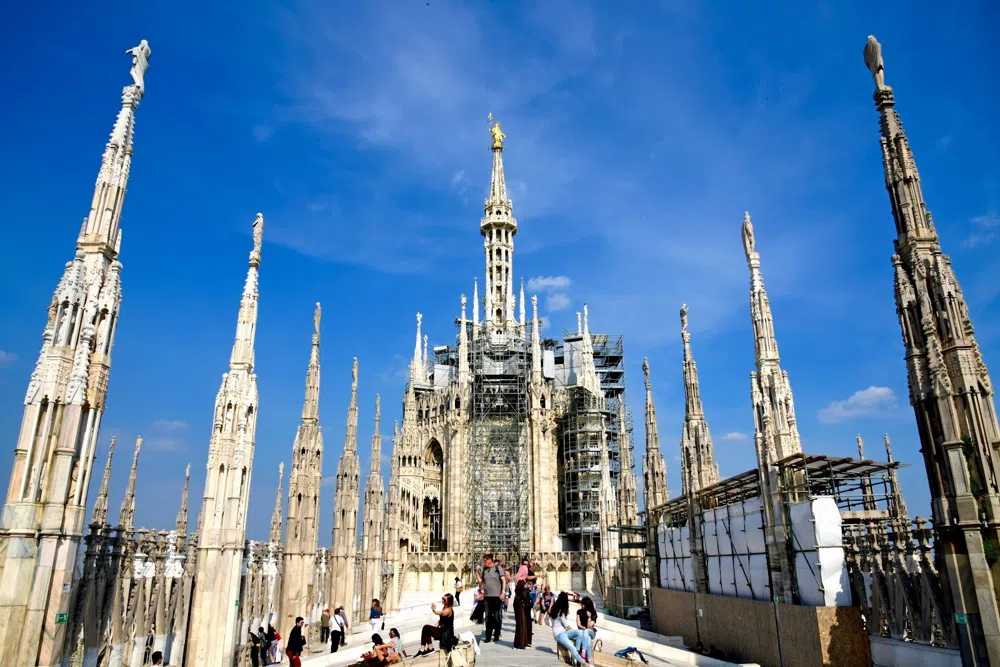
Above the Spires: Milan's Rooftop Season
From the Duomo's marble forest to Porta Nuova's glass towers, Milan's best conversation about itself happens on the roof — here's where to go up, and who each terrace actually suits.
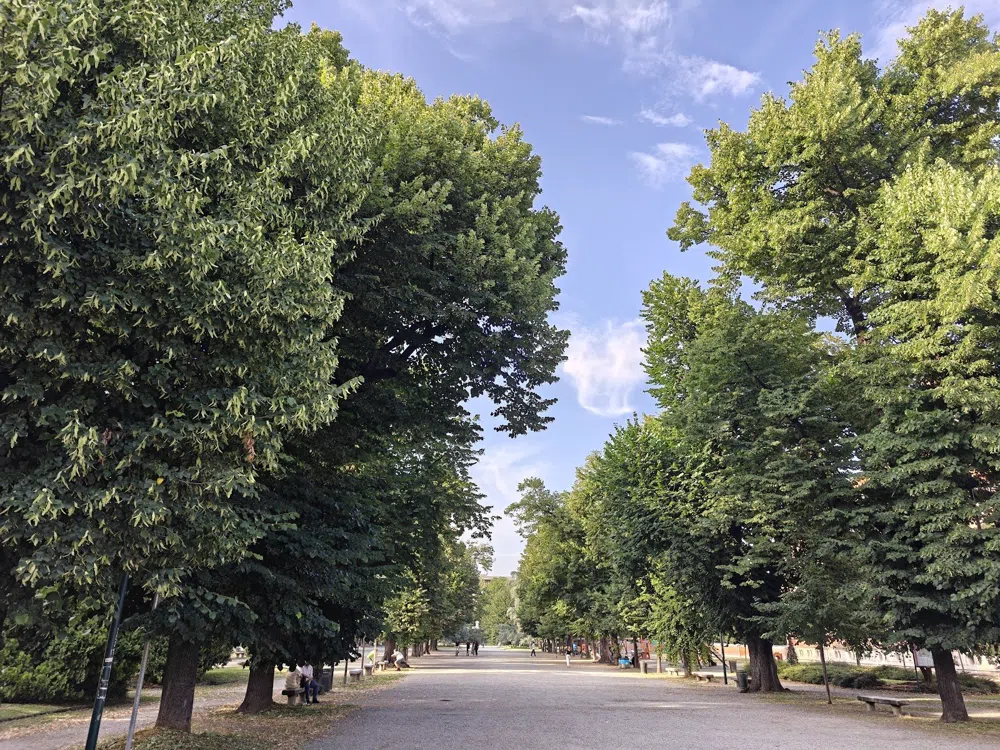
Milan's Autumn Ritual: Parks, Ginkgos, Roast Chestnuts
A walking guide to Milan's parks, hidden gardens and chestnut carts, from the ginkgo avenue at Giardini Pubblici to the artificial hill at Monte Stella, for the six weeks a year the city turns gold.
The Galleria: Where Milan Comes to See and Be Seen
Inside Milan's glass-vaulted crossroads between Piazza del Duomo and La Scala — a working arcade of coffee bars, tailors, and one very lucky bull, not a museum piece to rush through.
Where to base yourself
The neighborhoods
01
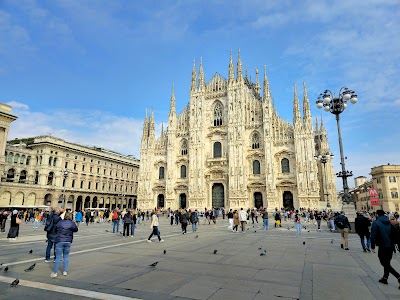
Duomo & Centro Storico
For First-time visitors who want to be within walking distance of major landmarks. The trade-off is high prices, heavy tourist crowds, and a lack of authentic neighborhood life after dark.
The high-energy, commercial core of the city, dominated by the Gothic cathedral and grand 19th-century shopping galleries.
Where to stay — High-end luxury hotels and grand historic properties dominate this area.
02
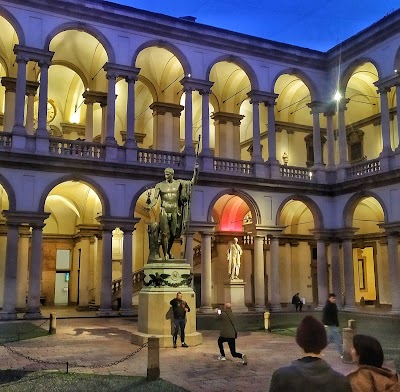
Brera
For Travelers seeking a refined, aesthetic atmosphere. The trade-off is that dining and shopping here carry a premium price tag.
An artistic district characterized by narrow cobblestone streets, mid-century apartments, upscale boutiques, and outdoor cafes.
Where to stay — Chic design hotels and boutique guesthouses.
03
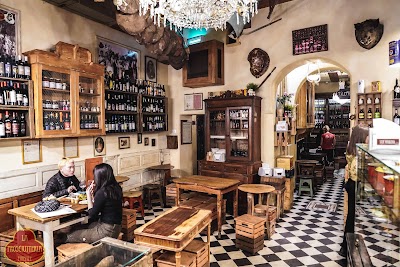
Navigli
For Younger travelers and nightlife enthusiasts. The trade-off is that it gets very noisy at night, and the canals attract mosquitoes during summer.
A canal district defined by its bohemian history, iron bridges, and a high concentration of bars and restaurants.
Where to stay — Trendy apartments, hostels, and budget-friendly guesthouses.
04
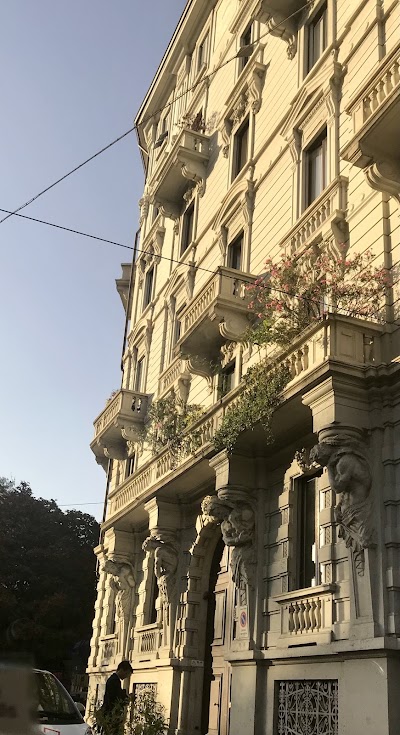
Porta Venezia
For Food lovers and those seeking a cosmopolitan vibe. The trade-off is the heavy traffic along the main thoroughfare of Corso Buenos Aires.
A diverse, leafy neighborhood featuring Liberty-style architecture, a prominent LGBTQ+ scene, and excellent dining options.
Where to stay — Mid-range design hotels and stylish apartment rentals.
05
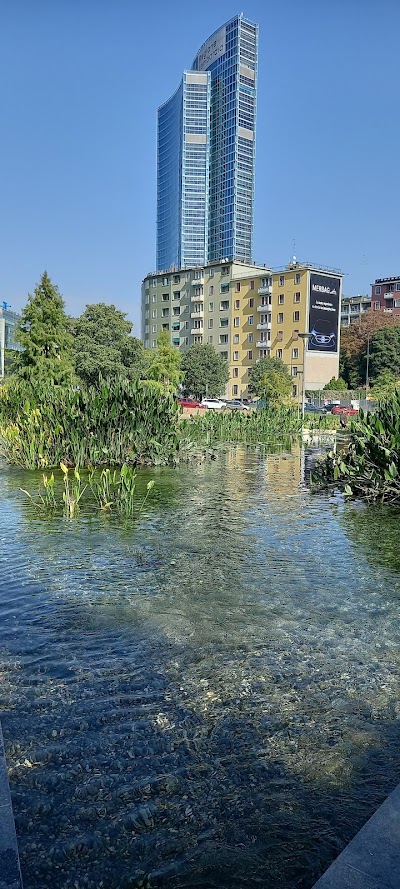
Isola
For Independent travelers looking for a local, community feel. The trade-off is that it is slightly removed from the historic center.
A former working-class enclave that has transformed into a hipster neighborhood filled with street art, independent shops, and local markets.
Where to stay — Modern apartments and contemporary business-boutique hotels.
06
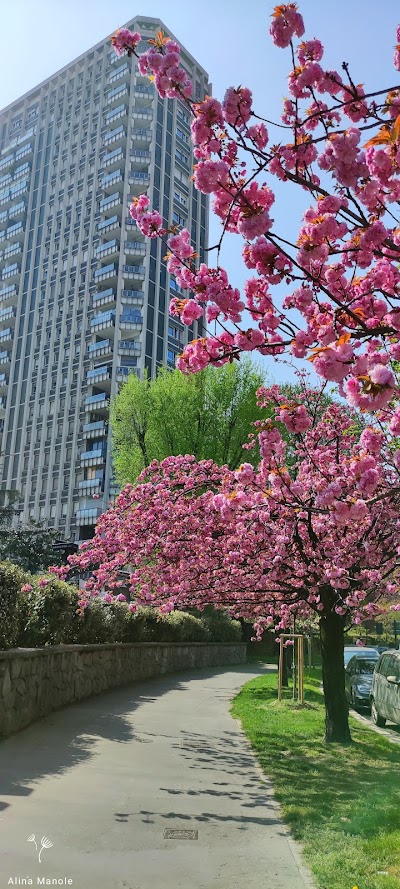
Porta Romana
For Slow travelers and foodies who want a quiet base with top-tier dining. The trade-off is a quieter nightlife scene compared to neighboring Navigli.
An upscale residential neighborhood known for its excellent food scene, thermal baths, and quiet, tree-lined streets.
Where to stay — Residential apartments and classic, unpretentious hotels.
07
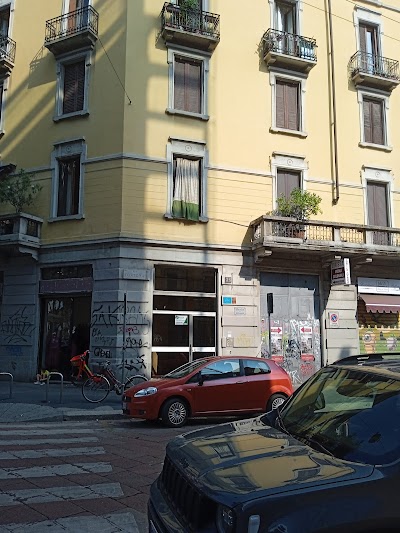
Tortona
For Design professionals and fashion enthusiasts. The trade-off is that the neighborhood can feel quiet and empty outside of major event weeks.
A post-industrial creative hub filled with former factories converted into fashion showrooms, photography studios, and design spaces.
Where to stay — Industrial-chic boutique hotels.
08
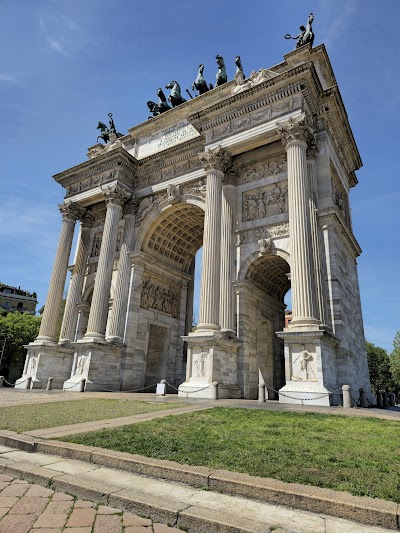
Sempione & Arco della Pace
For Families and travelers who appreciate green space and classical architecture. The trade-off is limited metro access directly at the arch, requiring tram travel.
A stately, green neighborhood centered around the city's largest park and a grand neoclassical triumphal arch.
Where to stay — Classic mid-range hotels and elegant apartments.
09
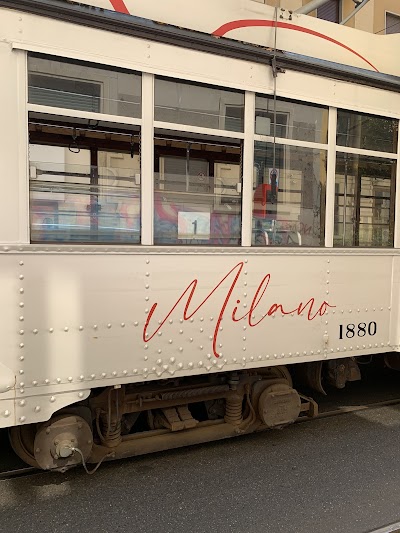
NoLo (North of Loreto)
For Budget-conscious travelers and those interested in grassroots creative scenes. The trade-off is that some streets remain gritty and are still gentrifying.
An emerging, multicultural creative neighborhood with a growing community of artists, designers, and independent galleries.
Where to stay — Budget-friendly rentals and social hostels.
Book direct
Book a hotel in Milan
Loading live availability and real-time prices…
Where to eat
Dining
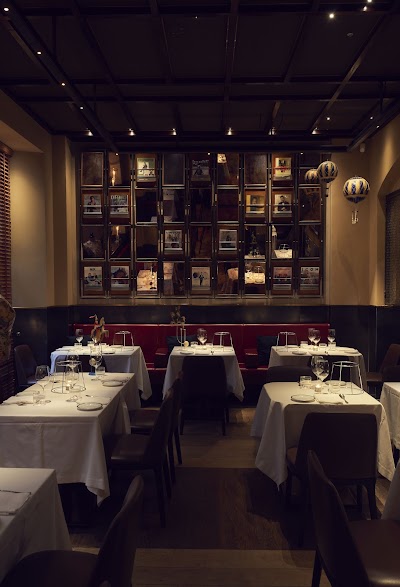
Langosteria
€€€€Tortona
This is the city's premier seafood temple, known for sourcing the finest raw materials and serving them in a sophisticated, dimly lit dining room.
Signature — King crab cooked in oil and lemon.
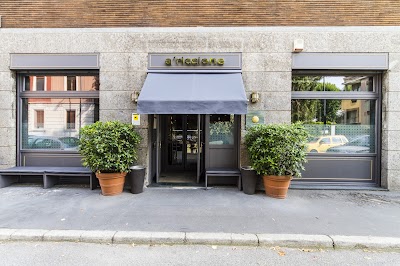
A' Riccione
€€€Stazione Centrale
A historic institution operating since the 1950s, famous for its classic preparation of Mediterranean fish and traditional service.
Signature — Plateau Royal of raw shellfish.
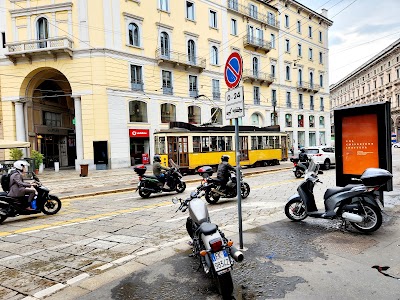
Spadari al Duomo
€€Centro Storico
A high-end fishmonger that doubles as a casual lunch spot, perfect for a quick, premium seafood meal near the cathedral.
Signature — Fritto misto of seasonal seafood.
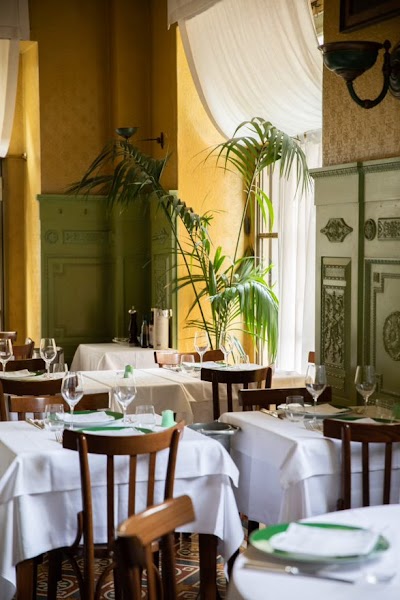
Ristorante Da Giacomo
€€€€Susa
An elegant, wood-paneled dining room designed by Renzo Mongiardino, favored by the fashion elite for its discreet service and classic fish dishes.
Signature — Turbot with wild mushrooms.
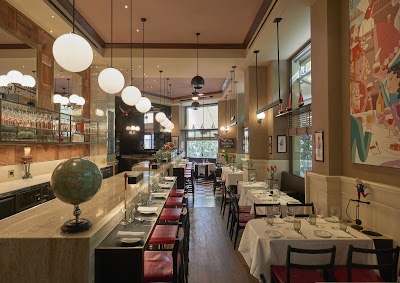
Langosteria Bistrot
€€€Porta Genova
A slightly more relaxed version of the original Langosteria, offering the same high-quality seafood in a lively bistro setting.
Signature — Red shrimp tartare with citrus.
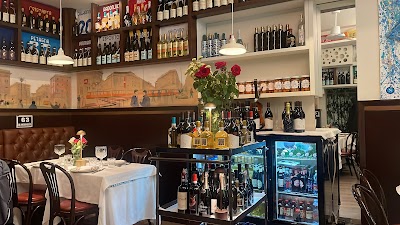
Il Kaimano
€€Brera
A reliable, traditional trattoria in the heart of Brera that specializes in southern Italian seafood preparations.
Signature — Spaghetti alle vongole.
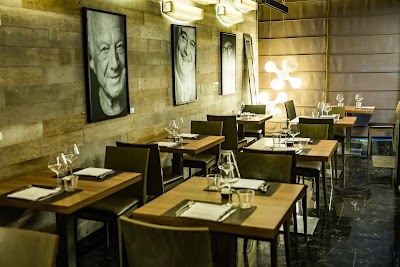
La Griglia di Varrone
€€€€Porta Nuova
A sleek, modern steakhouse utilizing high-tech grilling techniques and sourcing exceptional cuts of Black Angus and Wagyu beef.
Signature — Oak-fired Black Angus ribeye.
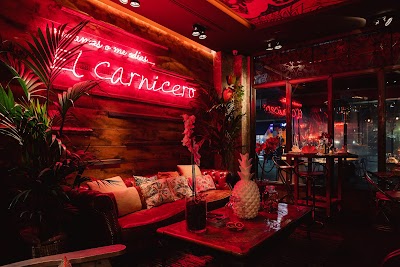
El Carnicero
€€€Porta Romana
An energetic Argentine-style steakhouse with rustic-chic decor, serving perfectly aged South American cuts.
Signature — Entraña (skirt steak) cooked over open flame.
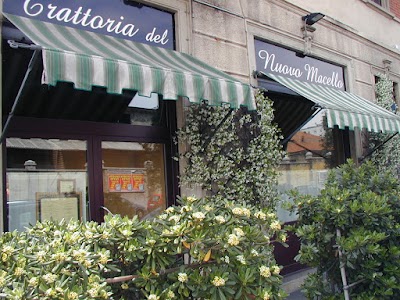
Trattoria del Nuovo Macello
€€€Calvairate
A modernized traditional trattoria that serves what many locals consider the finest, thickest veal cutlet in the city.
Signature — Thick-cut Costoletta alla Milanese, cooked pink.
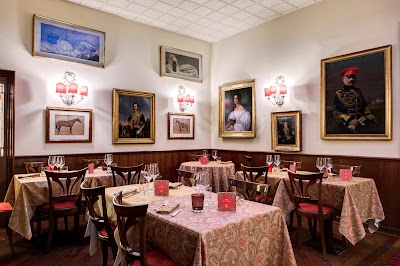
Bice Ristorante
€€€Quadrilatero
An elegant, historic dining room that has served Milan's elite since the 1920s, maintaining impeccable standards for classic meat dishes.
Signature — Traditional thin-pounded Cotoletta alla Milanese.
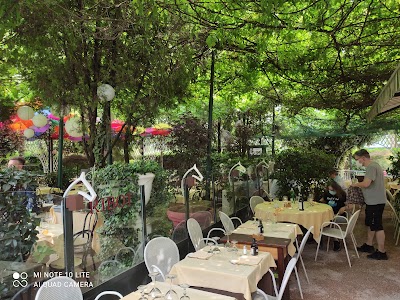
Ribot
€€€San Siro
A Tuscan-style grill house featuring a beautiful summer garden, popular with locals for its robust meat dishes.
Signature — Florentina T-bone steak.
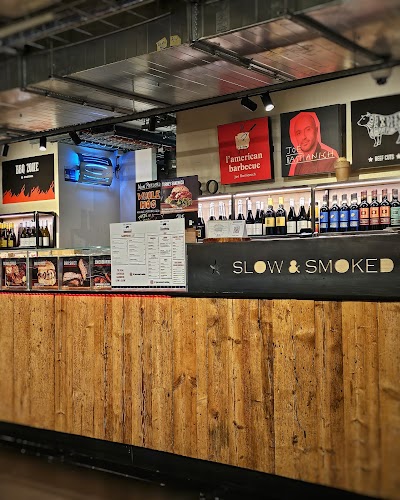
Joe's American BBQ
€€Stazione Centrale
Located inside the Mercato Centrale, this spot offers high-quality, slow-smoked meats prepared with American techniques and Italian raw materials.
Signature — Smoked beef brisket.
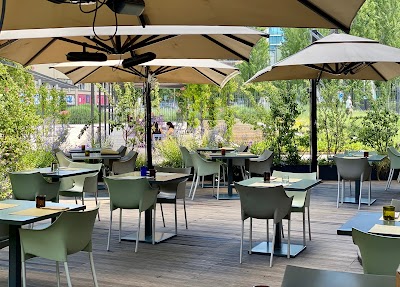
Ratanà
€€€Isola
Chef Cesare Battisti reinterprets traditional Lombard recipes with modern lightness and a strict focus on sustainable, local ingredients.
Signature — Risotto alla Milanese with bone marrow.
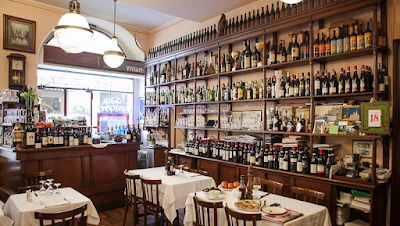
Trattoria Milanese
€€Cinque Vie
Operating since the 1930s, this basement trattoria features shared wooden tables and serves uncompromisingly authentic local classics.
Signature — Risotto alla Milanese with slow-braised Ossobuco.
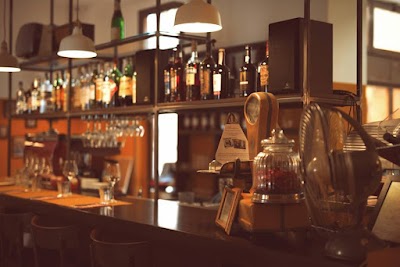
Trippa
€€Porta Romana
A modern trattoria that has achieved legendary status by elevating offal and rustic, forgotten Italian dishes into culinary masterpieces.
Signature — Fried tripe with rosemary.
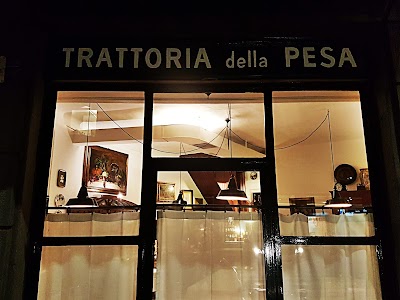
Antica Trattoria della Pesa
€€€Porta Nuova
A historic dining room with tiled floors, majolica stoves, and dark wood furniture, serving rich, traditional Milanese fare.
Signature — Risotto al salto (pan-fried crispy saffron rice).
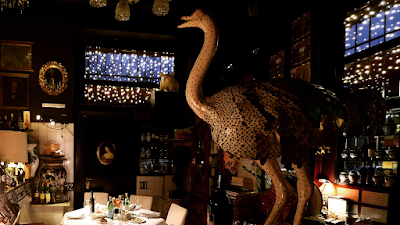
Trattoria Arlati
€€Bicocca
An eclectic, art-filled tavern that has combined traditional Lombard cooking with live music and bohemian culture since the 1930s.
Signature — Risotto with sausage and red wine reduction.
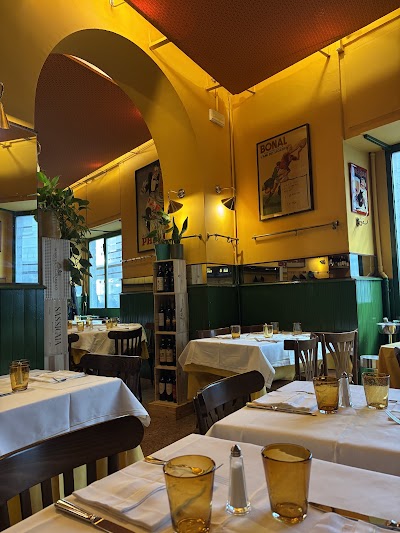
La Libera
€€Brera
A classic bohemian trattoria with dark wood interiors, offering a cozy atmosphere and reliable Milanese comfort food.
Signature — Cotoletta alla Milanese.
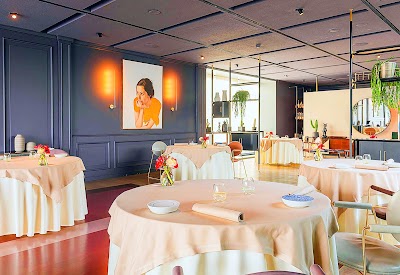
Enrico Bartolini al Mudec
€€€€Tortona
Located inside the Museum of Cultures, this three-Michelin-starred restaurant offers highly intellectual, visually stunning contemporary Italian cuisine.
Signature — Button pasta filled with oil and lime, topped with octopus sauce.
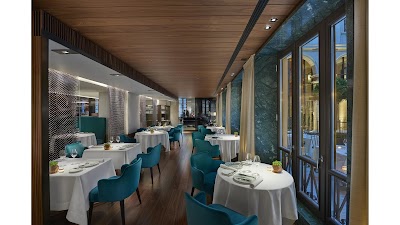
Seta by Antonio Guida
€€€€Brera
Housed in the inner courtyard of the Mandarin Oriental, this two-starred venue offers refined southern Italian flavors elevated by French techniques.
Signature — Roasted blue lobster with zabaglione and potato.
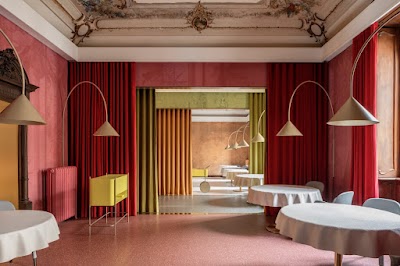
Contraste
€€€€Porta Romana
Chef Matias Perdomo delivers a playful, sensory-defying dining experience where dishes are rarely what they appear to be.
Signature — Cacio e Pepe pasta disguised as a sweet doughnut.
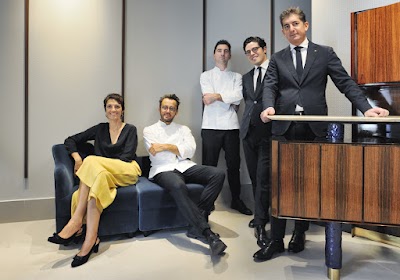
Il Luogo di Aimo e Nadia
€€€€Bande Nere
A legendary culinary destination that has spent decades celebrating the purity of Italian ingredients through refined, contemporary cooking.
Signature — Spaghetti col cipollotto (spring onion spaghetti).
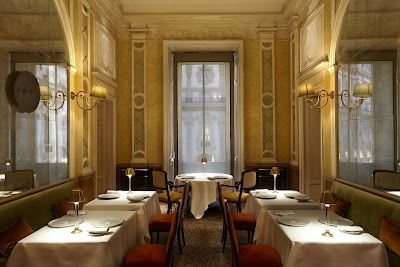
Cracco
€€€€Centro Storico
Chef Carlo Cracco's multi-level restaurant inside the Galleria Vittorio Emanuele II offers high-drama dining in a spectacular, historic setting.
Signature — Marinated egg yolk with seasonal accompaniments.
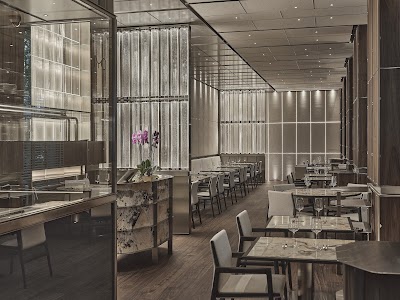
Iyo
€€€Sempione
The first Japanese-influenced restaurant in Italy to receive a Michelin star, blending Japanese precision with Italian ingredients.
Signature — Temaki with Wagyu beef and sea urchin.
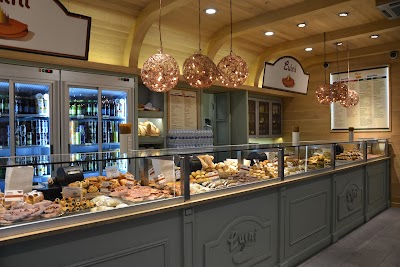
Luini
€Centro Storico
A legendary bakery near the Duomo that has seen long queues since the 1950s for its hot, freshly fried turnovers.
Signature — Panzerotto with tomato and mozzarella.
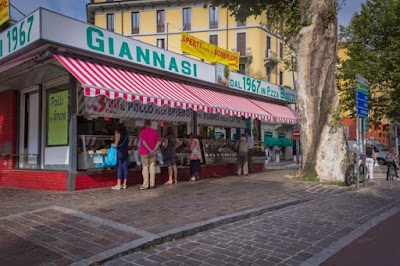
Giannasi 1967
€Porta Romana
A historic, octagonal street kiosk that has served generations of Milanese with cheap, incredibly flavorful rotisserie chicken and fried snacks.
Signature — Pollo allo spiedo (rotisserie chicken).
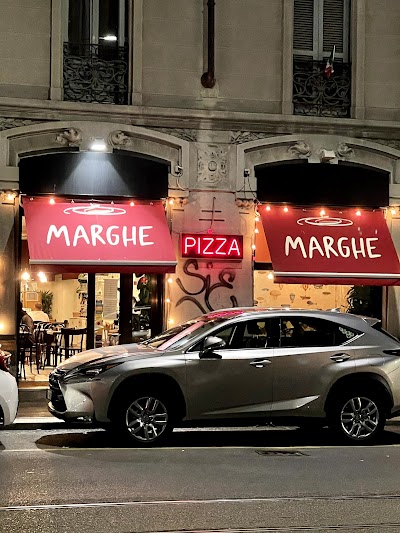
Marghe
€Porta Venezia
An unpretentious pizzeria serving exceptional, light-dough Neapolitan-style pizzas at very reasonable prices.
Signature — Pizza Margherita with buffalo mozzarella and fresh basil.
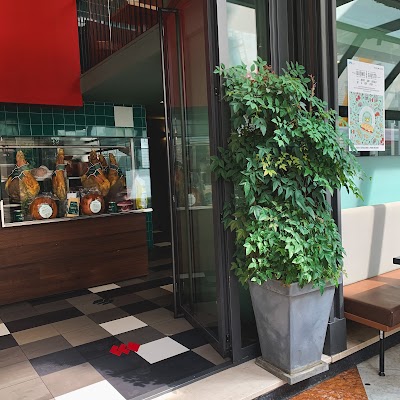
Panino Giusto
€Various locations
A reliable local chain that elevated the humble Italian sandwich into an art form using high-quality cured meats and artisanal bread.
Signature — Tartufo panino with Parma ham, brie, and truffle oil.
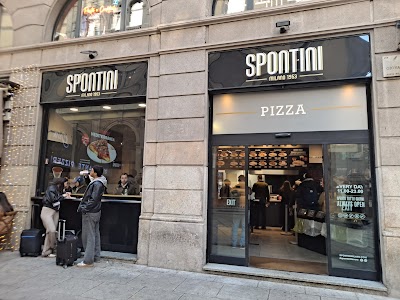
Spontini
€Various locations
A historic local chain famous for its thick, fluffy, deep-dish pizza slices topped with abundant melted mozzarella.
Signature — Classic Margherita slice.
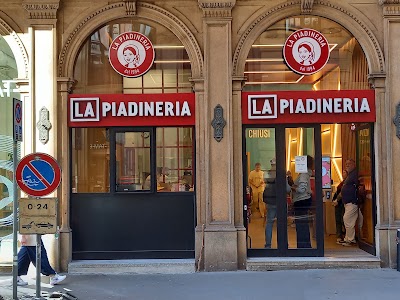
La Piadineria
€Various locations
A fast-casual spot serving freshly rolled and griddled flatbreads from the Emilia-Romagna region, filled with premium ingredients.
Signature — Piadina with prosciutto crudo, squacquerone cheese, and rocket.
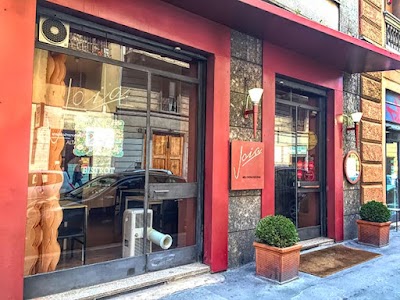
Joia
€€€€Porta Venezia
Chef Pietro Leemann's Michelin-starred restaurant is a temple of vegetarian fine dining, offering artistic, Zen-inspired plates.
Signature — Under a Colored Umbrella (a seasonal, multi-textured vegetable composition).
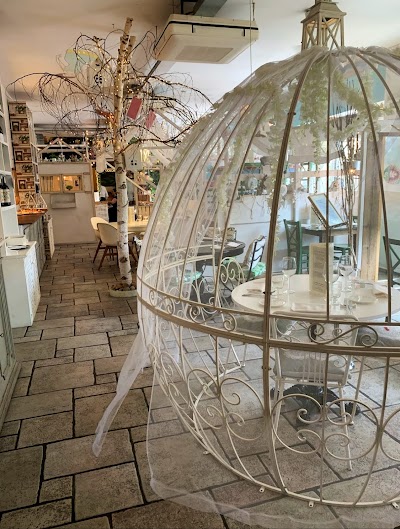
Capra e Cavoli
€€Isola
A garden-like restaurant offering creative vegetarian and vegan dishes in a whimsical, plant-filled dining room.
Signature — Vegan carbonara made with smoked tofu and saffron cream.
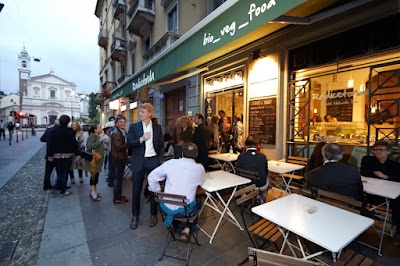
Radicetonda
€Porta Venezia
A casual, eco-friendly cafe serving organic, plant-based soups, wraps, and burgers in a minimalist setting.
Signature — Seitan burger with house-made vegan mayonnaise.
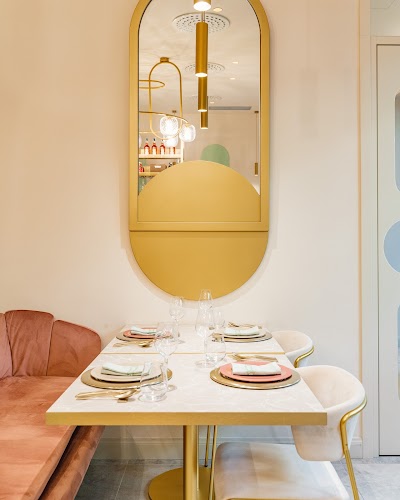
Linfa
€€Tortona
A stylish, plant-based fine dining restaurant focusing on sustainable ingredients and innovative presentation.
Signature — Vegan sushi rolls featuring plant-based caviar.
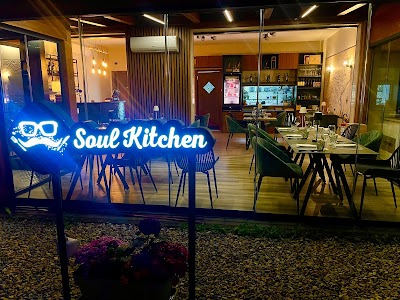
Soul Kitchen
€€Porta Romana
A creative vegan bistro offering a diverse menu of raw and cooked dishes made with seasonal ingredients.
Signature — Raw zucchini lasagna with cashew cheese.
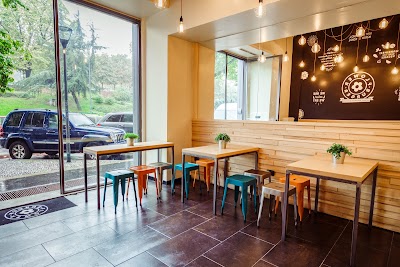
Flower Burger
€Porta Venezia
A vibrant, fast-casual joint serving colorful, 100% plant-based burgers with buns colored naturally using turmeric, spirulina, and beetroot.
Signature — Cherry Bomb burger with a pink beetroot bun and lentil patty.
After dark
Nightlife
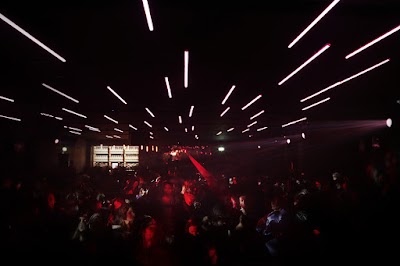
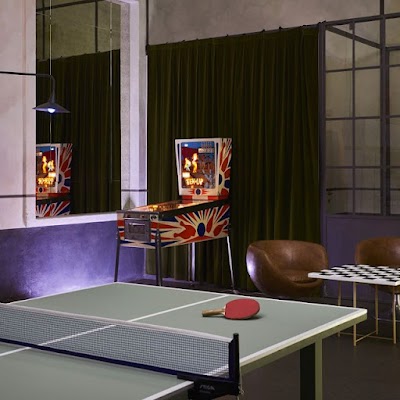
Volt
Ticinese
A minimalist, dark club featuring a world-class sound system and a curated lineup of international house and techno DJs.
Apollo Milano
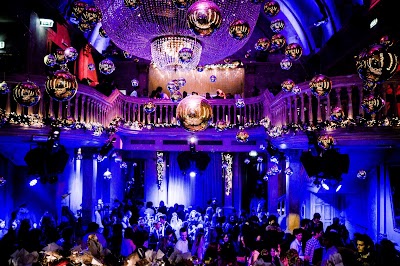
Navigli
A multi-room creative space that hosts indie concerts, club nights, and cultural events in a retro-chic setting.
Gattopardo
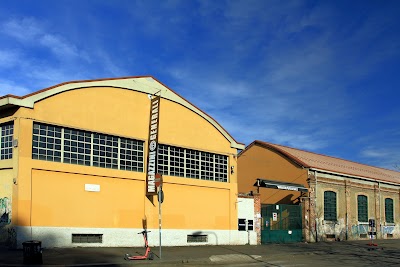
Sempione
A dramatic club and event space set inside a deconsecrated church, complete with marble columns and a massive crystal chandelier.
Magazzini Generali
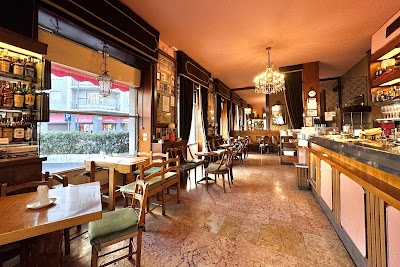
Porta Romana
A large, industrial-scale warehouse venue hosting major international concert acts and student-friendly club nights.
Bar Basso
Città Studi
The historic neighborhood bar where the Negroni Sbagliato (made with prosecco instead of gin) was accidentally invented.
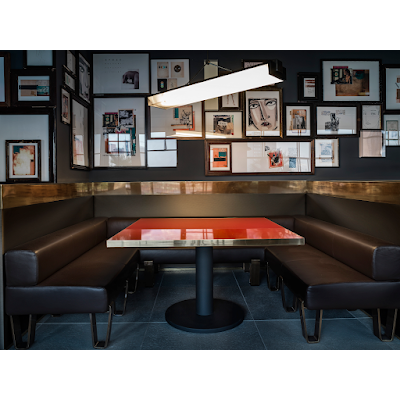
Ceresio 7
Porta Nuova
A sleek rooftop bar featuring two swimming pools and panoramic views of the modern Porta Nuova skyline.
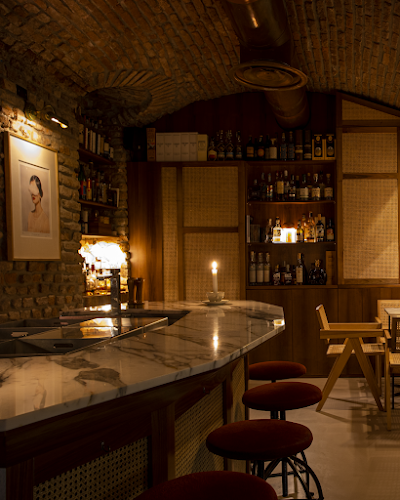
1930
Secret Location
An exclusive, invite-only speakeasy hidden behind a mundane storefront, offering some of the city's most creative mixology.
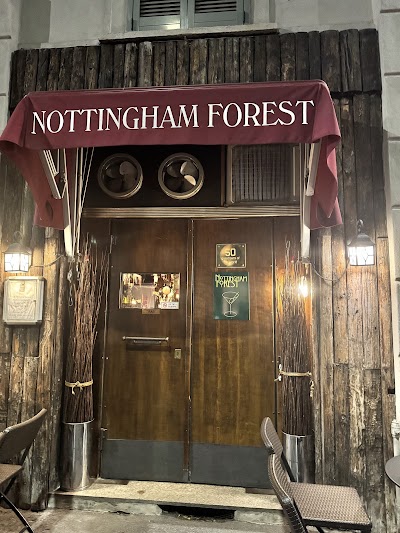
Nottingham Forest
Porta Venezia
A tiny, legendary bar known for its eccentric, molecular cocktails served in bizarre vessels like seashells and syringes.
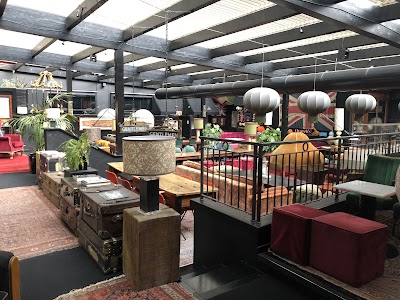
The Doping Bar
Navigli
Located inside the Yard Hotel, this bar is styled like an old English gentleman's club and serves exceptional bespoke cocktails.
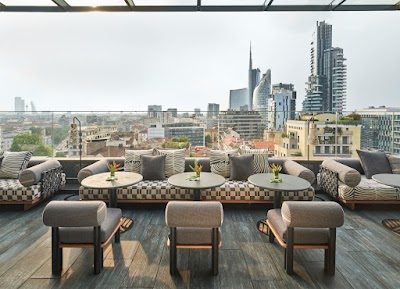
Radio Rooftop Bar
Porta Nuova
Perched atop the ME Milan Il Duca hotel, offering high-energy vibes and sweeping views of the city's modern architecture.
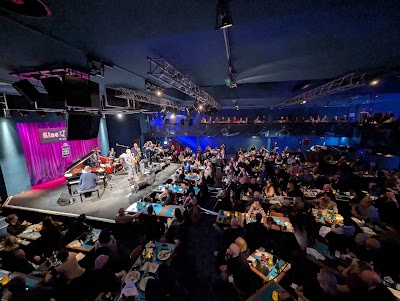
Blue Note
Isola
The Milanese outpost of the famous New York jazz venue, hosting world-class international jazz, soul, and blues artists.
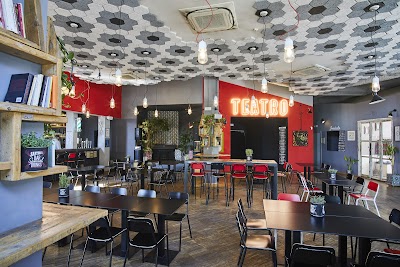
Santeria Toscana 31
Porta Romana
A large cultural center featuring a courtyard, bar, and a performance hall hosting indie bands and electronic acts.
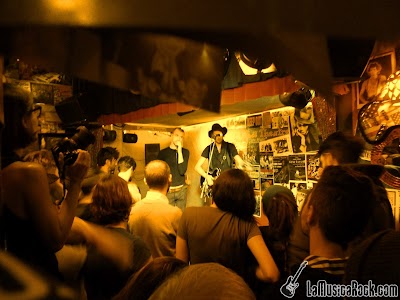
Nidaba Theatre
Navigli
A tiny, passionate venue that has hosted live blues, soul, and rock performances for decades.
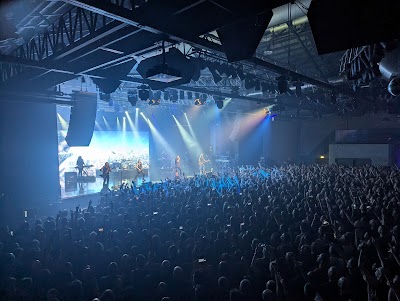
Alcatraz
Maciachini
A massive warehouse venue that hosts large-scale rock concerts, tribute bands, and themed dance parties.
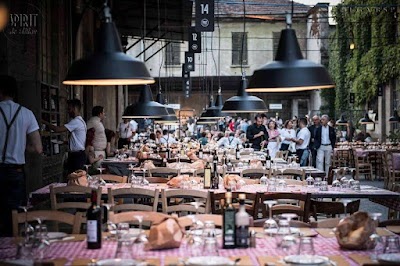
Spirit de Milan
Bovisa
Set inside a beautifully restored former glass factory, this venue is famous for swing dancing nights and traditional Milanese folk music.
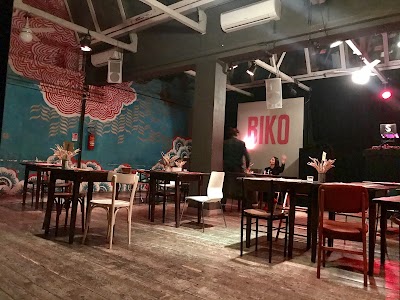
Biko
Porta Romana
An underground cultural association and club focusing on hip-hop, soul, funk, and reggae live acts.
Art & history
Culture
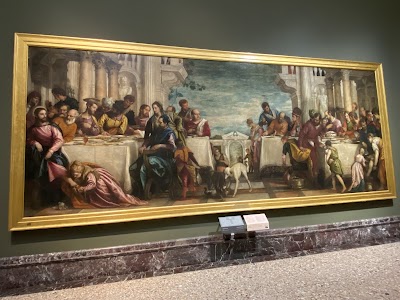
Pinacoteca di Brera
Brera
One of Italy's premier art galleries, housing a world-class collection of Renaissance masterpieces by Raphael, Caravaggio, and Piero della Francesca.
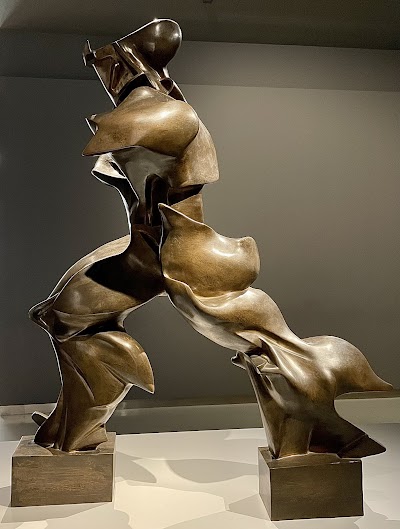
Museo del Novecento
Duomo
Dedicated to 20th-century Italian art, featuring an exceptional collection of Futurist works and offering a spectacular view of the Duomo from its top floor.
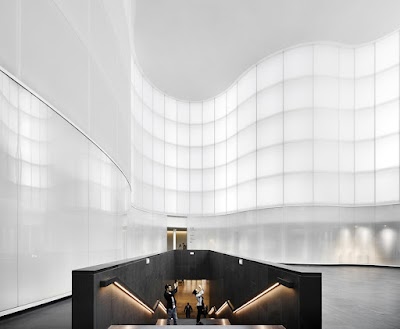
MUDEC (Museo delle Culture)
Tortona
An anthropological and art museum housed in a striking, light-filled industrial conversion designed by David Chipperfield.
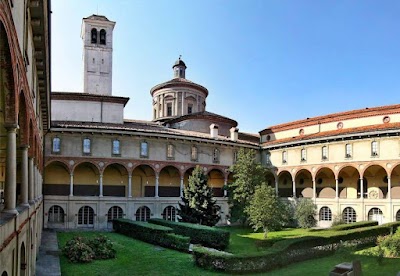
Museo Nazionale Scienza e Tecnologia Leonardo da Vinci
Sant'Ambrogio
Housed in a 16th-century monastery, this is Italy's largest science museum, featuring a gallery dedicated to wooden models of Leonardo's inventions.
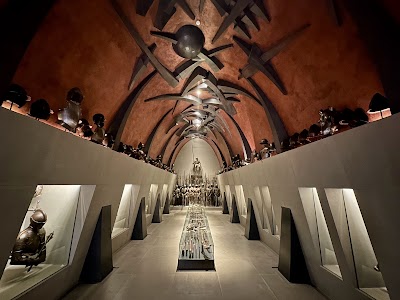
Poldi Pezzoli Museum
Centro Storico
An elegant house-museum showcasing the private collection of a 19th-century nobleman, including works by Botticelli and Bellini.
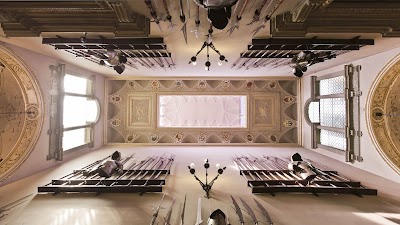
Museo Bagatti Valsecchi
Quadrilatero
A late 19th-century historic mansion styled as a Renaissance palace, preserved exactly as its aristocratic owners left it.
Duomo di Milano
Duomo
The city's iconic Gothic cathedral, constructed over six centuries and decorated with thousands of spires and statues.
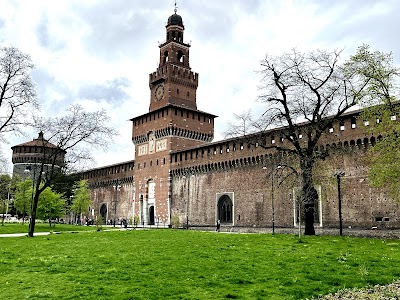
Castello Sforzesco
Sempione
A massive 15th-century fortress that houses several specialized civic museums, including Michelangelo's unfinished Pietà Rondanini.
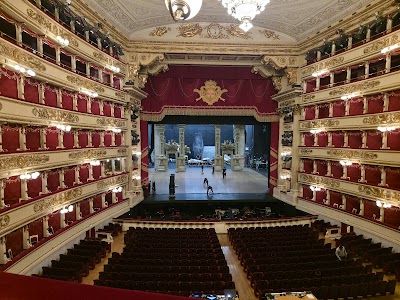
Teatro alla Scala
Centro Storico
One of the world's most prestigious opera houses, operating since 1778.
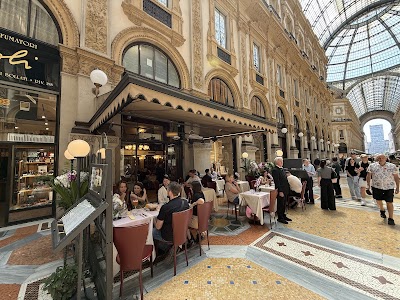
Galleria Vittorio Emanuele II
Duomo
A spectacular 19th-century glass-vaulted shopping arcade connecting the Duomo to La Scala.
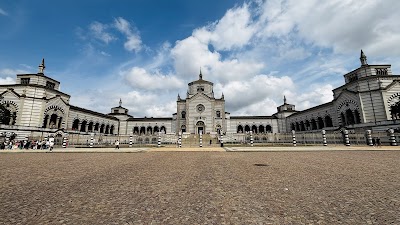
Cimitero Monumentale
Porta Volta
An extraordinary open-air museum of elaborate tombs, sculptures, and neoclassical temples built by Milan's wealthy families.
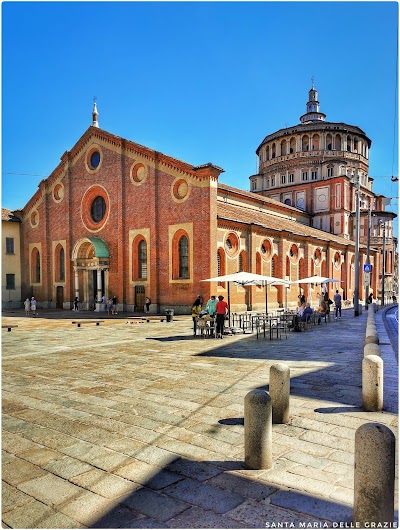
Santa Maria delle Grazie
Magenta
The Renaissance church and convent housing Leonardo da Vinci's mural masterpiece, The Last Supper.
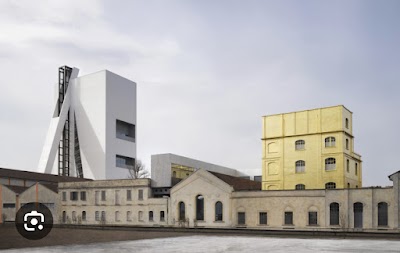
Fondazione Prada
Porta Romana
A contemporary art complex designed by OMA, combining industrial distillery buildings with a gold-leaf tower and hosting challenging modern art installations.
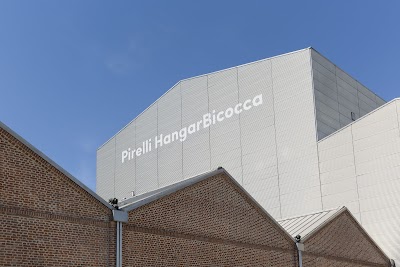
Pirelli HangarBicocca
Bicocca
A massive former locomotive factory hosting monumental contemporary art installations, including Anselm Kiefer's permanent Seven Heavenly Palaces.
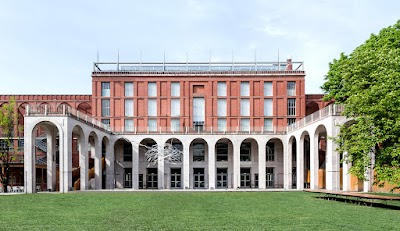
Triennale di Milano
Sempione
Located inside the Palazzo dell'Arte, this museum is dedicated to Italian design, architecture, and contemporary visual arts.
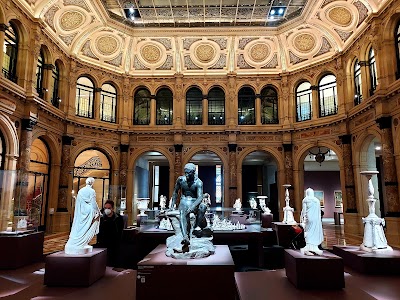
Gallerie d'Italia
Duomo
Housed in three historic palaces opposite La Scala, this gallery showcases 19th and 20th-century Italian art in grand, stuccoed rooms.
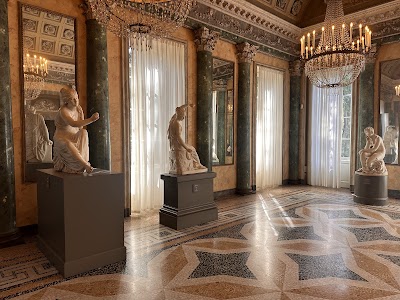
Galleria d'Arte Moderna (GAM)
Porta Venezia
A neoclassical villa housing an impressive collection of 19th-century European and Italian art, surrounded by English-style gardens.
Book ahead
Top-rated experiences in Milan

taxi / transfer service to and from airports
from $260

Milan Private Tour - Duomo, Sforza Castle & Gelato Tasting
from $289

From Milan/Como/Varenna: Panoramic Hiking Tours near Lake Como
from $210

From Lake Como or Milan: Bernina Red Train Tour
from $909

Intensive Italian Language Course in Milan
from $360

Milan Photoshoot with the Cathedral
from $58

MILAN: Private Golf-Cart Experience
from $343

Colosseum Arena, Forum, Palatine | Early Morning Private Tour
from $173
Prices from Viator; we may earn a commission when you book — at no extra cost to you. Tours are sold and operated by Viator, the merchant of record. Ratings are collected by Viator and Tripadvisor.
Timing
When to visit
Spring
April to June brings mild temperatures and major events like the Salone del Mobile (Design Week), though accommodation prices spike significantly during these weeks.
Summer
July and August are hot, humid, and prone to mosquitoes. Many local businesses close for several weeks in August, leaving the city quiet and empty.
Autumn
September and October are ideal for travel, featuring crisp air, autumn foliage in the parks, and the energy of the autumn Fashion Week.
Winter
November to March is cold, foggy, and grey, but offers the chance to experience the opera season at La Scala and crowd-free museums.
What it costs
Budgeting
Logistics
Getting around
From the airport
Malpensa Airport is connected to the city center by the Malpensa Express train, which runs to Cadorna and Centrale stations (€€). Linate Airport, located close to the center, is directly accessible via the M4 metro line (€). Orio al Serio Airport near Bergamo is served by frequent express shuttle buses (€).
Public transit
The ATM network consists of four metro lines, an extensive tram network, and numerous bus routes. It is highly efficient, clean, and easy to navigate. Contactless payment is accepted directly at the turnstiles and on board.
Passes & tickets
Standard single tickets are valid for 90 minutes. For multiple journeys, 24-hour or three-day transit passes offer unlimited travel across the network (€ band).
On foot
The historic center, Brera, and the Quadrilatero are highly walkable. However, traveling between outer neighborhoods like Isola and Navigli requires using the metro or tram network to save time.
Travel smart
Safety & etiquette
Local etiquette
- •Dress well; locals place high value on personal presentation (bella figura).
- •Always cover your shoulders and knees when entering churches, including the Duomo.
- •Tipping is not mandatory; a small service charge (coperto) is usually included on the bill, but rounding up the bill for exceptional service is appreciated.
From the ground
Practical tips
1
Book tickets for Leonardo da Vinci's The Last Supper exactly when they are released online, typically 2-3 months in advance.
2
Use contactless payment directly at metro turnstiles instead of queuing at ticket machines.
3
Avoid eating in the immediate vicinity of the Duomo; walk ten minutes away to find authentic, fairly priced food.
4
Drink your espresso standing at the bar; sitting down at a table often incurs a significant service surcharge.
5
Many civic museums offer free entry on the first Sunday of the month, though crowds will be larger.
6
Carry a reusable water bottle and fill it up at the historic cast-iron dragon fountains (vedovelle) across the city.
7
When using taxis, only use official white taxis from designated stands or use apps like FreeNow; never accept rides from unmarked cars.
Milan FAQs
Is it possible to see The Last Supper without booking months in advance?
Yes, but it requires booking a guided tour through a third-party agency or checking the official website frequently for last-minute cancellations.
What is the 'coperto' charge on my restaurant bill?
The coperto is a standard cover charge per person (usually €2-€4) that covers bread, olive oil, and table settings.
Can I get by with English in Milan?
Yes, English is widely spoken in hotels, restaurants, and shops, though learning basic Italian greetings is highly appreciated.
Is tap water safe to drink in Milan?
Yes, tap water is safe and of high quality. You can also refill bottles at the historic cast-iron dragon fountains (vedovelle) throughout the city.
When do the official shopping sales take place?
The official sales (saldi) occur twice a year: winter sales begin in early January, and summer sales begin in early July.